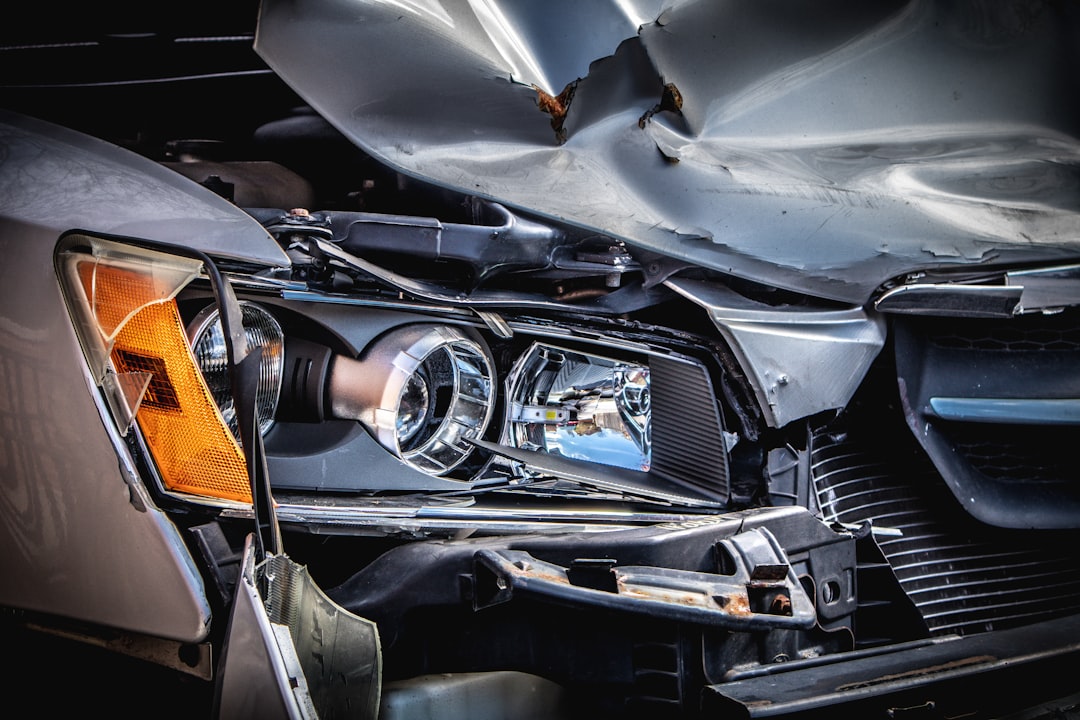
A car accident is stressful enough without being blindsided by a repair bill that seems disconnected from what actually happened to your vehicle. Accident repair costs in South Africa vary enormously depending on the severity of the damage, the make and model of the vehicle, whether original parts or aftermarket parts are used, and whether the work is done through your insurer or paid out of pocket. Understanding what accident repairs should realistically cost gives you the ability to evaluate quotes, make informed decisions about insurance claims, and avoid the most common ways money gets lost in the panel beating process.
This guide covers what car accident repairs should cost in South Africa in 2026, the factors that drive costs up significantly, how insurance claims affect the equation, and what to look for when choosing where your car gets repaired.
Minor Damage — Scratches, Dents, and Small Panel Work
Minor accident damage covers the most common outcomes of low-speed impacts, parking lot scrapes, and hail events. A single panel with scratches and light paint damage (no dent): R1,500–R3,500 to repair and respray, depending on the panel size and whether blending into adjacent panels is needed to match the colour. A small to medium dent with paint damage on a single panel (bumper, door, quarter panel): R2,500–R6,000. A bumper replacement (new bumper shell, painted and fitted): R3,500–R8,000 depending on the vehicle — luxury vehicles with adaptive cruise radars, parking sensors, and complex bumper shapes cost significantly more.
Paintless dent repair (PDR) is an option for dents where the paint is not broken. A trained PDR technician can remove many minor dents without painting, at R500–R2,500 per dent. Hail damage repairs are commonly done via PDR — a vehicle with moderate hail damage across multiple panels can be repaired for R8,000–R20,000 via PDR versus R20,000–R60,000 via conventional panel and paint repair. PDR is not suitable for dents with cracked paint, sharp creases, or damage near panel edges.
Moderate Damage — Multi-Panel Repairs
Moderate accident damage involves multiple panels, structural components, or significant paint work. A rear-end impact affecting the boot lid, rear bumper, and both rear quarter panels: R15,000–R35,000. A front impact with bonnet damage, front bumper, radiator support, and lighting: R20,000–R50,000. Side impact (door damage on two panels plus structural sill): R15,000–R30,000.
These ranges assume a mass-market vehicle (Toyota, VW, Ford, Hyundai) with reasonable parts availability. European premium vehicles (BMW, Mercedes, Audi) and luxury Japanese brands (Lexus, Land Rover) cost 40–80% more for equivalent work because parts are more expensive, parts lead times are longer (increasing workshop time), and the paint matching and process standards required by these manufacturers are more demanding.
Airbag deployment adds significant cost to any accident repair — typically R8,000–R25,000 per airbag (part only), plus labour. A vehicle where airbags deployed in a moderate accident will often have a repair bill that exceeds market value, prompting an insurer to write the vehicle off rather than repair it.
Structural Damage and Write-offs
A vehicle is considered a write-off (or total loss) when the cost of repair exceeds 70–80% of the vehicle's market value, depending on the insurer's policy. This threshold exists because the post-repair value of a structurally repaired vehicle is lower than its pre-accident value — a repaired vehicle with accident history is worth less in the used car market, and insurers account for this. You may disagree with an insurer's write-off decision, and you have the right to dispute it — get an independent valuation from an Automobile Association (AA) assessor or a registered motor assessor if you believe the vehicle can be repaired for a lower figure than the insurer is using.
Structural repairs — where the chassis, firewall, or safety cage has been deformed — require a structural assessment and, in some cases, a roadworthiness test before the vehicle is legally permitted back on the road. Ask specifically whether any structural component has been damaged, and insist on a structural assessment from the panel beater before authorising any structural repair work.
Original Parts vs. Aftermarket Parts
Original Equipment Manufacturer (OEM) parts are made by or for the vehicle manufacturer and are identical to the parts fitted at the factory. Aftermarket parts are made by third parties and are generally cheaper — sometimes significantly so. The quality of aftermarket parts varies from near-identical to noticeably inferior. For structural components and safety systems, OEM parts are the correct choice and many insurers specify OEM for these. For cosmetic parts — bumper shells, bonnet skins, door mirrors — reputable aftermarket parts are often acceptable and cost 30–60% less than OEM.
Ask your panel beater what parts they plan to use and why. A quote using OEM parts will cost more than one using aftermarket parts — this is a legitimate price difference, not a margin issue. If your insurer has a policy requiring OEM parts for newer vehicles, ensure the authorised repairer is complying. If you are paying out of pocket, make an informed decision about the trade-off between parts cost and quality.
Insurer-Preferred Repairers vs. Your Own Choice
Most South African insurers have networks of preferred or approved repairers. Using an insurer-preferred repairer typically streamlines the claims process — the insurer deals directly with the repairer, and you do not receive or pay the repair bill yourself. The repairer also provides a guarantee on the work, backed by the insurer.
You are legally entitled to choose your own repairer in South Africa, although using a non-network repairer may mean a more complex claims process and potentially a cash settlement rather than direct repair. If you have a preferred panel beater you trust, discuss the process with your insurer before authorising work — some insurers will agree to a preferred repairer inspection and authorisation; others will not accommodate this and will only work with network repairers.
For out-of-pocket repairs (no insurance claim), the choice of repairer is entirely yours. Get at least two written quotes, ask about parts quality, and check reviews before authorising work.
Quick Checklist Before Authorising Accident Repairs
- Document all damage with photographs before handing the vehicle over for repair
- Get a written, itemised quote — parts and labour listed separately
- Ask whether OEM or aftermarket parts will be used and confirm your preference
- For insurer claims: confirm the excess amount and how it is collected before work starts
- Ask whether any structural damage is present and insist on a structural assessment if so
- Confirm the repair guarantee period — most professional panel beaters offer three to five years on paint and bodywork
- Check reviews of the panel beater before authorising work — specifically look for reviews about paint quality and colour matching
- For out-of-pocket work: get at least two quotes and compare parts specifications, not just total price
Accident repair is one of the few consumer service areas where the quality of the work is genuinely invisible until months later — poor paint adhesion, inadequate structural repair, or non-matching colour become apparent in time, not immediately. Read reviews on KiesSlim before choosing a panel beater, and pay particular attention to reviews that comment on the quality of the finish six months to a year after the repair.