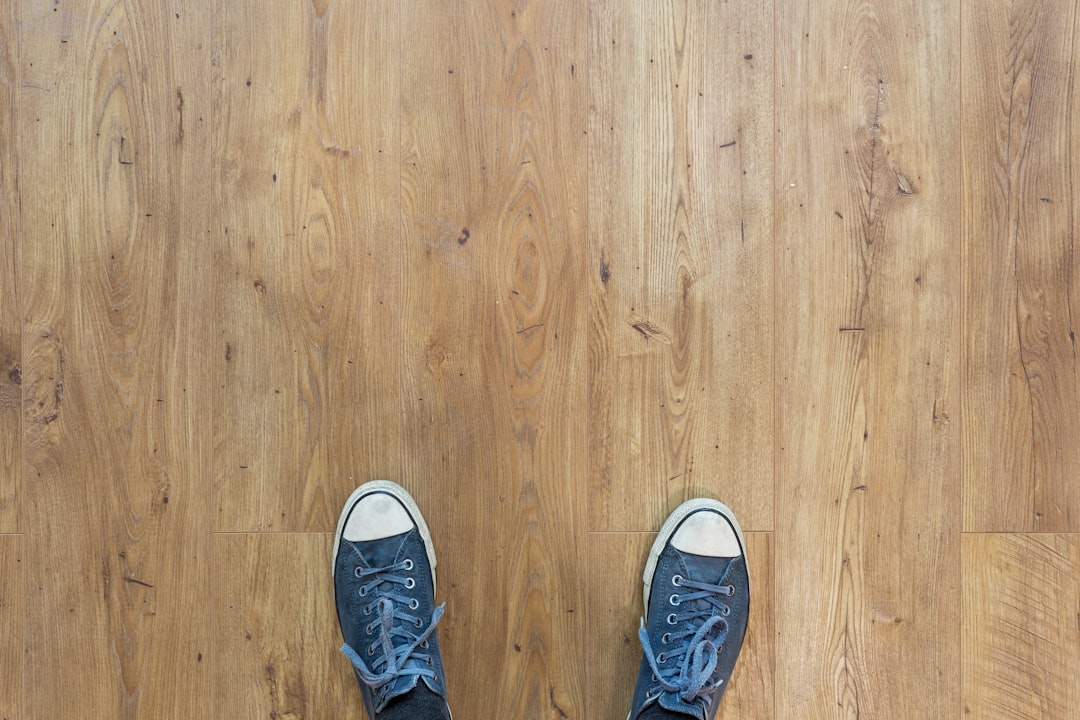
Hardwood and laminate flooring transform a room in a way that few other renovations match — and they represent a meaningful investment that will either hold up for decades or start showing its problems within a year. The price range in South Africa is enormous, and the cheapest options are not simply the same product at a lower price point. Cheap laminate wears through quickly, warps in humidity, and sounds hollow underfoot. Cheap installation cuts the corners that cause swelling, gaps, and squeaking. Knowing what you're actually paying for — and what you should be paying — is what keeps you from spending money twice.
This guide covers supply and installation price benchmarks for hardwood and laminate flooring in South Africa in 2026, the most important specification decisions, and the factors that make costs vary significantly between quotes.
Laminate Flooring — Supply Cost Benchmarks
Laminate flooring in South Africa is priced per square metre and the range is wide. Entry-level laminate (thin wear layer, low AC rating, prone to swelling in humid areas): R80–R150 per m². Mid-range laminate (AC3 or AC4 rated, appropriate for residential use, decent thickness of 8–12mm): R150–R300 per m². Premium laminate (AC5 rated, 12mm+, textured finish, suitable for high-traffic areas): R300–R500+ per m².
The AC (Abrasion Class) rating is the most important specification to check. AC1 and AC2 are for low-traffic residential use — they are too soft for anything resembling normal family use. AC3 is the residential standard for most rooms. AC4 is appropriate for higher traffic. AC5 is a commercial rating that will last decades in a residential setting. A flooring supplier who cannot tell you the AC rating of what they are selling should not be selling you flooring.
Thickness matters for acoustic performance and durability. 6–7mm laminate sounds hollow and feels thin underfoot. 10–12mm laminate has significantly better acoustic properties and a more solid feel. If underfloor heating is involved, confirm the product is rated for UFH use — not all laminate is, and incorrect installation voids both the flooring warranty and potentially the heating system warranty.
Engineered and Solid Hardwood — Supply Cost Benchmarks
Solid hardwood flooring in South Africa ranges from R400–R600 per m² for locally available species like Kiaat and Stinkwood to R800–R1,500+ per m² for imported species like oak, walnut, or European ash. Solid hardwood can be sanded and refinished multiple times over its lifespan, making the per-year cost competitive despite the higher upfront price.
Engineered hardwood — a real hardwood veneer bonded to a plywood core — is more dimensionally stable than solid hardwood (less affected by humidity and temperature changes) and is suitable for below-grade installation and over underfloor heating. Supply prices range from R350–R900 per m² depending on the veneer species, veneer thickness, and board dimensions. Wider planks are more expensive per square metre but create a more impactful visual result.
Reclaimed or recycled hardwood flooring is a distinct category with high variation in price and quality. Well-sourced reclaimed wood (properly dried, de-nailed, and graded) can be priced at R400–R800 per m² and often has better character and stability than new timber. Poorly sourced reclaimed wood may not be properly dried and can continue to move after installation. Ask about the moisture content at the time of purchase — it should be 8–12% for South African indoor conditions.
Installation Costs
Installation of laminate (floating method): R80–R150 per m² labour only. This includes cutting, laying, and fitting around obstacles — doorframes, built-in furniture, fireplace hearths. Underlay is typically not included in the labour rate; budget R15–R40 per m² for underlay depending on specification.
Installation of engineered hardwood (glue-down method): R120–R200 per m² labour only. Glue-down is more permanent and creates a better acoustic result than floating. The adhesive cost adds R30–R60 per m². Floating installation of engineered hardwood (click-lock systems) is cheaper — similar to laminate installation cost — but gives a less solid result on concrete subfloors.
Solid hardwood installation (nail-down or staple-down): R150–R250 per m² labour. This requires a timber subfloor or battens — it cannot be nailed directly to concrete. If battens need to be installed over a concrete slab, this adds R80–R120 per m² to the job cost.
Sanding and finishing of unfinished solid hardwood: R100–R180 per m² additional, covering sanding (typically two to three passes) and two to three coats of finish. Pre-finished solid and engineered hardwood arrives ready to install without on-site finishing — the price premium for pre-finished reflects this convenience.
Subfloor Preparation — The Non-Negotiable Cost
All timber and laminate flooring requires a flat, dry, stable subfloor. Concrete slabs with dips or high spots need levelling compound — typically R80–R150 per m² for grinding and levelling. Moisture must be below 75% relative humidity at the slab surface for most laminate and engineered hardwood products. Moisture testing should be done by the installer before any material is laid — ask to see the readings.
Acclimatisation is required for solid and engineered hardwood. The product must be stored in the room where it will be installed for a minimum of five to seven days before installation, allowing the timber to adjust to the humidity and temperature of the space. Any installer who wants to skip acclimatisation and start immediately is setting up a floor that will gap or buckle.
What Makes Quotes Vary
The biggest variables are product specification (AC rating, thickness, wood species), room complexity (straight rectangular rooms are cheaper than L-shapes, rooms with many doorways, or diagonal installation), and subfloor condition. An installer who quotes significantly lower than competitors for the same room is either using a lower-spec product, skipping subfloor preparation, or not properly accounting for waste.
Waste is a genuine cost — diagonal installation can require 20–25% waste factor versus 10% for straight installation. Rooms with complex shapes need more cuts and generate more offcuts. Verify that waste allowance is appropriate for your specific room shapes before accepting any quote.
Quick Checklist Before You Buy and Install Hardwood or Laminate Flooring
- Check the AC rating — minimum AC3 for residential use, AC4 for high-traffic areas
- For UFH: confirm the flooring product is rated for underfloor heating use
- Insist on moisture testing of the concrete slab before any installation begins
- For solid or engineered hardwood: confirm a minimum five-day acclimatisation period
- Ask for the adhesive and underlay specification in writing
- Check the waste allowance is appropriate for your room shapes and installation direction
- Get at least two quotes that specify the same product — then compare installation cost separately
- Ask to see a recent completed installation in the same product you are considering
Flooring is a long-term investment, and the difference between a R180/m² laminate and a R300/m² laminate is usually visible within two to three years of daily use. Choose for durability and get the installation right the first time. Read reviews on KiesSlim before hiring any flooring contractor — specifically look for reviews that comment on finish quality and how the floor looks and feels six months to a year after installation.