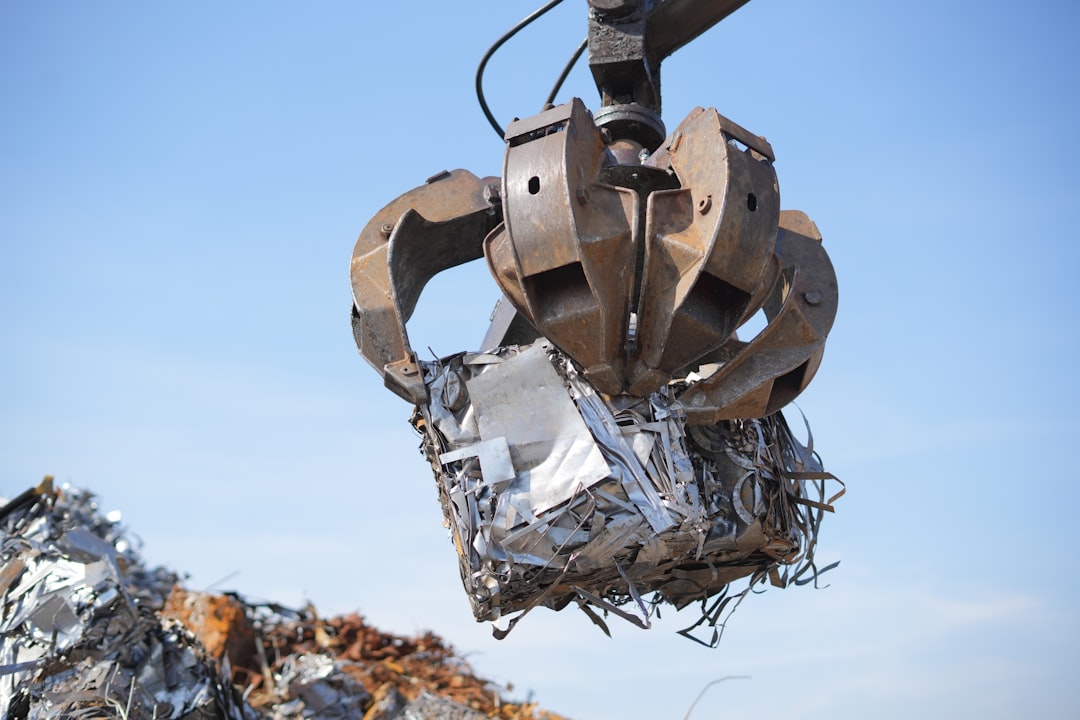
South Africa generates significant volumes of recyclable and scrap material — from domestic waste paper and plastics to industrial metal, e-waste, and building rubble. The recycling and scrap industry serves both individuals looking to dispose of or sell materials responsibly, and businesses managing large volumes of recoverable waste. In both contexts, the difference between a legitimate, licensed operator and an informal collector ranges from price and reliability to legal compliance and environmental responsibility. Using an unregulated operator does not just reduce what you earn or pay — in some cases it can make you party to illegal disposal.
Types of Recycling and Scrap Services
Kerbside and community recycling collection covers paper, plastic, glass, and tin for households. Many South African municipalities now provide separation-at-source bins and scheduled collection — check whether your municipality offers this service before paying for a private collector. Where municipal collection is absent or insufficient, a range of private recycling companies offer scheduled collection, often at no charge for households providing good volumes of clean, sorted material.
Buy-back centres purchase recyclable material from individuals and businesses for cash. Paper, cardboard, plastic, glass, tin, aluminium, and copper are all purchased. Prices fluctuate based on commodity markets, and rates vary between buy-back centres — it is worth calling ahead to compare prices before a significant delivery, as the rand-per-kilogram difference on a large load can be meaningful.
Scrap metal dealers purchase ferrous metal (steel, iron) and non-ferrous metals (aluminium, copper, brass, stainless steel) separately, with non-ferrous metals commanding significantly higher prices per kilogram. For large volumes from construction, demolition, or industrial operations, a reputable scrap dealer will come to site, weigh material on a certified scale, and pay based on a documented invoice.
E-waste recyclers handle electronic equipment — computers, phones, printers, batteries, and similar items. E-waste contains both valuable recoverable materials and hazardous components that require controlled processing. Disposing of e-waste through general waste or with informal collectors who strip components and discard the rest is environmentally harmful. Several manufacturer take-back programmes and specialist e-waste processors operate in South Africa for responsible disposal.
How to Verify a Legitimate Operator
Waste management and recycling in South Africa is regulated under the National Environmental Management: Waste Act (NEMWA). Waste collectors operating commercially require a waste management licence from the relevant provincial authority or a registration as a waste management activity under the Act's listed activities framework. Buy-back centres and scrap dealers require business registration and in many cases specific permits depending on the materials they handle.
For scrap metal dealers specifically, the Second-Hand Goods Act requires registration with the South African Police Service (SAPS) as a second-hand goods dealer. This registration requires a business address, documentation of the dealer's identity, and creates a record-keeping obligation for transactions. An unlicensed scrap dealer is more likely to be involved in the purchase of stolen metal — copper cable theft, manhole covers, and infrastructure metal theft are serious ongoing problems in South Africa — and using such a dealer, even unknowingly, creates potential legal exposure.
Ask any scrap dealer or recycler for their business registration number and, for scrap metal specifically, their SAPS second-hand goods dealer registration number. A registered, professional dealer will provide these immediately. Reluctance to share registration details is a meaningful warning sign.
Getting a Fair Price for Scrap Metal
Scrap metal prices in South Africa fluctuate with international commodity markets and the rand-dollar exchange rate. This means that the prices you receive today may be meaningfully different from what you would have received six months ago. Staying approximately current on market rates helps you identify whether a dealer is offering a reasonable price or a low one.
Call at least two or three dealers before taking a significant load. For ferrous scrap (steel and iron), the price difference between dealers is typically smaller. For non-ferrous metals — aluminium, copper, brass — price differences between dealers can be substantial. Get a verbal quote per kilogram before transporting material, and confirm whether the price quoted is before or after any deductions for contamination or separation.
Certified weighbridges matter for significant volumes. A legitimate scrap dealer will weigh your material on a verified, certified scale. Ask to see the scale's verification certificate if you are delivering a large load — weighing on an uncertified or deliberately inaccurate scale is an ongoing fraud in parts of the scrap industry.
Separate your metals before delivery. A load of mixed metals will be priced at the lowest common denominator — the cheapest metal in the mix. Separating copper, aluminium, and steel before delivery allows each to be priced at its correct commodity rate and significantly increases your total return on a mixed load.
Recycling for Environmental Benefit — Practical SA Considerations
South Africa has one of the most active informal recycling economies in the world — the waste pickers (reclaimers) who collect from pavements, landfills, and business collection points divert enormous volumes of material from landfill and derive their livelihoods from this activity. Recognising the role of these individuals and the formal organisations that support them — like PETCO for PET plastic and various paper recycling trusts — is part of understanding how the South African recycling economy works.
For households looking to maximise the environmental benefit of their recycling, sorting material properly is more important than choosing between formal and informal collection. Clean, dry, sorted material has higher value and is more likely to be actually recycled rather than contaminated to the point of being disposed of anyway. Rinsing food containers, flattening cardboard, and keeping paper dry are simple habits that meaningfully improve the quality and recyclability of material.
Several supermarket chains in South Africa maintain recycling drop-off points in their parking areas for common materials. These are maintained by recycling companies and are a reliable, convenient option for households whose municipality does not offer adequate collection.
What to Ask a Scrap Dealer or Recycler
What is your current price per kilogram for [specific material]? Get this confirmed before transporting. Prices can change daily for some commodities.
Are your scales SANAS-certified and when were they last verified? A dealer operating a certified scale has nothing to hide about this question.
Do you have your second-hand goods dealer registration? For any scrap metal dealer, this should be immediately available.
What is your process for e-waste? A responsible recycler will be able to explain who processes the e-waste they collect and how hazardous components are handled.
Red Flags to Watch For
Cash-only transactions with no receipt. Any legitimate scrap dealer or buy-back centre will provide a receipt for every transaction. No receipt means no record — which protects the dealer, not you.
Dealers who cannot or will not produce registration documentation. An unregistered scrap metal dealer is more likely to be purchasing stolen material. Participating in that supply chain, even unknowingly, carries legal risk.
Quotes that seem dramatically below market rates. If a dealer is offering significantly less than what other dealers are paying for the same material, there is a reason — either their scales are inaccurate, their assessment of the material is unfavourable, or they are simply low-balling on the assumption you do not know the market.
Quick Checklist Before You Use a Scrap or Recycling Service
- For scrap metal dealers, verify SAPS second-hand goods dealer registration
- Call at least two dealers for a price comparison before delivering a significant load
- Separate metals before delivery — mixed loads are priced at the lowest material in the mix
- Ask to see scale certification for any significant load
- Get a receipt for every transaction regardless of payment method
- For e-waste, use a specialist e-waste recycler or manufacturer take-back programme rather than a general scrap dealer
- Check whether your municipality offers separation-at-source collection before paying for private collection
- Check online reviews from other sellers about whether quoted prices held at the scale
Responsible disposal of scrap and recyclable material is both an environmental contribution and, in the case of metals, a potential source of meaningful income. Getting a fair price and working with legitimate operators requires a small amount of research that most people skip entirely. Reviews from South Africans who regularly use local scrap and recycling services can help you identify operators who offer fair weights, accurate prices, and professional service. KiesSlim makes it easy to find and compare recycling services near you.