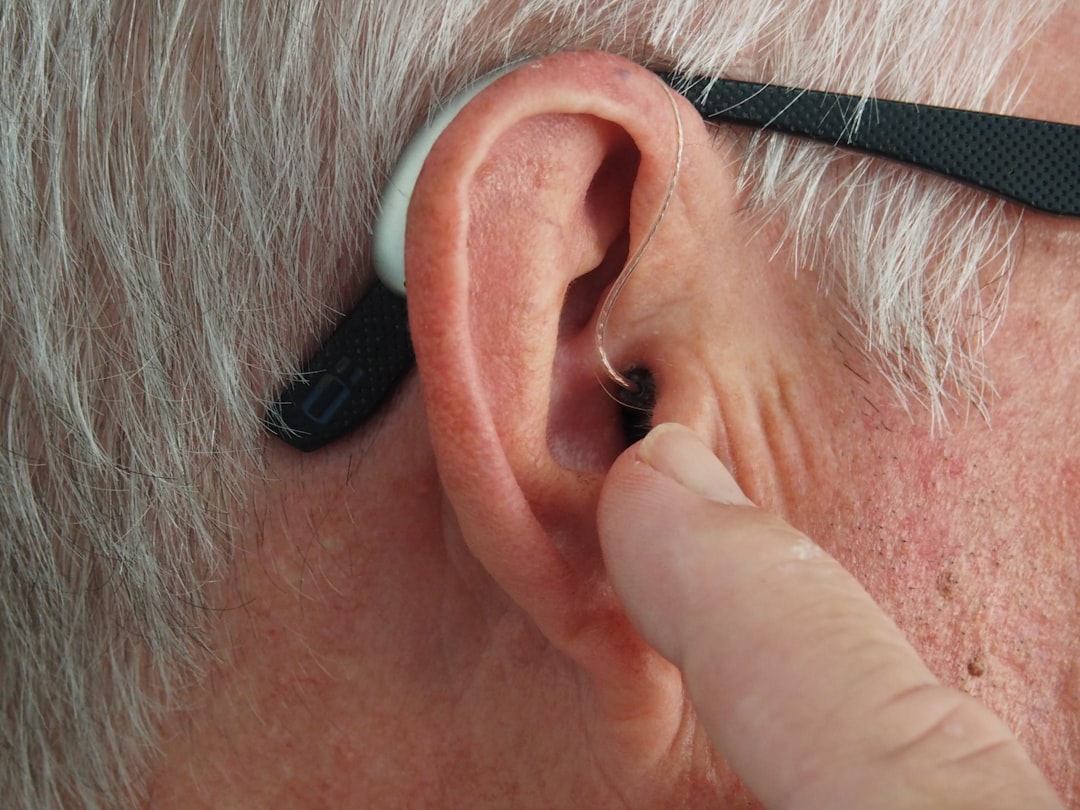
Hearing loss is one of the most undertreated health conditions in South Africa — both because symptoms develop gradually enough that many people normalise them, and because the cost and complexity of accessing good hearing healthcare puts people off seeking help. The consequences of untreated hearing loss extend beyond communication difficulty: research consistently links it to social isolation, cognitive decline, depression, and workplace disadvantage. Finding a qualified, trustworthy audiologist and getting a proper hearing assessment is often the starting point for reversing damage that has been quietly accumulating for years.
This guide covers what audiologists are qualified to do, how to verify HPCSA registration, what a comprehensive hearing assessment should include, how medical aid covers hearing healthcare in South Africa, what to expect from the hearing aid fitting process if required, and the warning signs that suggest you are dealing with a practice prioritising sales over clinical care.
What Audiologists Are Qualified to Do
A registered audiologist in South Africa holds a four-year bachelor's degree in audiology and is registered with the Health Professions Council of South Africa (HPCSA) under the Speech-Language and Hearing Professions Board. Their scope of practice includes comprehensive hearing assessment across all age groups from newborns to the elderly, diagnosis of hearing loss type and degree, vestibular (balance) assessment, tinnitus evaluation and management, hearing aid fitting and rehabilitation, and cochlear implant candidacy evaluation and programming.
An audiometrist holds a lower qualification — typically a diploma — and is registered at a more limited scope level. They can perform basic audiometric screening and hearing aid fitting under supervision or within defined limits, but cannot diagnose complex hearing conditions or manage vestibular disorders. For routine hearing screening and hearing aid fitting in straightforward cases, an audiometrist may be entirely adequate. For complex hearing conditions, tinnitus, balance problems, or paediatric hearing assessments, a fully registered audiologist with relevant experience is the appropriate choice.
Verify registration on the HPCSA website before booking. Search by the practitioner's name and confirm their registration category and that it is current. Any practitioner offering hearing healthcare who cannot provide an HPCSA registration number should not have access to your hearing health.
What a Comprehensive Hearing Assessment Should Include
A comprehensive audiological evaluation goes significantly beyond the quick tone-in-headphones test that many people associate with hearing checks. A thorough assessment for an adult should include a case history covering your hearing concerns, noise exposure history, family history, ear health history, and current medications (several medications are ototoxic — harmful to hearing); otoscopy (visual inspection of the ear canal and eardrum); pure-tone audiometry to establish your hearing thresholds across frequencies in each ear; speech audiometry to assess how well you understand speech; and tympanometry and acoustic reflex testing to assess middle ear function.
For children and infants, additional tests — otoacoustic emissions (OAEs) and auditory brainstem response (ABR) — are typically required to assess hearing in patients too young to participate in behavioural audiometry. Paediatric audiological assessment requires specific training and equipment. If you are seeking hearing assessment for a child, confirm that the practice has specific paediatric experience.
The assessment should conclude with a clear explanation of your results in plain language — what the findings mean, whether hearing loss is present and if so its type, degree, and likely cause, and what the recommended management options are. If a hearing aid is recommended, the recommendation should be based on the audiological findings and your communication needs — not on the practice's commercial relationship with a specific hearing aid brand.
Medical Aid Coverage for Hearing Healthcare
Most South African open medical aid schemes provide some hearing healthcare benefit, but the scope varies considerably between schemes and plan types. The benefit typically covers the audiological assessment and hearing aids up to a specified rand value every few years — commonly every three to five years for hearing aids. The assessment fee and hearing aid benefit are usually separate components.
Contact your medical aid before booking and ask specifically: what is my hearing benefit for this cycle? Does it cover both the assessment fee and hearing aids? What is the hearing aid benefit limit per ear? Do I need a referral from a GP or ENT specialist first? Is the practitioner I am considering on the scheme's network?
The gap between what your medical aid pays for hearing aids and what premium hearing aid technology costs can be significant. Modern hearing aids range from basic entry-level devices at a few thousand rand per ear to premium devices with Bluetooth connectivity, rechargeable batteries, and advanced noise processing at R15,000–R30,000 per ear or more. Your scheme's benefit may cover the full cost of an appropriate mid-range device or only a portion of a premium device. Understanding this before your fitting appointment helps you make an informed decision rather than discovering the co-payment at the point of sale.
The Hearing Aid Fitting Process
If hearing aids are recommended, the fitting process should be thorough and personalised. A proper fitting includes programming the devices to your specific audiogram using manufacturer software, real-ear measurement (REM) to verify that the amplification delivered in your actual ear canal matches the target prescription, and counselling on how to use and maintain the devices.
Real-ear measurement is the gold standard for hearing aid verification and makes a meaningful difference to outcomes — particularly for first-time users. It requires specific equipment (a probe microphone inserted into the ear canal) and adds time to the fitting appointment. A practice that does not offer REM is fitting hearing aids to prescription targets that may not match what you actually hear in your specific ear. Ask whether REM is part of their fitting protocol.
A trial period — typically 30 days — is standard for hearing aid fittings. This is a legal requirement in South Africa. During the trial, you should be able to return for adjustments based on your real-world experience with the devices. A practice that is available for follow-up adjustments during the trial period and beyond is providing the ongoing care that hearing aid users need to achieve full benefit from their devices.
Red Flags in Hearing Healthcare
High-pressure selling of specific hearing aid brands without a clinical rationale. Hearing aids should be recommended based on your degree of hearing loss, lifestyle, communication needs, and dexterity — not based on which brand the practice earns the highest margin on. If the recommendation process skips quickly to a specific product without a clear explanation of why that product suits your situation, ask why other options were not considered.
A hearing assessment that takes less than 30 minutes. A thorough hearing assessment for an adult covering case history, otoscopy, pure-tone audiometry, speech testing, and tympanometry cannot be completed in less than 30–45 minutes. A quick test followed immediately by a sales consultation is screening, not diagnosis.
No follow-up support after hearing aid fitting. Hearing aid adjustment is an iterative process. A practice that provides no follow-up appointments after the initial fitting, or that charges separately for every minor adjustment, is not providing the standard of aftercare that successful hearing rehabilitation requires.
Quick Checklist Before You Book
- Verify HPCSA registration before booking — confirm the category (audiologist vs audiometrist) and that it is current
- For complex conditions, children, or vestibular problems, confirm the practitioner has specific experience in that area
- Contact your medical aid to confirm your hearing benefit, limits, and whether referral is required
- Ask whether the assessment includes tympanometry, speech audiometry, and a full case history — not just pure-tone thresholds
- If hearing aids are recommended, ask whether real-ear measurement is part of their fitting protocol
- Understand the trial period and follow-up adjustment process before committing to a device purchase
- Ask why the specific hearing aid recommendation suits your audiogram and lifestyle — get a clinical rationale
- Check reviews from patients who have had both the assessment and a fitting — ongoing aftercare quality is as important as the initial appointment
Hearing loss is manageable when it is properly assessed and appropriately treated. The right audiologist will give you honest information about your hearing, explain your options without pressure, and provide the ongoing support you need to get the best possible outcome from treatment. Reviews from South Africans who have used local audiologists can help you identify practitioners who prioritise clinical care over sales. KiesSlim makes it easy to find audiologists near you with a record of genuine patient-centred practice.