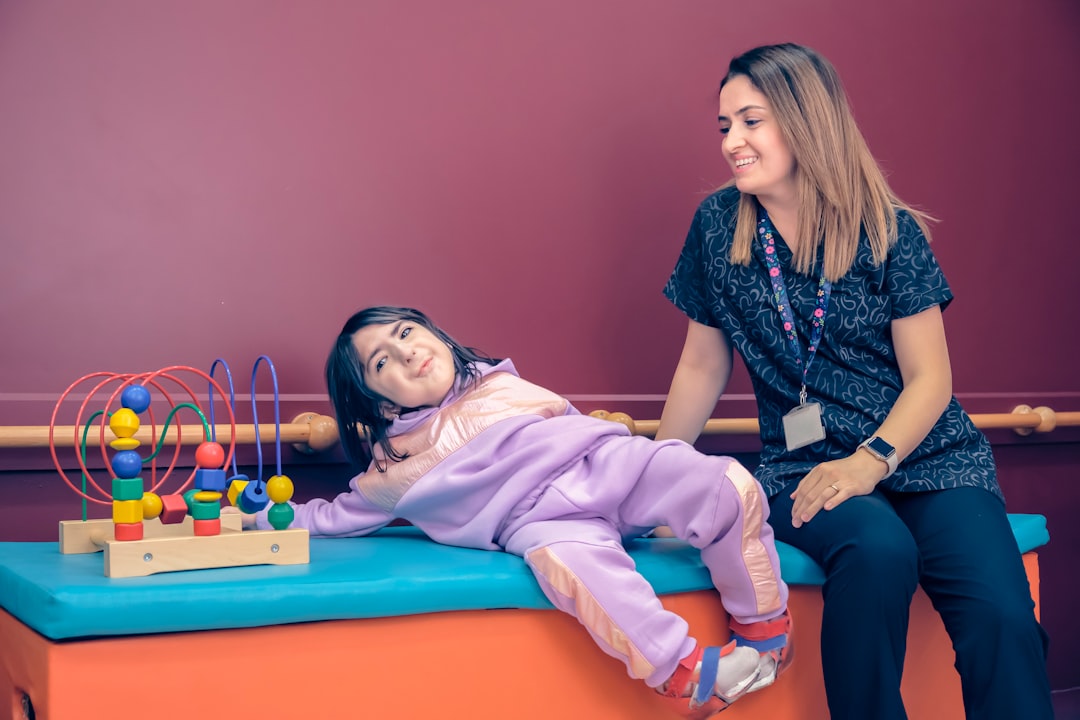
Occupational therapy is one of the most misunderstood healthcare professions in South Africa — many people still associate it primarily with craft activities in rehabilitation settings, which does not reflect what a modern OT actually does. Occupational therapists assess and treat conditions that affect a person's ability to function in the activities that matter to their daily life — whether that is a child who cannot hold a pencil, an adult recovering from a stroke, a worker with an injury that prevents them returning to their job, or an elderly person whose home environment has become a safety risk. Getting to the right OT for your specific situation makes a meaningful difference in how much the treatment helps.
This guide covers the full scope of occupational therapy practice, how to verify HPCSA registration, how to identify an OT with experience in your specific area of need, what medical aid covers for OT services, what a proper initial assessment looks like, and the warning signs of a practice that is not delivering evidence-based care.
What Occupational Therapists Actually Treat
Occupational therapy in South Africa spans several distinct practice areas. Paediatric OT is the area most South African parents are familiar with — assessing and treating children with developmental delays, learning difficulties, sensory processing challenges, autism spectrum conditions, handwriting and fine motor delays, and attention difficulties. A paediatric OT works with the child directly and with parents and teachers to implement strategies that support the child's development and participation in school and daily activities.
Physical rehabilitation OT supports adults and children recovering from injury, surgery, stroke, spinal cord injury, traumatic brain injury, or progressive neurological conditions like Parkinson's disease or MS. The OT's role is to help the person regain the ability to perform the activities that matter to them — personal care, domestic tasks, work, and leisure — through adaptation of the activity, the environment, or the person's approach to the task.
Vocational rehabilitation OT works specifically with people whose injury or illness affects their ability to work. This includes functional capacity evaluations used in medico-legal contexts, workplace assessments and accommodations, graded return-to-work programmes, and skills retraining for people who cannot return to their previous job.
Mental health OT supports people with psychiatric conditions, anxiety disorders, depression, and other mental health challenges to develop coping skills, daily living routines, and social participation. This is a significant and growing area of OT practice that remains underrecognised relative to its clinical value.
HPCSA Registration and How to Verify It
Every occupational therapist practising in South Africa must be registered with the Health Professions Council of South Africa (HPCSA) under the Occupational Therapy, Medical Orthotics and Prosthetics Board. The qualification required is a four-year Bachelor of Occupational Therapy degree from an accredited South African institution.
Verify registration on the HPCSA website by searching the practitioner's name. The search result will show their registration status, registration number, and whether there are any conditions or restrictions on their practice. Do this before booking any assessment — as with all registered health professions, practising without HPCSA registration is illegal and removes any accountability mechanism for complaints.
Ask any OT you are considering about their specific practice focus and the years of experience they have in that area. Occupational therapy is broad, and an OT who practises predominantly in adult physical rehabilitation may have limited experience with the sensory processing assessment tools used in paediatric practice. The reverse is equally true. Matching the OT's specialist area to your child's or your own specific needs is as important as verifying their formal registration.
Medical Aid Coverage for Occupational Therapy
Most South African medical aid schemes provide an occupational therapy benefit, but the scope varies significantly between plans. OT services may be covered under the scheme's rehabilitation benefit, the mental health benefit, or the preventive care benefit depending on the nature of the treatment.
Contact your medical aid before booking and ask specifically: what is my OT benefit for this year? Is it a number of sessions, a rand value, or unlimited with specified conditions? Does it apply to the specific reason I am seeking OT (physical rehabilitation, paediatric development, mental health)? Do I need a referral from my GP or specialist? Is pre-authorisation required before the first assessment?
Some medical aids designate specific OT networks for full benefit. Using an out-of-network OT may result in reduced cover or significant co-payments. If the OT you want to see is not on your scheme's network, ask whether they will accept your scheme's tariff and whether you will have any out-of-pocket cost before booking.
What a Proper Initial Assessment Includes
An OT assessment is not a single standard procedure — its content depends entirely on the presenting reason. A paediatric developmental assessment involves standardised assessments of fine motor, gross motor, visual perception, sensory processing, and self-care skills, as well as observation of the child in structured and unstructured tasks, and a detailed case history from parents. This typically takes 90 minutes to two hours and requires a follow-up session to provide feedback and recommendations.
An adult physical rehabilitation assessment covers the person's injury or condition, their functional abilities across self-care and daily activities, their home and work environment, and their goals for treatment. It may include formal assessment tools appropriate to the condition as well as clinical observation of how the person performs specific activities.
The assessment should conclude with a written report that summarises the findings, the OT's clinical interpretation, and specific recommendations — for treatment frequency, for home programme activities, for environmental modifications, or for referral to other professionals. A verbal debrief without a written report is insufficient documentation of what was found and what was recommended.
Questions to Ask Before Booking
What specific area of OT do you specialise in, and how much of your caseload involves cases similar to mine? This question reveals both their focus and their genuine volume of experience with your type of presentation.
What standardised assessment tools do you use, and why are they appropriate for my situation? For paediatric OT in particular, the quality of an assessment depends significantly on using validated, normed assessment tools rather than informal clinical observation alone. An OT who cannot name the assessments they use may not be conducting a rigorous evaluation.
How long does the initial assessment take, and when will I receive the written report? These logistics are worth confirming upfront, particularly if the report is needed for a school, employer, or medicolegal process by a specific date.
Do you do home or school visits, or is all treatment at your rooms? For many OT goals — particularly home safety for the elderly or school-based support for children — seeing the actual environment where the person functions is clinically important. An OT who can observe someone in their real environment designs more practical interventions than one working entirely from a clinic.
Red Flags That Suggest Weak Clinical Practice
A very short initial session followed immediately by a long-term treatment programme recommendation. Accurate OT assessment takes time. An OT who after 20 minutes proposes a 40-session treatment programme without a thorough assessment has not established a proper clinical basis for that recommendation.
No written reports or documentation. Every assessment should produce a written report. Every treatment session should generate a clinical note. Documentation is not bureaucracy — it is the record of clinical reasoning, progress, and response to treatment that allows care to be adjusted appropriately over time and that allows any other professional involved in the person's care to understand what has been done.
Inability to explain the evidence base for treatment approaches. Occupational therapy has a strong evidence base for many of its interventions. An OT who cannot explain why a specific approach is recommended for your situation, or who responds to questions about evidence with vague reassurances about experience, is not practising reflectively.
Quick Checklist Before You Book
- Verify HPCSA registration on the council website before booking
- Match the OT's specialist area to your specific presenting need — paediatric, physical rehab, mental health, vocational
- Contact your medical aid to confirm OT benefit, session limits, and whether pre-authorisation is required
- Ask what standardised assessment tools they use and why they are appropriate
- Confirm that a written report will be provided after the initial assessment
- Ask about home or school visit availability if the real-world environment is clinically relevant
- Do not commit to a long treatment programme before receiving the initial assessment report
- Check reviews from parents and patients — consistent positive experiences with specific OTs are the most reliable indicator of quality
Occupational therapy produces its best outcomes when the therapist genuinely understands the person's life, goals, and environment — and when the treatment approach is grounded in proper assessment rather than a generic protocol applied to everyone. Reviews from South Africans who have worked with local OTs can help you find a practitioner who takes this seriously. KiesSlim makes it easy to search for occupational therapists near you and read what real clients and parents have experienced.