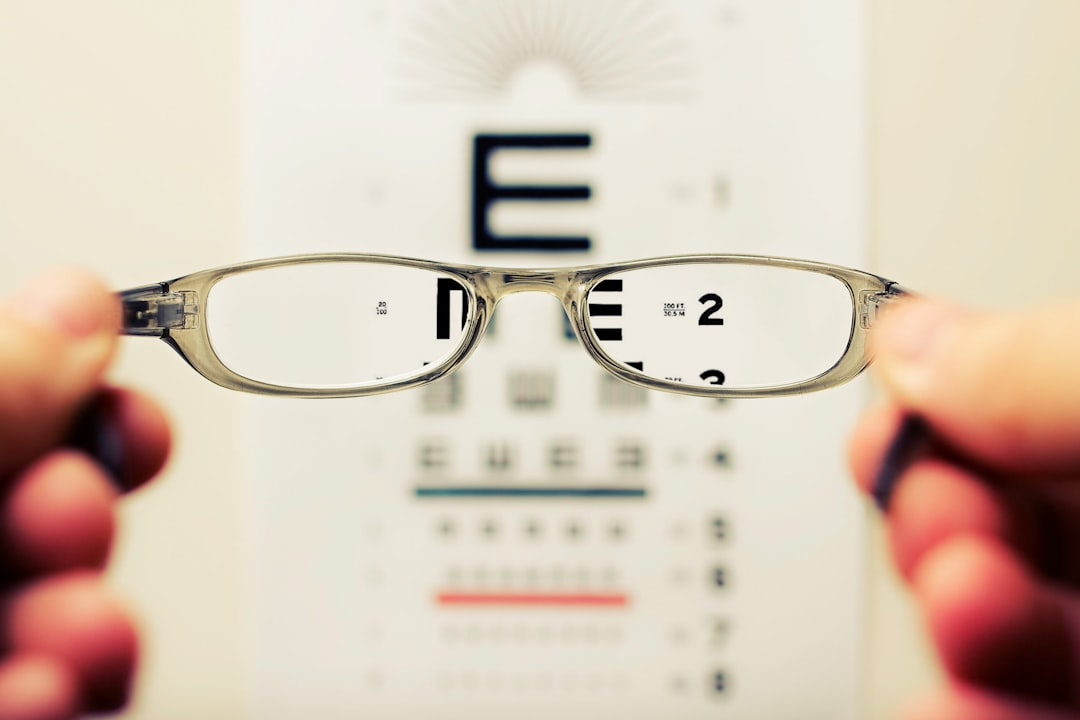
Your vision is not something to manage with the cheapest provider you can find. A proper eye examination does far more than check whether you need stronger glasses — it can detect early signs of glaucoma, diabetic retinopathy, macular degeneration, hypertension, and even some neurological conditions long before symptoms appear. In South Africa, where access to specialist care can require long waiting periods or significant private cost, a thorough routine eye examination with a good optometrist can be genuinely preventative healthcare, not just a prescription update.
This guide covers what HPCSA registration means and how to verify it, what a comprehensive eye examination should actually include, how to get the most from your medical aid optometry benefits, the questions worth asking when choosing an optometrist, and the warning signs that suggest a practice is more interested in selling you frames than caring for your eyes.
HPCSA Registration and Why It Matters
Every optometrist practicing in South Africa must be registered with the Health Professions Council of South Africa (HPCSA) under the Optometry and Dispensing Opticians Board. This is a legal requirement under the Health Professions Act. Practicing optometry without registration is illegal, and registration requires a four-year Bachelor of Optometry degree from an accredited South African institution, followed by a practical internship year.
You can verify any optometrist's registration on the HPCSA website using their name or registration number. This takes two minutes and confirms that the person examining your eyes has the training they claim to have. A dispensing optician, by contrast, is qualified to fit and dispense spectacles but is not qualified to conduct a full eye examination or diagnose eye conditions. Make sure you understand who is actually examining you, not just who is helping you choose frames.
Registration also comes with accountability. If you have a legitimate complaint about an optometrist's professional conduct — whether related to their clinical work, their billing, or how they treated you — the HPCSA has a formal complaints process. Dealing with an unregistered person removes this protection entirely. Ask for the registration number if it is not displayed visibly in the practice.
What a Comprehensive Eye Examination Should Include
This is where the difference between a thorough optometrist and a perfunctory one becomes most apparent. A basic vision check that tells you your prescription and sends you to the frame wall in 10 minutes is not a comprehensive eye examination. A proper examination takes 30–45 minutes with a registered optometrist and should cover multiple aspects of your eye health.
The examination should include a case history — your symptoms, any family history of eye disease, your general health, and current medications (many medications have ocular side effects). Visual acuity testing establishes how well you see at distance and near. Refraction determines your prescription. Binocular vision assessment checks how your eyes work together. Cover test and eye movement assessment check for squints and tracking problems.
Critically, a comprehensive examination should include internal examination of the eye — either through dilation with drops that temporarily widen the pupils to allow a proper view of the retina, or through non-contact retinal photography, which is increasingly available and allows the optometrist to examine the retina without drops. This is where conditions like glaucoma, diabetic changes, and macular degeneration are detected. Skipping this component means your eye health is only partially assessed.
Intraocular pressure testing (checking for glaucoma risk) and assessment of the anterior eye structures — including the cornea, lens, and lids — should also form part of the examination. If your optometrist does all of this, takes notes, and explains what they are finding, you are in good hands. If the examination feels rushed or superficial, it probably was.
Medical Aid Benefits and How to Use Them
Most South African medical aid schemes include an optometry benefit, but the detail of that benefit varies significantly between schemes and plan types. Understanding what your plan covers before you walk into a practice prevents unpleasant surprises at the billing stage.
Contact your medical aid before booking and ask the following: What is my optometry benefit for this benefit year? Does it cover the full consultation fee or only a portion? What is the frame benefit limit? What lens types are covered — basic single vision, bifocal, progressive? Is contact lens fitting covered, and if so, to what value? Do I need a designated service provider, or can I use any registered optometrist?
Some schemes designate specific optometry networks that offer full cover at scheme rates. Going outside these networks may result in a co-payment that can be substantial, particularly for progressive lenses. Your scheme's app or member portal usually has a provider search tool to identify network optometrists near you.
Be aware that the frame benefit and lens benefit are separate components with separate limits. A R2,000 frame benefit sounds reasonable until you realise your lens choice costs R3,500 and your frame benefit does not cover lenses at all. Get a written quote before authorising any work, and check each component against your benefit schedule.
Understanding Your Prescription and Lens Options
Your spectacle prescription belongs to you. In South Africa, optometrists are legally required to provide you with a copy of your prescription after an examination, regardless of whether you purchase frames or lenses from them. Do not leave without your prescription in hand — it allows you to fill it elsewhere, compare prices, or use an online supplier if that suits your budget.
Lens technology has a significant impact on both the cost and the quality of your spectacles. Basic plastic lenses are the most affordable option and are fine for many prescriptions. High-index lenses are thinner and lighter for stronger prescriptions. Anti-reflection coatings significantly reduce glare and are worth the extra cost for most wearers. Photochromic lenses (like Transitions) darken in sunlight, which is useful but comes at a meaningful price premium.
Progressive lenses — used when you need both distance and reading correction — vary enormously in quality and cost. Entry-level progressive lenses have a narrower field of comfortable vision and can take longer to adapt to. Premium progressive designs are significantly better but also significantly more expensive. Ask your optometrist to explain the options honestly and match the recommendation to your actual lifestyle and visual demands, not to the most expensive lens in the practice's range.
Questions to Ask When Choosing an Optometrist
What equipment do you use for retinal examination? The answer should include either a slit lamp with indirect ophthalmoscopy, digital retinal photography, or both. If retinal examination is not routine in their consultation, that is a gap in their clinical examination.
How long is a standard consultation? If the answer is less than 20 minutes, ask what that consultation covers. A comprehensive examination cannot be done properly in 10 minutes.
Are you registered with my medical aid scheme's network? Asking upfront avoids discovering a co-payment only after the work is done.
Do you provide the prescription after every examination? They are legally required to, but asking confirms they will do so without you having to request it specifically.
Do you refer to an ophthalmologist when clinical findings require it? A good optometrist knows the limits of their scope. An optometrist who never refers to anyone is either practicing in a uniquely healthy area or not finding what they should be looking for.
Red Flags Worth Knowing
A practice where the consultation feels like a formality and the majority of time is spent in the frame selection area is oriented around retail, not clinical care. This is not always bad — good optometry practices also run profitable frame businesses — but when the clinical component feels cursory, the retail priority is colouring the clinical work.
Pressure to purchase frames and lenses immediately, rather than giving you time to consider your options or get a second quote, is worth noting. Your prescription is valid and you are under no obligation to fill it in the same practice that issued it.
Failure to provide your prescription without a specific request is technically a legal violation in South Africa. A practice that resists providing your prescription is trying to lock you into purchasing from them. That is the kind of practice to avoid.
Promises about contact lens fits that seem to bypass the necessary clinical assessment. Fitting contact lenses properly requires a contact lens consultation, corneal measurement, and a trial period — it is not just handing you a box of lenses that match your spectacle prescription.
Quick Checklist Before You Book
- Verify HPCSA registration on the council website before your appointment
- Confirm with your medical aid what optometry benefits you have available this year
- Ask whether the practice is on your scheme's designated provider network
- Confirm the consultation includes retinal examination — either dilated fundoscopy or digital retinal photography
- Ask how long the full consultation takes
- Request a written quote for any frames or lenses before authorising work
- Insist on your prescription in writing after every examination — you are entitled to it by law
- Do not feel pressured to buy same-day — compare prices and options before committing
A good optometrist is a long-term relationship — someone who knows your eye history, tracks changes in your eye health over years, and catches things early. Building that relationship starts with choosing well. Reviews from South Africans who have used local optometrists can help you find a practice where the clinical care is taken seriously, not just the frame selection. KiesSlim makes it easy to search for optometrists near you and read what previous patients have experienced.