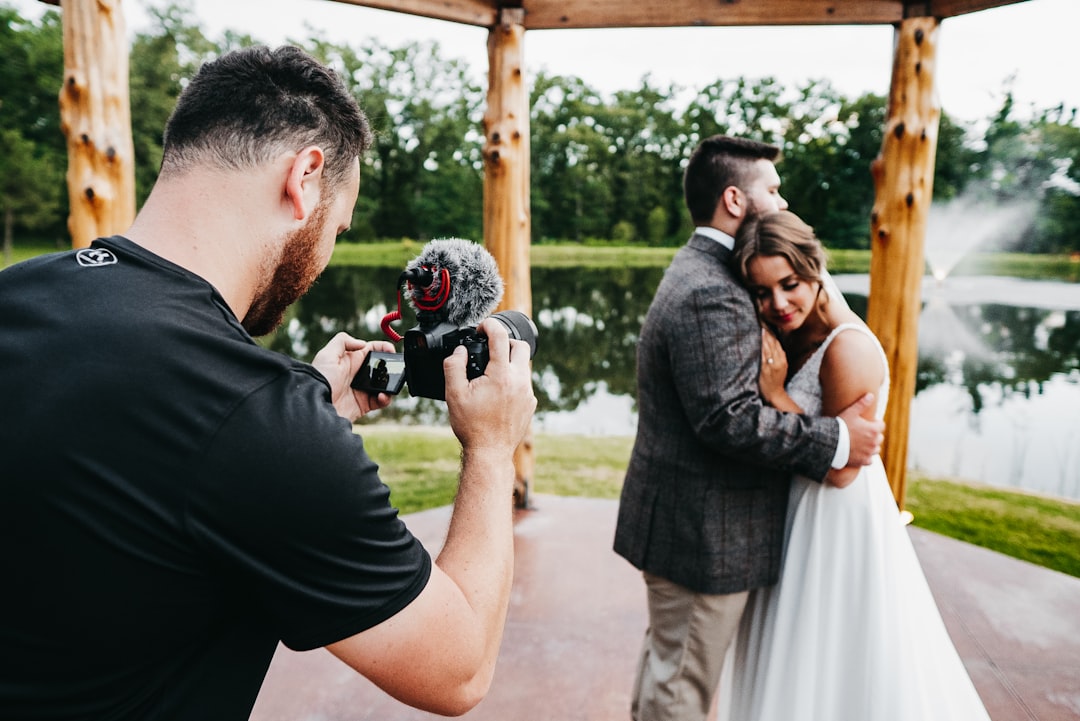
Photographs are what remain of an event after the flowers wilt, the food is eaten, and the guests go home. A wedding, a corporate launch, a milestone birthday — these moments exist in memory and in photographs, and the quality of the photographs determines how those memories are preserved and shared. Choosing the wrong photographer means walking away from a significant event with images that do not reflect what actually happened, cannot be used for the purpose you intended, or — in the worst case — do not exist at all because the photographer's equipment failed, their card corrupted, or they simply did not show up. Here's how to avoid those outcomes.
This guide covers how to evaluate an event photographer's portfolio, what the contract must cover, how to brief a photographer effectively, and the questions that separate professionals from people who own a camera.
Portfolio Evaluation — What to Actually Look For
Every photographer has a portfolio. The question is whether the portfolio shows the type of work you need, under the conditions you will be working in. Ask to see a full gallery from a single event — not just a curated highlight reel of the best 20 images from multiple events. A full gallery reveals how a photographer covers an event: the arrival, the candid moments between formal shots, the details, the room, and the people who were not the primary subjects. A highlight reel only shows that they can occasionally produce a great shot; a full gallery shows whether they can deliver a complete, usable set.
Assess the full gallery for: exposure consistency (are the images all reasonably well-exposed, or are some blown out and some underexposed?); sharpness on the subjects (are the people in focus, or are key moments blurry?); coverage (do they capture the moments you would expect from this type of event?); and editing style (is the editing consistent and in a style that suits your preferences?). Your event photographs will be edited in the same style as the portfolio — if you dislike the editing style on the portfolio, that is not something that will change for your event.
Ask specifically whether the portfolio images were taken at indoor venues, outdoor venues, or both, and whether any were shot in low-light conditions similar to your event. A photographer who is excellent in natural daylight may struggle in the dark interior of a conference venue or a dimly lit restaurant. Their indoor, low-light work is the relevant test for a corporate gala or evening wedding reception.
Equipment and Backup — The Professional Standard
A professional event photographer works with at least two camera bodies. This is not a luxury — it is risk management. If one camera fails during your event, the backup is immediately available with no gap in coverage. A photographer with a single camera body is carrying a single point of failure to one of the most important moments of your life or your client's year.
Ask: What cameras do you use? Do you carry a backup body? What happens if your memory card fails? (Professional photographers shoot to multiple cards simultaneously or back up cards throughout the event.) A photographer who cannot answer these questions confidently has not thought through the risk management of their work.
Flash and lighting competency matters enormously for indoor events. Ask whether the photographer uses off-camera flash or only on-camera flash. On-camera flash produces flat, uniform lighting that is functional but rarely flattering. Off-camera flash and bounce techniques produce more natural-looking light in dark environments. Ask to see portfolio examples specifically from indoor, low-light events before assuming their outdoor work translates.
What the Contract Must Cover
A professional event photographer provides a written contract. It should specify: the event date, venue, and hours covered; the deliverables (how many edited images, in what format, and within what timeframe); whether a second shooter is included or available; the payment schedule and what triggers cancellation penalties; copyright and usage rights; and the process if the photographer cannot attend due to illness or emergency.
Usage rights matter more than most clients realise. By default, the photographer owns the copyright to images they create. Your contract should specify that you receive a licence to use the images for your intended purposes — personal use, commercial use, marketing, publication — without additional fees. A contract that delivers images but restricts how you can use them (prohibiting commercial use, requiring photographer credit in all publications) may be a problem for corporate clients. Read this section of the contract before signing.
The turnaround time for edited images should be explicit in the contract — not "within a few weeks" but a specific number of calendar days or weeks. Wedding photographs typically take four to eight weeks; corporate events typically take one to two weeks. If you need images faster for a press release or social media campaign, negotiate this upfront as a rush delivery — and expect a premium for it.
How to Brief Your Photographer
The quality of the brief you provide determines in large part what you get back. A good brief covers: the timeline of the event and key moments that must be captured; a list of specific group shots or portraits required (especially for weddings and corporate events); any VIPs, speakers, or key people the photographer must identify and prioritise; the tone and feel you want (documentary, formal, energetic, intimate); any specific details to capture (décor, products, branded materials); and any restrictions (areas where photography is not permitted, guests who have requested not to be photographed).
Provide the brief in writing at least one to two weeks before the event, not on the day. A photographer who receives a brief for the first time on the morning of your event cannot plan their positioning, their shot list, or their lighting setup in advance. The brief is a working document — the photographer should confirm receipt and ask clarifying questions, which is itself a useful signal of their professionalism.
Walk the venue with your photographer before the event if the venue is unfamiliar to them. Understanding where natural light falls at specific times of day, where the best backdrops are, and where congestion points are during arrivals and departures all contribute to better coverage. Photographers who do not want to do a venue walkthrough or who say "I will figure it out on the day" may be cutting preparation time that matters.
Pricing — What to Expect
Event photography pricing in South Africa in 2026 varies by photographer experience, event type, and coverage duration. A competent mid-level photographer for a corporate half-day event (four hours): R3,500–R6,000. Full-day corporate event: R6,000–R12,000. Wedding photography (full day, eight to ten hours): R10,000–R25,000 for an established photographer with a strong portfolio. Premium and in-demand wedding photographers: R25,000–R60,000+.
Prices below these ranges should prompt questions — experienced photographers with professional equipment and editing skills have genuine costs. A photographer quoting R3,000 for an eight-hour wedding is either inexperienced, using entry-level equipment, or will deliver a quantity of edited images that is insufficient for meaningful coverage of a full wedding day. Ask specifically: How many edited images will I receive? What is your editing process? What are your turnaround times? The answers will reveal whether the low price reflects value or genuine limitation.
Red Flags to Watch For
A photographer who cannot show you a full gallery from a single event (only highlights), who does not use a written contract, who cannot name their camera equipment, or who quotes you without asking any questions about the event is not operating at a professional level. Event photography requires preparation and communication — a photographer who is passive in the sales process will be passive on the day.
Be cautious of photographers who work without a backup camera body, who do not have public liability insurance (relevant if they are working in a venue with expensive equipment or breakable items), or whose social media presence consists only of heavily processed images that do not resemble realistic event documentation. Aggressive post-processing can disguise exposure or focus problems that will be visible in the unprocessed originals.
Quick Checklist Before Booking an Event Photographer
- Request a full gallery from a single comparable event — not just highlights
- Confirm they carry a backup camera body
- Ask about indoor and low-light portfolio examples if your event is in that environment
- Get a written contract specifying deliverables, turnaround, and usage rights
- Provide a written brief at least one week before the event
- Ask about their backup plan if they are ill or have an emergency on your event day
- Check turnaround time for edited images and confirm whether rush delivery is available
- Read reviews that specifically mention the final delivered images, not just the experience on the day
A great event photographer disappears into the background on the day while capturing everything that matters. The measure of their work is not what they say they will do — it is the images that arrive in your inbox two weeks later. Read reviews on KiesSlim before booking, and look specifically for reviewers who comment on the quality of the final delivered images and whether the photographer captured the moments that mattered most.