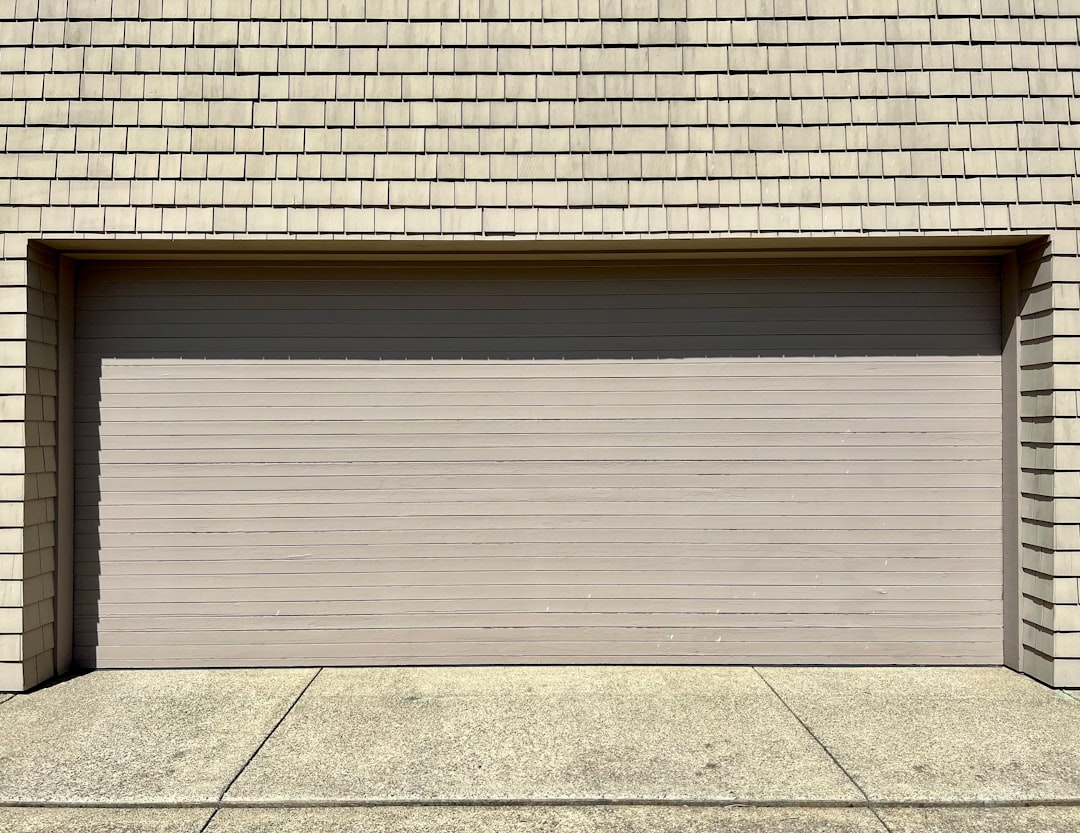
A garage door and motor is one of those installations that most homeowners do not think about until something goes wrong — and when it fails, it is immediately disruptive. A door that will not open in the morning when you need to get to work, a motor that burns out after eighteen months, or a door that rattles and lets in dust and rain are all consequences of a poor-quality initial installation. Getting it right means choosing the right door type, a reliable motor, and an installer who knows what they are doing.
Garage door types
Sectional overhead doors are the most popular choice for modern South African homes. They consist of horizontal panels hinged together that lift vertically and then run along horizontal ceiling tracks. They are space-efficient (they do not swing outward, so you can park close to the door), they seal well against dust and rain, and they work effectively with automated motors. Available in steel, aluminium, timber, and composite materials. Most new residential garages are built with sectional overhead doors.
Tilt doors (tip-up or tilting doors) were the standard in South African homes for decades and are still common in older properties. The entire door swings outward at the base as it opens — this requires clearance space in front of the garage and overhead space above. They are generally cheaper than sectional doors and can be retro-fitted with a motor, but they are less space-efficient and typically do not seal as well as sectional doors. Repairs and maintenance on an older tilt door are often straightforward and inexpensive.
Roll-up (roller) doors consist of narrow horizontal slats that roll up around a drum above the door opening. They are compact, space-efficient, and popular for commercial and light industrial applications. In residential use, they are common in townhouse complexes and multi-unit developments. They are less aesthetically versatile than sectional doors but work well in limited headroom situations.
Side-hinged doors (like traditional barn doors, opening outward on hinges) are used where overhead clearance is very limited, or where a traditional aesthetic is desired. They are less commonly installed in standard residential garages.
Material choices
Steel sectional doors are the most common material for residential sectional doors in South Africa. They are durable, available in a wide range of finishes and colours, and can be insulated (with a polyurethane foam core between the steel skins). Insulated steel doors significantly reduce heat transfer and sound transmission compared to single-skin steel. In coastal areas, marine-grade or aluminium-framed steel doors are worth considering to manage corrosion risk.
Aluminium sectional doors are more expensive than steel but corrosion-resistant — appropriate for coastal properties where salt air accelerates steel corrosion. Available in powder-coated colours and timber-look finishes. They are lighter than steel, which is marginally better for motor longevity.
Timber doors provide a premium aesthetic and are used in high-end residential applications. Genuine timber requires regular maintenance (sealing or oiling) to prevent warping and splitting in South Africa's UV-intense conditions. Timber-effect steel or composite doors offer a similar visual result with lower maintenance requirements.
Fibreglass and composite panels are used in some sectional door systems. They are lightweight and moisture-resistant but can fade or become brittle with prolonged UV exposure if the coating quality is insufficient.
Motor selection
The motor (operator) is the most critical component for long-term reliability. Cheap motors sold as entry-level products have a higher failure rate and shorter lifespan than established brands. South Africa has specific conditions that affect motor longevity: dust (particularly in Gauteng), power outages, and the load cycles associated with homes where the garage is the primary access point (multiple openings and closings per day).
Established brands available in South Africa include: Centurion Systems (local manufacturer, well-supported), DoorMaster, Centsys, APC by Schneider Electric, FAAC, and Nice/Normstahl. Centurion and Centsys are the most widely sold and serviced brands in South Africa, which means parts and service are broadly available.
AC motors are the traditional motor type — robust, powerful, and well-suited to heavy doors. They are less energy-efficient than DC motors and produce more heat during operation, but they have a long track record of reliability.
DC motors are quieter and more energy-efficient than AC motors. Most modern quality motors are DC. They typically include soft-start and soft-stop features that reduce mechanical stress on the door hardware and extend component life.
Battery backup is an important feature for South African conditions given the frequency of load shedding. Motors with integrated battery backup operate normally during power outages — without backup, the door is inoperable during a power cut. Some installers treat battery backup as an optional extra; in South Africa, given load shedding frequency, it should be considered standard.
Smart connectivity (Wi-Fi or cellular control via smartphone app) is available on many modern operators. It allows remote operation and status monitoring — you can check whether the door is open and close it remotely. Worth considering but not essential for most applications.
Questions to ask an installer
What door brand and model are you quoting? Ask for the full product specification so you can research it independently. An installer who cannot name the brand or model of the door and motor they are proposing is not operating with appropriate transparency.
Is the motor rated for the door size and weight? Motors are rated by force output. Fitting an undersized motor to a heavy insulated sectional door will result in premature motor failure. Confirm that the motor is sized correctly for the specific door.
Does the motor include battery backup? As above — given South African power supply conditions, this is important. If it is not included, ask what it costs to add it.
What warranty comes with the door and motor? Reputable brands offer minimum two-year product warranties. Installation workmanship warranties should be at least twelve months. Ask specifically what the warranty covers and what process to follow for a warranty claim.
Who will service the motor if it requires maintenance? Motors require periodic service (typically every 12–24 months for high-use applications). Ask whether the installer handles service calls or whether you need to contact the manufacturer directly.
What safety features are standard on the installation? A properly installed garage door should have: auto-reverse (the door reverses if it contacts an obstacle while closing), manual release (to operate the door manually during a power outage), and safety edge or safety beams (infra-red beam across the door opening that prevents closing if broken). These are safety requirements, not optional extras.
What to budget
Standard single tilt door with motor (supply and install): R6,000–R10,000
Single sectional steel door with motor (supply and install): R10,000–R18,000
Single insulated sectional steel door with DC motor (supply and install): R14,000–R25,000
Double sectional door with motor: R18,000–R35,000
Motor-only replacement (existing door): R4,000–R9,000 depending on motor brand and whether battery backup is included
Prices vary by region and current steel prices. Unusually cheap quotes for sectional doors typically indicate entry-level panels (single-skin, non-insulated) with a budget motor brand — not necessarily a problem for a secondary garage, but not appropriate as a main residential door that opens ten or more times per day.
Red flags
Installer who cannot name the door and motor brands. This suggests they are buying the cheapest available product rather than a specified quality product.
No mention of safety features. Auto-reverse and safety beams are not optional additions — they are safety-critical features that every compliant installation should include. An installer who does not mention them may be omitting them.
Very fast installation without spring adjustment. Sectional and tilt doors operate on a counterbalance spring system. Correct spring tension is critical for motor longevity and safe manual operation. An installation that is rushed without careful spring adjustment and balance testing will result in early motor wear.
No provision for load shedding. An installer who does not raise battery backup as a consideration either has not thought about it or is not providing complete advice to the client.
After installation
Test all safety features with the installer present. Place an obstacle (a piece of timber) on the ground in the door path and verify that the door reverses when it contacts it. Walk through the safety beam while the door is closing and verify it stops. Test the manual release with the power disconnected.
Keep the door tracks clean and lightly lubricated with a silicone spray (not oil, which attracts dust and gums up). Lubricate roller bearings and spring joints annually. Have the full installation inspected and the motor serviced every twelve to eighteen months for high-use applications.
A quality garage door installation, properly maintained, should give you fifteen or more years of reliable operation. The small premium for a reputable motor brand and quality door panels pays for itself many times over in reduced repair costs and inconvenience avoided.