Why Jewellery Purchases Require Extra Care
Jewellery — particularly fine jewellery involving diamonds, precious metals, or significant spend — is one of the hardest purchases to evaluate without expertise. A diamond that looks identical to the untrained eye can differ by tens of thousands of rands in value based on cut, clarity, colour, and carat weight. A gold piece that appears identical to a certified item may be plated rather than solid. Without the right tools and knowledge, the consumer is entirely dependent on the jeweller's honesty.
South Africa has excellent jewellers — many of world standard — but also a wide market of operators who misrepresent quality. These guidelines help you find the former.
Hallmarking and Metal Certification
Precious metal jewellery sold in South Africa should be hallmarked. A hallmark is a stamped mark indicating the metal type and purity. For gold: 375 (9ct), 585 (14ct), 750 (18ct). For platinum: 950. For silver: 925 (sterling silver).
A reputable jeweller will be able to point out the hallmark on any piece and explain what it means. An unlabelled piece, or a piece where the hallmark cannot be located or explained, warrants scepticism.
Diamond Certification
For any diamond purchase of R5,000 or more, insist on a grading certificate from an independent, internationally recognised laboratory. The most respected are GIA (Gemological Institute of America), IGI (International Gemological Institute), and AGS (American Gem Society).
A certificate documents the diamond's exact weight, cut grade, colour grade, and clarity grade — the four Cs that determine value. A jeweller who sells diamonds without certificates, or who provides only an in-house certificate (not from an independent lab), is not providing verifiable quality assurance. Verify the certificate number on the issuing laboratory's website — all major labs provide online verification.
Questions to Ask Before Buying
- Is this piece hallmarked? Can you show me the hallmark?
- Does the stone come with an independent grading certificate?
- What is your returns and exchange policy?
- Do you offer resizing? Is there a charge?
- What is your repair and maintenance policy?
- Are you a member of the Jewellery Council of South Africa (JCSA)?
JCSA membership is not mandatory, but member jewellers subscribe to a code of practice that provides some level of accountability. Verify membership at jcsa.org.za.
Price Comparison
For diamond jewellery especially, compare prices across at least three jewellers for comparable certified stones. The certified grades allow direct comparison — an H colour, VS2 clarity, 0.75ct round brilliant with an excellent cut should be comparable in price across reputable jewellers. Significant price outliers in either direction warrant investigation: too cheap may mean the certification is unreliable or the stone is misrepresented; too expensive may simply be margin.
Online vs In-Store
South Africa has several reputable online diamond and jewellery retailers. For certified diamonds where you are comparing spec-to-spec, online can offer better pricing. For custom or bespoke work, or for any piece you want to inspect physically before committing, in-store is the appropriate channel. Insist on a 30-day return policy from any online jeweller — this is standard practice among reputable online retailers and essential for online jewellery purchases.
Custom and Bespoke Jewellery
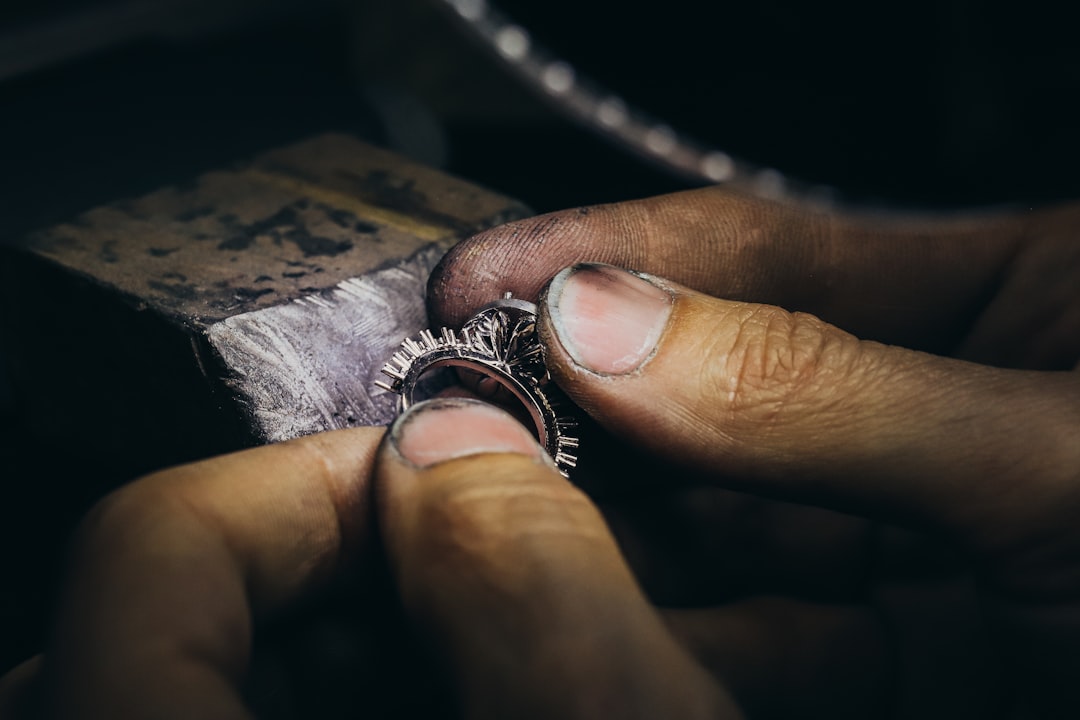
For engagement rings and custom pieces, a reputable jeweller will provide a detailed written quotation including the metal type and weight, stone specifications, and a computer-aided design (CAD) rendering or wax model before manufacture begins. A deposit of 30% to 50% is standard. Never pay 100% upfront for a custom piece.