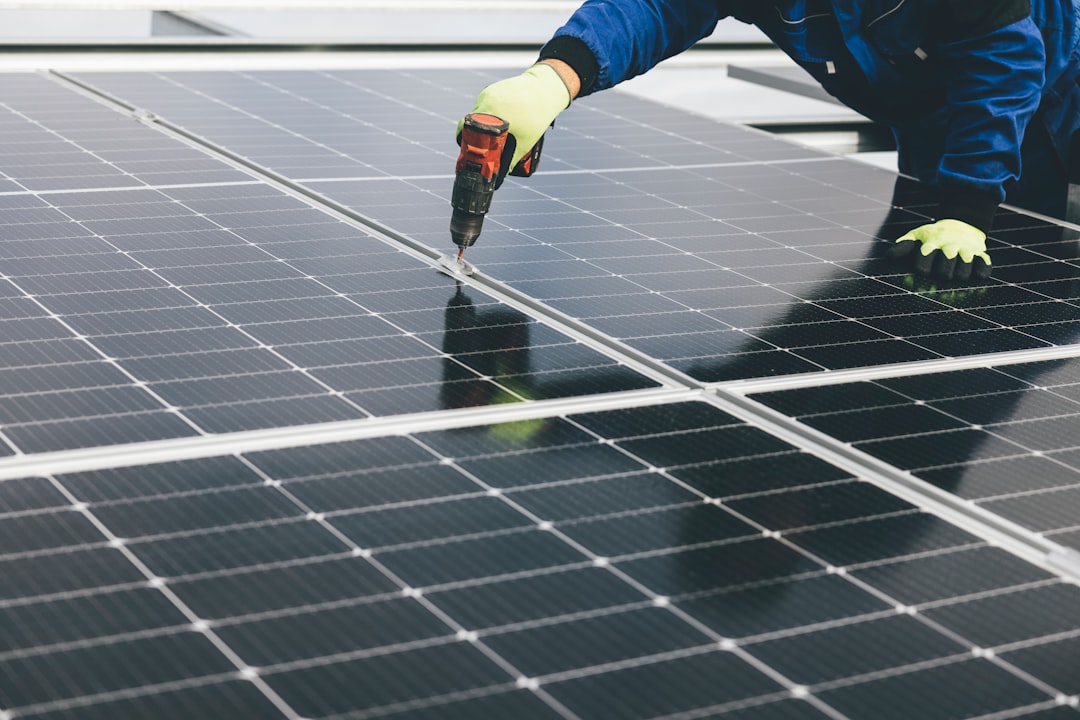
Choosing the right solar installer is as important as choosing the right solar system. A well-designed system poorly installed creates safety hazards, underperforms, and costs significantly more to rectify than it would have cost to install correctly from the start. With South Africa's solar installer market now including thousands of operators of wildly varying quality, the process of evaluating installers deserves as much attention as the process of comparing system specifications.
This guide covers the credentials to verify, the questions that reveal an installer's competence and professionalism, what a proper quote should include, and the red flags that should send you elsewhere before you commit.
Credentials and Registrations to Verify
The minimum requirement for any installer connecting a solar system to your home's electrical distribution board is a registered electrician. This is not negotiable — under the Electrical Installation Regulations, only a registered person may carry out electrical work and issue a Certificate of Compliance.
Look for one or more of the following registrations: registration as an Electrical Contractor with the Department of Employment and Labour (this is the company-level registration); individual registration as a Master Electrician or Wireman with the Engineering Council of South Africa (ECSA); or registration with the South African Photovoltaic Industry Association (SAPVIA). SAPVIA's PV GreenCard certification is a solar-specific qualification that indicates the installer has demonstrated competence in PV system design and installation.
Ask for the electrical contractor registration number and verify it via the DoEL website. Ask for any individual electrician's registration number and verify at ecsa.co.za. Do not accept verbal claims of registration — verify each number yourself. The five minutes this takes is worth more than any sales presentation.
What a Professional Quote Must Include
A quote from a professional installer is a document, not a conversation. It should include: specific brand and model of the inverter; specific brand, model, and wattage of the panels; specific brand, model, chemistry (LiFePO4), and capacity (kWh) of the batteries; cable specifications (DC cable rating, AC cable sizing); mounting system brand and type; whether monitoring is included and how it is configured; the warranty terms for each component and for the workmanship; the payment schedule; and the timeline from deposit to completion.
A quote that says "5kVA inverter, 8 panels, 10kWh battery — R115,000" without the above detail is not a quote you can evaluate fairly. Ask for the full specification before accepting or comparing it. If an installer cannot or will not provide this level of detail, that itself is a signal about how they will manage the installation.
Confirm explicitly that the Certificate of Compliance (COC) is included in the quoted price, not an optional extra. The COC is a legal requirement and should not be presented as something you pay additionally for.
Questions That Reveal Competence
Ask these questions during the site assessment or proposal meeting. The answers reveal how much the installer actually knows about your specific situation.
"What is the estimated daily kWh generation from this system on my roof, given its orientation and pitch?" A competent installer uses solar irradiance data for your location (available from PVGIS or equivalent tools) and your roof's specific orientation to calculate expected yield. If they cannot give you a specific number and the calculation behind it, they are not sizing the system properly.
"What is my current daily consumption in kWh, and how did you calculate it?" A proper system design starts with your actual consumption, derived from your electricity bill. An installer who skips this step is guessing at the system size.
"How will you waterproof the roof penetrations?" The specific answer (flashing kits, sealant type) matters — "we seal it properly" is not an answer. Ask to see photographs from previous installations.
"What happens if the inverter fails outside the warranty period?" Know whether the installer services inverters in-house, has a service agreement with the distributor, or will refer you to a third party. Inverter repair capability matters over a 10–15-year system lifetime.
References and Track Record
Ask for three references from clients with systems that have been operational for at least 12 months. Contact them directly. Ask: "Is the system performing as specified? Has anything failed and how was it handled? Was the installation completed on time and on budget? Would you use this installer again?" A 12-month track record is more informative than a list of recent happy customers whose systems have not yet had time to develop problems.
Check whether the installer has verifiable online reviews — Google, Hellopeter, Facebook. Look specifically for how they handled problems, not just whether installations went smoothly. Every installer has good installations; the measure of a company is how they respond when something goes wrong.
For large systems (above R150,000), ask whether the installer will subcontract any portion of the work and, if so, what the subcontractor's qualifications are. Knowing who is actually on your roof is relevant.
Payment Structure — Protecting Your Deposit
A typical payment structure for a solar installation: 50–60% deposit on signing (to purchase components), with the balance due on completion and COC issuance. Avoid paying more than 60% upfront — the balance is your leverage to ensure completion and quality.
Do not pay the final balance until the system is running, monitoring is configured, the COC has been issued, and you have had a handover session where the installer shows you how to use the monitoring app and explains what to watch for. A company that pressures you to pay the final amount before commissioning is complete is not operating in your interest.
Warranty — What to Look For
A professional installation should come with a minimum 5-year workmanship warranty — meaning the installer will return and correct any installation-related fault at no cost for five years. Some companies offer 10 years. This matters because roof sealing failures and wiring issues often take 2–3 years to manifest.
Ensure you understand the difference between the component warranties (from the manufacturer, via the local distributor) and the workmanship warranty (from the installer). If the inverter fails in year 4, the manufacturer's warranty should cover the replacement — but who manages the claim, and what is the typical turnaround time? Get this confirmed in writing.
Quick Checklist Before You Appoint
- Verify electrical contractor registration and any SAPVIA PV GreenCard certification independently
- Require full component specification (brand, model, capacity) in the written quote
- Confirm the COC is included in the quoted price
- Ask for the estimated daily kWh generation calculation for your specific roof orientation
- Call at least two references with systems operational for 12+ months
- Limit the deposit to 50–60% — hold the balance until commissioning is complete
- Confirm a minimum 5-year workmanship warranty in writing
- Ask how roof penetrations are waterproofed and request photographs from previous installations
Reading reviews from homeowners who have had solar installed by specific companies in your area — including how problems were handled — gives you the most reliable signal before you commit. KiesSlim makes it easy to find and compare installers based on real client experiences.