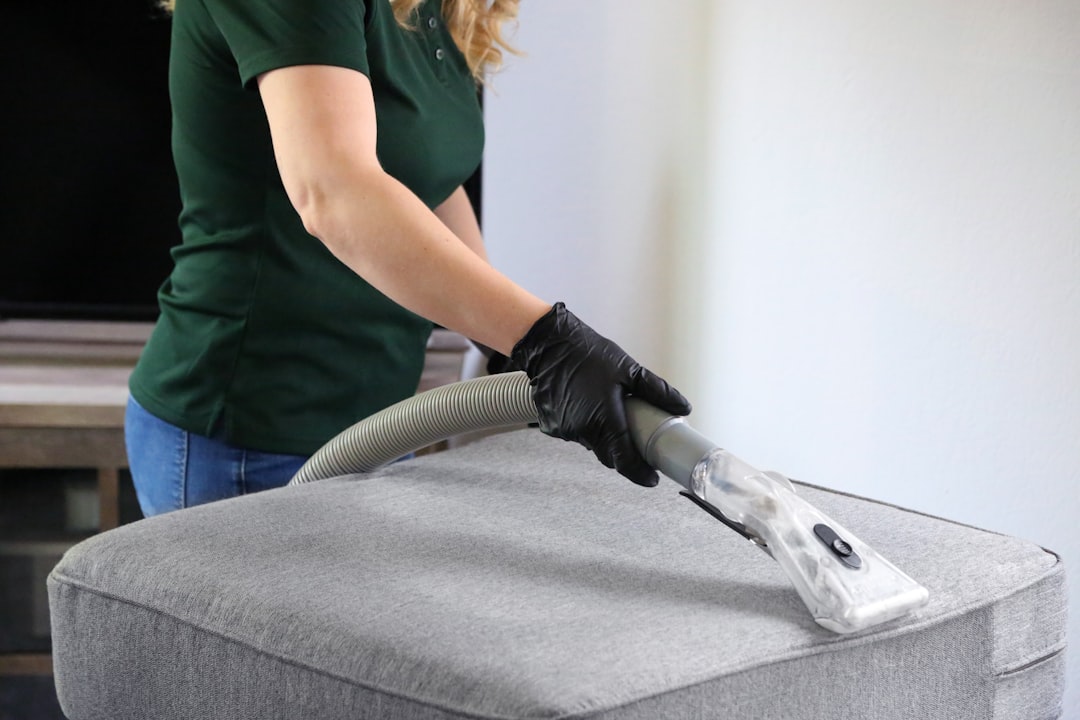
Upholstery is a craft with significant variation in quality — and unlike many home services, the difference between good and poor work is not always obvious until the job is finished and you are left with a couch that does not sit right, fabric that is pulling at the seams, or a car seat that looks correct from a distance but unravels within a year. Knowing what to look for when evaluating an upholsterer, how to specify fabric correctly, and when reupholstering makes financial sense are all practical skills that save money and frustration.
When to reupholster vs when to replace
The first question is whether the piece is worth reupholstering at all. The answer depends on three factors: the quality of the frame and internal structure, the sentimental or aesthetic value of the piece, and the cost comparison with a new replacement of equivalent quality.
Worth reupholstering: Solid hardwood or steel frames with good bones — older couches from the 1970s–1990s were often built on heavier frames than modern mass-market furniture. Antique or heirloom pieces. Custom or bespoke pieces where the original design or dimensions are important. Car interiors where factory upholstery has deteriorated but the seats themselves are in good structural condition.
Not worth reupholstering: Flat-pack or particleboard-framed furniture — the frame will not survive the reupholstering process or provide a stable base for the new upholstery. Very heavily worn padding or spring systems where the internal structure needs full replacement (this significantly increases the cost of the job). Pieces where a direct replacement of equivalent quality costs less than the upholstery quote.
A good upholsterer will give you an honest assessment of whether a piece is worth reupholstering. Be wary of one who agrees to every job without inspecting the frame or internal structure — either they have not checked, or they are prioritising revenue over your outcome.
Types of upholstery work
Furniture upholstery covers everything from sofas, armchairs, and dining chairs to ottomans, headboards, and window seats. The scope can range from a simple recover (replacing only the outer fabric) to a full strip-down and rebuild (new webbing, new foam, new padding, new fabric). The condition of the existing internals determines which is appropriate.
Automotive upholstery involves seat covers, door panels, headliners, dashboards, and boot liners. Car upholstery uses different materials (vinyl, leather, automotive-grade fabric) and requires pattern-making skills to work around the complex shapes of vehicle seating. Automotive and furniture upholstery are related but distinct skills — not all furniture upholsterers do car interiors well, and vice versa.
Marine and outdoor upholstery uses materials specifically rated for UV exposure and moisture — standard indoor fabric or foam deteriorates rapidly in outdoor or marine applications. If you are recovering outdoor furniture, boat seating, or Jet Ski seats, confirm that the upholsterer uses appropriate outdoor-rated materials.
Commercial upholstery covers office chairs, restaurant banquettes, hotel headboards, and healthcare seating. Contract-grade fabrics used in commercial applications have specific rub-count ratings (Martindale or Wyzenbeek tests measuring abrasion resistance) that far exceed residential fabric standards. If you are a business owner reupholstering commercial seating, confirm that the fabric specified meets contract-grade requirements.
Fabric selection — what you need to know
Fabric choice affects durability, appearance, and the final cost of the job significantly. Understanding basic fabric specifications will help you make an informed decision.
Rub count (Martindale or Wyzenbeek rating) measures a fabric's abrasion resistance — how many rubs it can withstand before showing significant wear. For residential sofas used daily, a minimum of 20,000 rubs (Martindale) is the baseline; 30,000–50,000 is preferable for high-use seating. Contract-grade fabrics are typically 100,000+ rubs. A budget fabric with an unspecified or very low rub count will show wear within two to three years on a frequently used sofa.
Fabric composition affects feel, durability, and cleanability. Polyester and polyester blends are durable, easy to clean, and resistant to pilling. Cotton is soft but less durable and more prone to staining. Velvet (whether cotton, polyester, or viscose) is popular but shows wear and directional marks easily — it requires careful handling during upholstery and regular maintenance. Linen is a natural fibre that creases and absorbs liquid more readily than synthetics — better suited to lower-traffic or formal settings. Leather is the most durable cover material for high-use seating and the easiest to clean, but it requires conditioning to prevent cracking and is significantly more expensive per metre.
Pattern matching is an important skill consideration for patterned fabrics. A pattern that needs to be aligned across sofa cushions and back panels requires significantly more fabric (typically 20–30% extra) and more skill and time to execute correctly. If you are choosing a large-scale pattern, confirm that the upholsterer has experience matching patterns and factor the additional fabric cost into your budget.
Buying your own fabric vs the upholsterer supplying it: Many customers source their own fabric and supply it to the upholsterer as "customer's own material" (COM). This gives you full control over the fabric choice and can be cost-effective if you shop around. The risk is that if you under-order, the additional fabric may not be available in the same batch (dye lot), resulting in a visible colour mismatch. Always get the upholsterer's accurate fabric quantity requirement before purchasing, and order 10–15% extra.
Foam and padding
The foam used inside cushions determines comfort and longevity as much as the fabric covering it. Cheap reconstituted foam (made from shredded foam offcuts bonded together) degrades quickly — it loses its shape and resilience within one to two years of regular use. High-density polyurethane foam (25–40kg/m³ density for seating applications) retains its shape and performance significantly longer.
Ask what density foam will be used in the seat cushions specifically. A reputable upholsterer will know the density of the foam they use and why they have chosen it for your application. An upholsterer who cannot tell you the foam density or dismisses the question is likely using the cheapest available product.
For premium seating, foam is sometimes wrapped with a layer of Dacron (polyester wadding) before being covered in fabric — this gives a softer, more rounded appearance and feel. Feather or down inserts are used for very high-end applications where ultimate comfort is the priority, with reduced longevity compared to foam.
Getting an accurate quote
Upholstery quotes are notoriously difficult to compare because the scope of work varies so much between quotes. To get comparable quotes from multiple upholsterers, specify:
- The piece to be reupholstered (dimensions and description)
- Whether you want a simple recover or full strip-down and rebuild
- The fabric (either by specifying a fabric you have selected, or asking the upholsterer to quote with their own fabric options at different price points)
- Foam density required for cushions
- Whether you will deliver the piece and collect, or require collection and delivery
A quote that is vague about what is included — "reupholster sofa: R4,500" — does not tell you whether the foam is being replaced, whether the webbing and springs are being checked, or what fabric is included. Push for itemisation.
Questions to ask before committing
Can I see examples of completed work, particularly similar pieces? A portfolio of completed work is the most reliable indicator of skill level. Look specifically at fabric alignment, seam straightness, corner treatment, and whether the fabric is evenly taut without puckering.
Will you inspect the frame before quoting? A responsible upholsterer will want to see the piece (or detailed photos) before quoting accurately. Quoting blind can mean a significant price revision once the frame condition is revealed.
What foam density will you use? The answer should be specific — not "good quality foam."
What is your turnaround time? Upholstery work takes time — a full sofa recover typically takes one to three weeks. During peak periods it can be longer. If you need the piece back by a specific date, confirm this upfront.
What is your guarantee? A reputable upholsterer will guarantee their workmanship for at least twelve months — seams, stitching, and tacking should not fail within a year of normal use. Fabric wear is not typically covered by the upholsterer's guarantee (it depends on the fabric specified and usage), but workmanship should be.
What to budget
Upholstery pricing in South Africa varies significantly by region, complexity, and fabric choice.
Single dining chair recover (fabric supplied): R400–R900 per chair
Armchair full recover (fabric included): R3,000–R7,000
Three-seater sofa full recover (fabric included): R7,000–R18,000
Full lounge suite (three-seater + two-seater + one armchair, fabric included): R18,000–R40,000+
Headboard upholstery (double, fabric included): R2,500–R5,000
Car seat recover (per seat, automotive vinyl or leather-look): R800–R2,500
Full car interior recover (seats, door panels): R8,000–R25,000 depending on vehicle and material
Premium fabric (genuine leather, high-specification velvet, or designer fabric) will increase costs significantly. Fabric typically accounts for 30–50% of the total cost of a recover job.
Red flags
No portfolio of completed work. Any upholsterer who has been in business for more than a few months should have photos of completed jobs. Absence of a portfolio makes quality evaluation impossible.
Quotes without inspecting the piece. Accurate quotes require seeing the frame and internal condition. A quote given purely on phone dimensions, without any inspection, may change substantially once the work begins — leaving you committed to a job with an uncertain final cost.
Replacing foam with reconstituted product without disclosure. If cushion replacement is included in the scope, ask specifically what type of foam will be used. Reconstituted foam in the cushions of a sofa you plan to use for another ten years is a false economy.
Very short lead times on complex work. A full sofa recover done in 48 hours suggests the upholsterer is rushing through work, which typically means skipped steps or reduced care in execution.
Final thoughts
Quality upholstery is a genuine craft skill that takes years to develop. The difference between a skilled upholsterer and an unskilled one shows in the details — fabric alignment at seams, tightness of corners, evenness of tufting, and the overall finish. These details are not visible from a price comparison, but they are immediately visible on the finished piece.
Take the time to see examples of a practitioner's work before committing. If you can visit their workshop and see work in progress, even better — the condition of the workspace and the quality of the materials being used will tell you a great deal. A skilled upholsterer working with quality materials in a well-organised space consistently produces better results than one working from the back of a van with offcut fabric and recycled foam.
For the right piece and the right upholsterer, reupholstering is one of the most satisfying home investments you can make — restoring a loved piece of furniture, customising a colour scheme, or simply getting decades more life from something that was built to last.