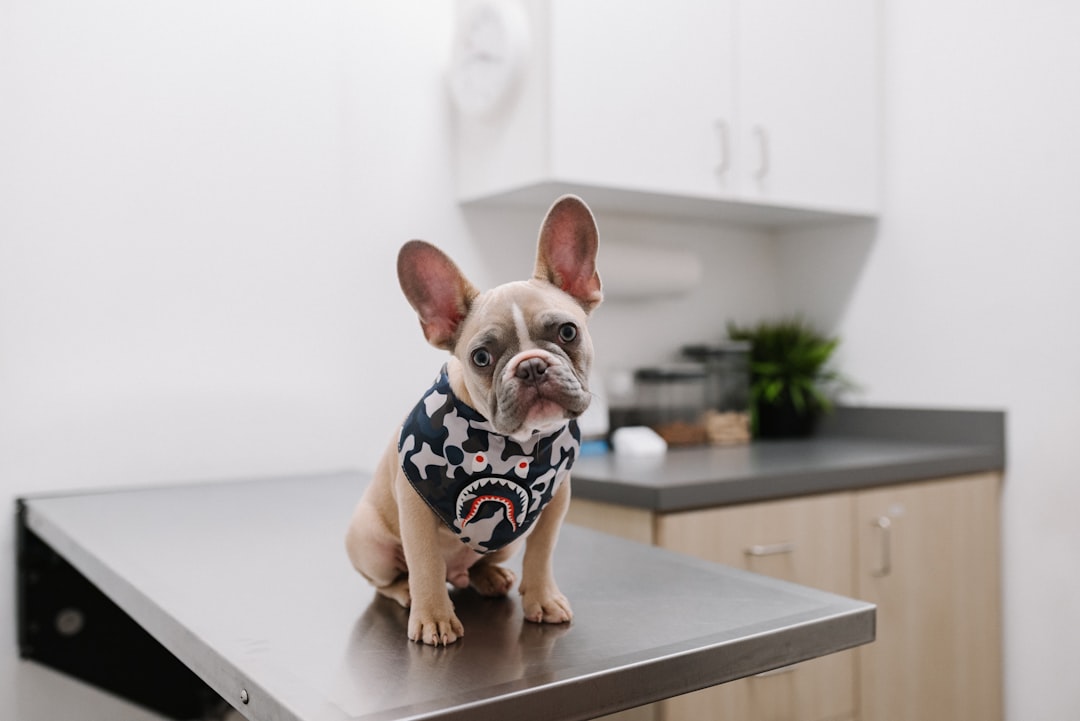
Your vet is one of the most important relationships in your pet's life — and yet most South African pet owners choose their vet based on proximity and price, without knowing what to look for or what questions to ask. The quality of veterinary care varies significantly between practices, and the differences matter most in emergencies and when a pet has a serious illness. Finding a practice that is competent, honest about costs, and genuinely attentive to your animal before you need urgent care is far better than discovering these qualities under pressure.
This guide covers how to evaluate vets and practices before you register, the credentials that indicate proper training, what your first consultation should look like, how to assess whether a practice is well-run, and the questions to ask about after-hours emergencies and referral capacity.
Registration and Qualifications
All practising veterinarians in South Africa must be registered with the South African Veterinary Council (SAVC). Registration is a legal requirement and the SAVC maintains a public register at savc.org.za where you can verify any vet's registration status. An unregistered person performing veterinary procedures is breaking the law — and you have no professional recourse if something goes wrong.
The basic qualification for a South African vet is a BVSc (Bachelor of Veterinary Science) degree, typically from the Universities of Pretoria or Pretoria (the only SA institution offering the degree). Additional postgraduate qualifications in specialist areas — surgery, internal medicine, oncology, dermatology, or ophthalmology — indicate advanced expertise. General practices do not require specialists, but knowing whether a vet has additional training in a relevant area matters if your pet has a complex condition.
Veterinary nurses (vet techs) who assist in consultations and procedures should be registered with the SAVC as para-veterinary professionals. Their involvement in procedures under veterinary supervision is appropriate and legal. Ask the practice who will be present during any procedure and their qualifications if you are uncertain.
What to Assess in the Practice Itself
A practice visit before you register your pet tells you a great deal about how the business is run. You do not need a consultation to observe the reception area, speak to the staff, and ask a few questions.
Cleanliness and smell. A veterinary practice should smell of disinfectant, not of animal waste or neglect. The waiting area and visible treatment areas should be clean. This is a direct indicator of how seriously the practice takes infection control.
Separation of species. Dogs and cats in the same waiting room without separation creates unnecessary stress for both, particularly for cats. Good practices have separate waiting areas or systems for managing this — even something as simple as a cat-only waiting time. How a practice manages species separation signals how much thought they put into patient welfare.
Staff manner with animals. Watch how the reception staff interact with animals that come through. A practice where staff are genuinely interested in the animals, not just the paperwork, is a better environment for your pet.
Transparency about fees. Ask the reception staff for a price list or at least an indication of consultation fees, vaccine costs, and spay/neuter costs. A practice that is reluctant to discuss fees before a consultation is a practice where surprise invoices are more likely. Good practices are transparent about their fee structure and will provide estimates for scheduled procedures.
Questions to Ask Before Registering
These questions take five minutes at reception or in a brief introductory call and reveal how a practice operates.
"What are your after-hours emergency arrangements?" This is the most important question. Emergencies happen at night and on weekends. Does this practice have after-hours cover? Do they refer to an emergency clinic — and if so, which one and how far is it? A practice with no after-hours arrangement is not appropriate as a primary practice for a pet with significant health needs.
"Do you have an in-house laboratory, and how long do blood results take?" In-house blood analysis means results within 30–60 minutes during a consultation. Sending samples to an external lab means results in 24–48 hours. For diagnosis and treatment decisions, turnaround time matters.
"At what point do you refer to a specialist, and who do you typically refer to?" A confident, competent vet knows the limits of their expertise and refers appropriately. A vet who claims to handle everything in-house without a clear referral pathway may be overextending their competence.
"Do you use digital X-ray equipment?" Modern digital X-ray provides significantly better image quality than older film-based equipment and results are immediate. Most well-equipped practices have moved to digital imaging.
What a Good First Consultation Should Look Like
Your first consultation reveals the vet's clinical approach and communication style. A thorough consultation for a new patient should include a full physical examination — not just checking the presenting concern — including weight, temperature, heart and lung auscultation, lymph node palpation, dental assessment, and body condition score. A vet who examines only what you brought the animal in for, without a systems check, is providing incomplete care.
The vet should explain what they are doing and what they are finding during the examination. They should ask about diet, lifestyle, and any previous health issues. Recommendations should be explained with reasoning — not just "your pet needs X" but "I found Y, which indicates Z, and I recommend X because…"
An estimate for any recommended treatment should be provided before you authorise it. You should never be presented with a completed procedure and a bill you did not agree to in advance — except in genuine life-threatening emergencies where immediate intervention was required.
Assessing Value and Cost
Veterinary care in South Africa is not cheap, and costs have risen sharply since 2022. A standard consultation in a Johannesburg or Cape Town suburban practice runs R400–R700. Vaccinations run R250–R450 per visit. Spay/neuter procedures range from R1,500–R4,500 depending on species, size, and practice. Dental cleaning under anaesthetic runs R2,000–R6,000.
Pet insurance is worth serious consideration, particularly for cats and dogs. Several South African insurers offer pet policies — PetSure, Dotsure, and others — covering accidents, illness, and in some policies, routine care. A monthly premium of R200–R600 can prevent a R20,000 emergency surgery from being a financial crisis. Ask your vet which policies they find most straightforward to work with.
Price variation between practices is real — but the cheapest option is not always the best value. A practice with lower consultation fees that recommends unnecessary tests or treatments costs you more overall. A practice with higher fees that is efficient, transparent, and accurately diagnoses on the first visit is better value.
Quick Checklist Before You Register
- Verify the vet is registered with the SAVC at savc.org.za
- Visit the practice before registering — assess cleanliness, staff manner, and species separation arrangements
- Ask specifically about after-hours emergency cover and where you go if the practice is closed
- Ask whether the practice has in-house laboratory and digital X-ray equipment
- Request a price list for common services — transparency about fees is a good sign
- Ask about the referral policy for complex cases
- Consider pet insurance as part of your preparation — ask your vet which insurers they work with most comfortably
- Assess the first consultation on thoroughness and communication — not just the outcome
Reading reviews from other pet owners about their experiences with a specific practice — including how the vet communicated, how emergencies were handled, and whether fees were explained upfront — is one of the most useful ways to assess a practice before you register your pet. KiesSlim makes it easy to find and compare vets in your area.