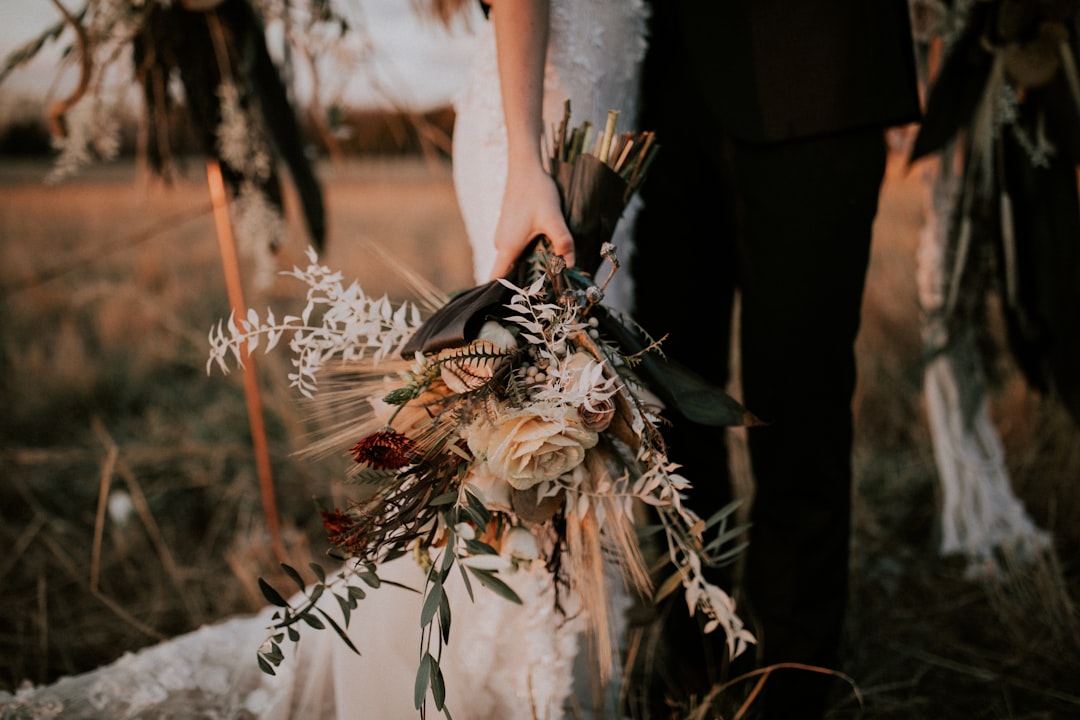
Why Florist Selection Matters More Than the Flowers
Wedding flowers in South Africa can cost R5,000 for a simple intimate celebration or R150,000 for a large-scale floral installation. At any budget level, the florist's ability to understand and execute your vision — and to deliver it reliably on the day — matters far more than the species of flowers involved. A gifted florist working within a modest budget consistently outperforms a poorly briefed florist with an unlimited budget.
Portfolio Assessment — What to Look For
Review at least two to three years of a florist's work, not just their most recent or most dramatic pieces. Look for:
- Consistency of quality across different events and budgets — not just one spectacular showcase wedding
- Work in your style — a florist who specialises in lush, overflowing garden arrangements may not be right for a minimalist, architectural wedding aesthetic
- Full-room context photos, not just close-ups — seeing how arrangements look in an actual wedding venue gives you a more realistic picture than macro shots of individual blooms
- How their work photographs — flowers that look beautiful in person but flat in photos will disappoint you when you see your wedding images
The Budget Conversation
South African florists appreciate a clear budget upfront. It allows them to propose a realistic scheme rather than presenting an aspirational concept that cannot be delivered within your means. Share your full floral budget — including centrepieces, bridal party flowers, ceremony flowers, and any room or arch installations — and ask what is achievable within it.
Be realistic: elaborate floral arches, tall statement centrepieces, and full pew end garlands are labour-intensive and expensive. A florist who allows you to scale down specific elements (fewer statement pieces, more greenery and foliage to bulk arrangements) while maintaining the overall aesthetic can stretch a budget further than one who insists on a minimum concept.
Seasonal and Local Availability
South African flowers vary significantly by season. Discussing what is locally available and in peak season for your wedding month allows the florist to source the freshest, most cost-effective blooms. Demanding specific flowers that are out of season in South Africa and must be imported adds cost and reduces freshness.
Local South African flowers — proteas, leucadendrons, fynbos, alstroemerias, agapanthus — are in many cases more beautiful, more distinctive, and more affordable than imported varieties. A florist who works confidently with local florals is an asset.
The Florist Brief
Provide a detailed brief: your colour palette, the venue style and light, your dress style and colour (relevant for the bridal bouquet), inspiration images (Pinterest boards are useful if accompanied by context about what specifically appeals to you about each image), and any flowers you dislike or want to avoid. The more specific the brief, the more accurately the florist can quote and plan.
Contract and Delivery
A written contract should specify: the full list of items (bouquets, buttonholes, centrepieces with agreed style, ceremony flowers, any additional installations), the delivery time and venue, the setup time, payment schedule, and substitution policy. Flower substitution is common — specific varieties are not always available. The contract should specify that substitutions are of equivalent quality and style and require your approval where practical.
Confirm who will be on-site for setup and what time they will arrive at the venue. A florist who drops off boxes and leaves is not the same as one who personally arranges and adjusts installations until they are perfect.
Red Flags
- No portfolio from real weddings (only styled shoots)
- Inability to provide references from brides at comparable events
- Vague or verbal-only commitments about what will be delivered
- Pressure to decide on the day of the consultation
- No mention of substitution policy