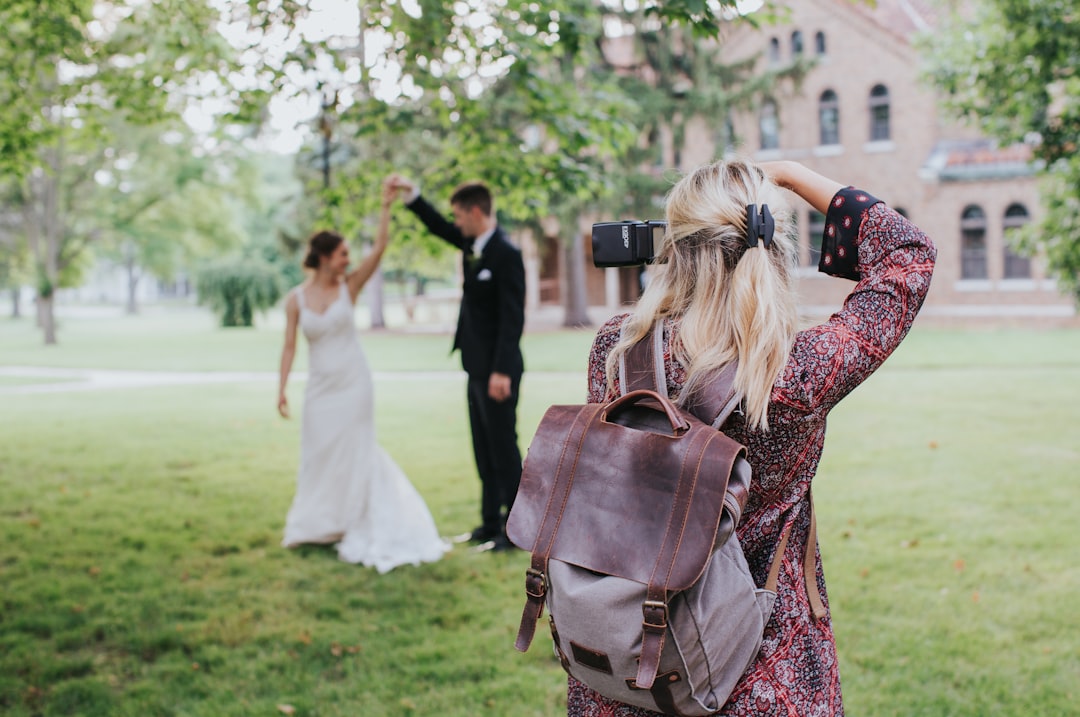
Wedding videography in South Africa ranges from a single-camera recording of the ceremony to a full cinematic production with drone footage, multiple camera angles, a highlight film, a full ceremony cut, and beautifully colour-graded footage delivered months after the wedding. The price range is equally wide — from R5,000 for a part-time videographer using consumer equipment to R80,000+ for a specialist wedding film company with a dedicated editing team. Most couples spend more time choosing their flowers than choosing their videographer, and then spend years regretting it — because unlike flowers, the video is something you watch for the rest of your life. Getting the choice right requires understanding what to look for in a portfolio, what contract terms protect you, and what questions reveal whether a videographer is genuinely capable of delivering what their marketing suggests.
This guide covers how to choose a wedding videographer in South Africa, what the different service tiers look like, what to look for in a portfolio, and what contract terms matter most.
The Three Tiers of Wedding Videography in South Africa
Wedding videography in South Africa generally falls into three tiers, and understanding the differences helps you match expectations to budget:
Entry-level (R5,000–R18,000): Typically a part-time or early-career videographer working alone with a single camera. Coverage of the ceremony and reception highlights. Basic editing in a standard style. Delivery time can be 4–12 weeks. Appropriate for couples who want a record of the day without a production quality requirement. Risk: camera issues or technical failures without a backup camera or second operator are more common at this tier.
Mid-range (R18,000–R45,000): A dedicated wedding videographer or small team with professional camera equipment (full-frame cinema cameras, stabilisers, quality audio recording). Two-camera coverage, a highlight film of 3–8 minutes, a full ceremony cut, and sometimes a full reception cut. Drone footage often included. Colour grading and professional audio mixing. Delivery within 8–16 weeks. This is where most quality wedding videography in South Africa is produced.
Premium (R45,000–R120,000+): Specialist wedding film companies with dedicated directors, camera operators, audio engineers, and post-production teams. Full multi-day coverage possible (rehearsal dinner, getting ready, full wedding day). Cinematic film style, advanced colour grading, bespoke music licensing. Delivery 16–24 weeks. Appropriate for couples where production quality and the final film as an artistic piece is a priority.
How to Evaluate a Portfolio
Every videographer will show you their best work. What to look for beyond the obvious surface appeal:
Consistency across multiple weddings: A single outstanding video could be a good day with ideal conditions. Four or five consistently good films across different venues, lighting conditions, and seasons demonstrates genuine competency. Ask to see three to five complete films, not just a showreel.
Low-light performance: South African wedding receptions typically happen in the evening. How does the videographer's footage look during the first dance and speeches, not just the golden-hour ceremony? Grainy, noisy, or poorly exposed indoor footage is a sign of inadequate equipment or inadequate knowledge of low-light shooting.
Audio quality: Poor audio ruins a wedding film more thoroughly than poor video. Can you clearly hear the vows, the speeches, and the ceremony music? Muffled, distorted, or background-noise-dominated audio indicates inadequate audio recording practices — often a wireless lapel mic on the groom and a camera-mounted mic for general sound is the minimum professional standard.
Editing style match: Wedding video editing styles vary enormously — cinematic storytelling, chronological documentary, emotional-montage driven. Watch the videographer's films and ask yourself honestly: is this the style I want for my wedding? An emotionally manipulative, heavily slow-motioned style might not be what you want if you prefer a clean, documentary approach.
Drone footage quality: If drone footage is offered, how does it look? Shaky, incorrectly exposed, or poorly composed drone footage adds nothing. The drone operator must hold a valid SACAA (South African Civil Aviation Authority) Remote Pilot Licence — ask for it. Flying a drone commercially without a licence is illegal.
What the Contract Must Cover
A verbal booking is not a contract. A signed written agreement protects both parties. Key contract terms:
Deliverables specified in detail: Exactly what do you receive? Highlight film (how many minutes?), full ceremony cut, full speeches cut, getting ready footage? Each deliverable should be named and its approximate duration specified.
Delivery timeline: When will the final edited films be delivered? A realistic timeline for a properly edited wedding film is 8–20 weeks depending on complexity and the videographer's workload. Shorter timelines often mean less editing time. Get the delivery date in the contract — not a vague "as soon as possible."
Backup procedures: If the primary videographer is ill or has an emergency, what happens? A professional videographer has a backup plan — a trusted colleague or second team member. A sole operator with no backup plan is a single point of failure for your entire wedding film.
Equipment backup: Is there a second camera at all key moments? Camera failures happen. A videographer who operates a single camera throughout a ceremony has no footage if that camera fails. Ask about camera redundancy for the ceremony specifically.
Data storage and backup: Wedding footage is irreplaceable. How many copies of the raw footage are maintained during editing? Responsible videographers maintain two separate copies (different drives, different locations) from the moment they return from the wedding. Ask about this specifically.
Payment terms and cancellation: Most videographers require a deposit (30–50%) to hold the date, with the balance due before or on the wedding day. What happens to the deposit if you cancel? What happens if they cancel? This should be in the contract.
Music Licensing
A common issue with wedding videos shared on social media is that the videographer used commercially licensed music without obtaining the licence, and the platforms mute or remove the film after upload. If you intend to share your film on YouTube, Instagram, or Facebook, ask the videographer specifically how they handle music licensing. Properly licensed music (through music licensing platforms like Musicbed, Artlist, or Soundstripe) allows the film to be shared without copyright issues. This is standard practice for professional videographers and worth confirming.
Quick Checklist Before You Book
- Watch three to five complete films from different weddings — not just a showreel
- Check the SACAA Remote Pilot Licence if drone footage is offered
- Ask specifically about audio recording — how many mics, where are they placed?
- Confirm what the backup plan is for equipment failure and for videographer unavailability
- Get a written contract specifying all deliverables, delivery timeline, and payment terms
- Confirm the music licensing approach if you intend to share the film online
- Ask for two references from recent couples — not just testimonials on the website
- Confirm the shooting style is what you want — watch their films with this specific question in mind
Your wedding film is one of the few things from your wedding day that still exists 20 years later. Investing the time to choose a videographer whose portfolio genuinely moves you, whose contract protects you, and whose previous clients are consistently positive about the experience and the final product is time well spent. Reviews on KiesSlim from couples who have received and lived with their wedding films give you the most honest assessment of what working with a particular videographer is actually like from beginning to delivered product.