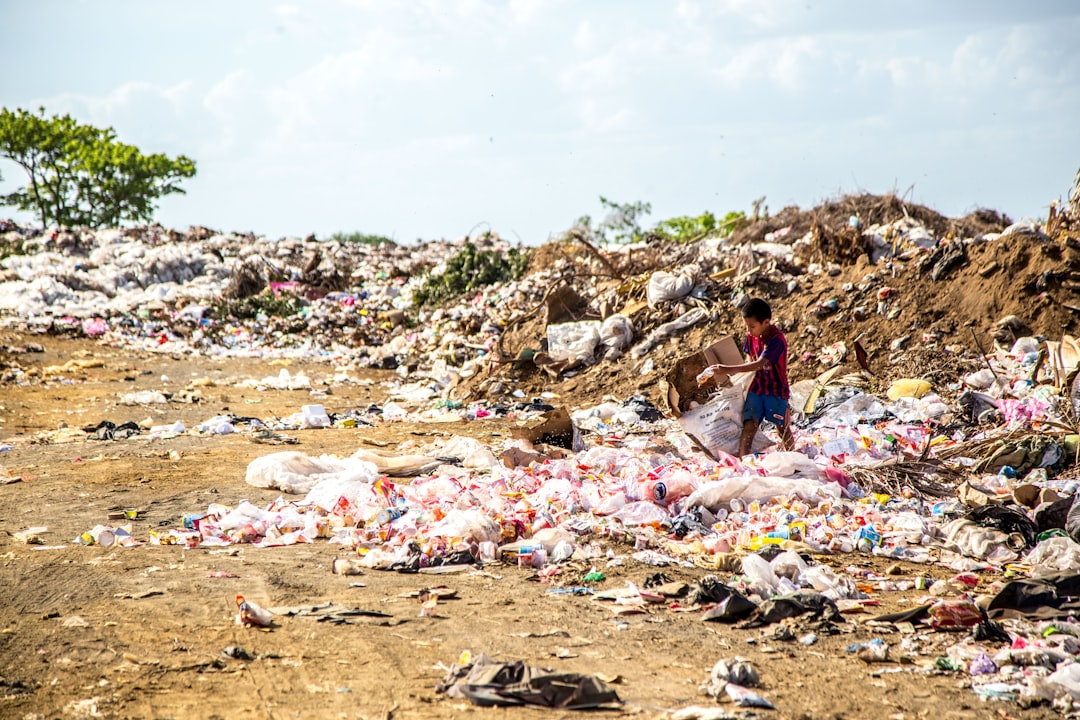
Why Illegal Dumping Is More Than an Eyesore
Illegal dumping sites in South Africa attract rats and other vermin, breed mosquitoes in stagnant water, create fire risks (particularly in dry seasons), and contaminate soil and groundwater. Residents who live near persistent dumping sites experience real health consequences. It is also demoralising — when a site becomes established, it signals to other dumpers that it is an acceptable location, and the volume grows.
Municipalities are legally responsible for addressing illegal dumping on public land. The challenge is that many municipalities respond slowly or ineffectively to reports. Knowing the most effective way to report, and understanding your own options, makes a practical difference.
Reporting to the Municipality
Log the complaint through the official channel most likely to produce a response:
- Your municipality's 24-hour call centre or service portal — use the same channels for potholes and other service delivery complaints. Ask specifically for the waste management or environmental health department.
- Email your ward councillor directly — attach photographs of the dumping with GPS location data. Ward councillors can escalate within the municipality faster than a general call centre report.
- Use the municipality's social media channels (@CityofCT, @CityofJoburg, @EThekwiniM) — a tagged post with photos frequently produces faster response than an internal complaint number.
Always get a reference number. Photograph the site with a date-stamped image before reporting. Follow up if no action is taken within five business days.
What You Can Report Privately
If you can identify who is dumping — a vehicle registration, a business name on signage in the dumped material, an individual observed dumping — this information significantly increases the chances of enforcement action. Report to:
- Your municipality's environmental health inspectorate
- The South African Police Service if the dumping involves hazardous waste, medical waste, or occurs in circumstances that constitute a criminal offence under the National Environmental Management: Waste Act
- The Department of Environment, Forestry and Fisheries for dumping of hazardous materials
Dumping on Private Property
If illegal dumping occurs on your own property, you are responsible for the cleanup costs — not the municipality and not the dumper unless you can identify and successfully sue them. For high-value property or recurring dumping from an identifiable source, a civil claim or interdict is sometimes pursued. More practically:
- Secure the site with a fence or gate if practical
- Install a visible CCTV camera — even a dummy camera reduces dumping at unoccupied sites
- Engage a waste removal company for cleanup — skip hire rates in South Africa are R1,200–R3,000 depending on size and material
Community Action
Persistent illegal dumping on public land that the municipality is not addressing can be tackled at a community level. Organising a community clean-up day with the municipality's support (they provide bags and sometimes collection) temporarily removes the site's established status. Signage, lighting, and community surveillance then reduce the likelihood of re-establishment. Neighbourhood watch groups often coordinate these efforts effectively.
Hazardous Waste
If dumped material includes items that appear to be medical waste (needles, packaging), chemical containers, asbestos, or construction material with white fibrous insulation — do not handle it. Report immediately to your municipality's environmental health department and to the police. Hazardous waste disposal is a regulated activity and must be handled by licensed contractors.