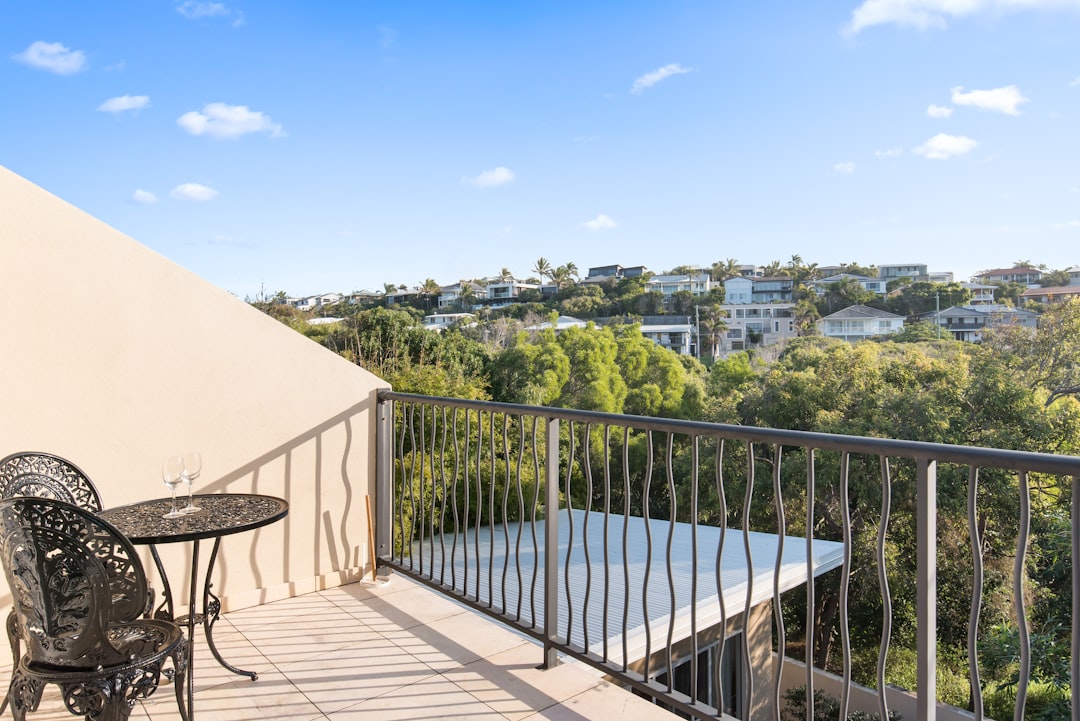
Why Outdoor Entertaining Is Different in South Africa
South Africa's climate makes outdoor living genuinely practical for most of the year across most of the country. A well-designed outdoor entertainment area — whether a simple patio with a braai, or a fully fitted outdoor kitchen with built-in seating and a pergola — is one of the home improvements with the strongest return on quality of life and, in many markets, on resale value.
The design challenge is different here than in European or American contexts. South African summers bring intense heat, UV radiation, occasional hail, and highveld afternoon thunderstorms. Any outdoor space that is going to be genuinely usable rather than aspirationally attractive needs to address these realities in its design.
Start With How You Actually Entertain
Before choosing materials or getting quotes, be honest about how you use your outdoor space. A family that hosts large braais every second weekend has very different requirements from one that wants a quiet morning coffee area and an occasional dinner for four. Questions to work through before you start designing:
- How many people do you typically entertain at once?
- Do you braai frequently, and do you prefer a built-in or freestanding braai?
- Do you want to be able to use the space in rain?
- Is there a pool or garden area you want to connect to?
- Do children use the outdoor area and how does that affect layout?
- How important is privacy from neighbours?
The answers to these questions determine the layout, the size, and the features you should prioritise — and which you can skip entirely.
Shade Is Non-Negotiable
An outdoor area without effective shade is unusable on most South African summer days. Your shade options range significantly in cost and permanence:
- Attached pergola or patio cover — attached to the house, typically timber or steel frame with IBR sheeting, polycarbonate, or thatch. The most popular permanent option. Costs range from R15,000 for a basic steel and IBR structure to R80,000 for a full timber frame with thatch roof.
- Freestanding pergola — useful for creating a separate zone away from the house. Similar materials and cost range.
- Shade sail — a tensioned fabric canopy anchored between posts or walls. Affordable (R3,000 to R12,000 depending on size), attractive, and easy to remove for hail. Less effective in high wind unless properly engineered.
- Retractable awning — motorised or manual, attaches to the house wall. Good for flexible shade. Costs R8,000 to R25,000 depending on size and mechanism.
For year-round use, a permanent structure with partial or full roof coverage is significantly better than a shade sail or awning. If budget is the constraint, prioritise shade over almost any other feature — a shaded space with basic furniture is more useful than an unshaded space with beautiful built-ins.
The Braai Setup
The braai area requires careful planning to avoid problems that are expensive to fix later:
- Position relative to prevailing wind — smoke should blow away from the main seating area and from the house. In most parts of South Africa, westerly winds are most common in summer. A braai on the eastern side of a patio typically solves this.
- Built-in versus freestanding — a built-in braai (brick or steel insert in a built structure) is a permanent feature that adds to the aesthetic and the resale value but costs R8,000 to R25,000 to build properly. A freestanding unit offers flexibility at a fraction of the cost.
- Wood storage — if you braai with wood rather than charcoal or gas, plan a dry, ventilated storage area near the braai. A small built-in niche in the braai structure or a covered rack nearby is far more convenient than hauling wood from a garage.
- Countertop space — a preparation surface next to the braai is one of those features that makes an enormous practical difference and is often an afterthought. Budget for at least 600mm of weather-resistant countertop.
Flooring
Flooring choice affects cost, maintenance, comfort, and aesthetics significantly. Common options for South African outdoor areas:
- Concrete — the most common base. Plain concrete is functional but uninspiring. Exposed aggregate, polished, or painted concrete offers better aesthetics at moderate cost.
- Porcelain or ceramic tiles — popular, easy to clean, and available in a wide range of finishes. Ensure any tile used outdoors has a slip-resistant rating (R10 or higher). Material cost R250 to R600 per square metre, plus laying costs of R150 to R300 per square metre.
- Natural stone — sandstone, slate, and granite are common. Durable and attractive. Sandstone is affordable at R150 to R300 per square metre; granite is significantly more expensive.
- Composite decking — a timber-look board made of wood fibre and plastic. More expensive upfront than wood (R600 to R1,000 per square metre installed) but requires almost no maintenance and does not warp or splinter like real timber.
- Hardwood decking — beautiful, warm underfoot, and beloved in South African outdoor design. Requires annual oiling and is susceptible to warping if the timber is not properly dried or installed. R400 to R800 per square metre installed.
Lighting
Outdoor lighting extends the usable hours of your entertainment area significantly and has a disproportionate impact on ambience. Plan for three types:
- Functional lighting — sufficient illumination for food preparation and movement. Ceiling-mounted or wall-mounted fixtures.
- Ambient lighting — lower-intensity lights that create atmosphere. Dimmable downlights, string lights, or wall lanterns.
- Feature lighting — highlighting plants, a water feature, or architectural elements.
If you are doing any electrical work outdoors, it must be done by a registered electrician and a Certificate of Compliance (COC) must be issued. Do not cut corners on outdoor electrical work — water, heat, and electricity are a dangerous combination.
Working With a Contractor
For a project of any complexity, get three written quotes from established contractors. Give each one the same brief — a simple sketch with dimensions, a list of features, and the materials you have decided on. This makes quotes comparable.
Typical total costs for a mid-range outdoor entertainment area (50 to 80 square metres, permanent shade structure, built-in braai, tiled floor, basic lighting) range from R80,000 to R200,000 depending on the finishing level and your city. A basic patio with shade sail and concrete floor can be done for R25,000 to R50,000.
Pay no more than 30% to 40% upfront. Stagger payments to milestone completions — foundation, structure, finishing. Retain 10% until you have signed off on the completed work with no outstanding defects.
The Bottom Line
Start with function and climate, not with Instagram. A space you can use comfortably for nine months of the year, that serves how you actually entertain, and that handles the rain and the UV will give you far more value than a photogenic design that is too hot to sit in by 10am. Plan the shade first, the braai second, and everything else third.