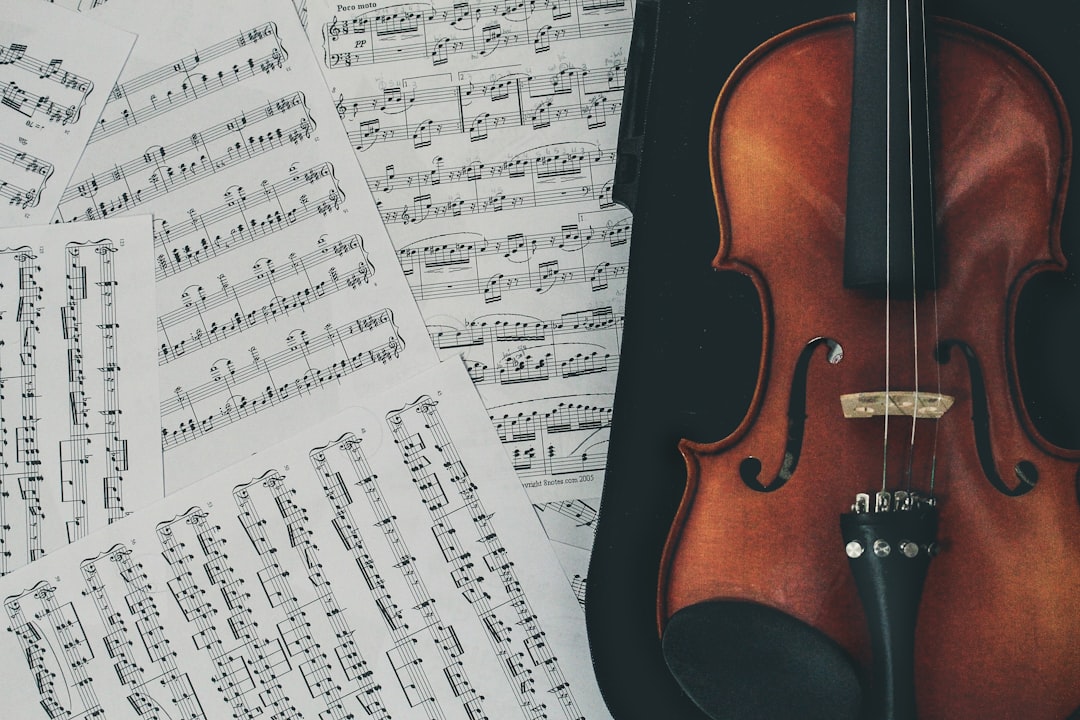
Learning an instrument or developing your voice is a long-term commitment — most students who make meaningful progress do so over years, not weeks. The quality of the teacher you choose at the beginning shapes not just how fast you progress, but whether you develop good technique from the start, whether you enjoy the process enough to persist through the difficult periods, and whether you build a genuine musical understanding or merely a mechanical ability to repeat what you have been shown. Choosing a music teacher deserves more care than most people give it.
This guide covers what formal music qualifications exist in South Africa and what they mean, how to match a teacher's style and experience to your goals, what the first few lessons should feel like, what to watch for in teaching quality, and how to evaluate whether to continue with a specific teacher once lessons have begun.
Qualifications and What They Actually Mean
Music teaching is not a regulated profession in South Africa — anyone can call themselves a music teacher regardless of their formal training. This means qualifications serve as the primary signal of structured musical education, and understanding what the relevant qualifications represent helps you interpret what a teacher's credentials actually indicate.
The most widely recognised formal route for classical instrumental and vocal teaching in South Africa is through the UNISA Music examinations, which run from Grade 1 through Grade 8 and into performer's diplomas. A teacher who holds a UNISA Grade 8 pass in their instrument has demonstrated a formal standard of attainment assessed by an independent examining body. A teacher with a performer's diploma (LTCL, ATCL, DipABRSM, or similar from the Associated Board of the Royal Schools of Music or Trinity College London, both widely recognised in South Africa) has met a higher standard still.
A music degree from a South African university — typically a BMus — is the most comprehensive qualification, covering music theory, history, harmony, aural training, and performance at a tertiary level. A teacher with a BMus and practical teaching experience represents a high qualification baseline for classical, jazz, or contemporary performance teaching.
For contemporary music styles — rock, pop, jazz, worship music — formal qualifications matter less and practical experience matters more. A working professional musician who plays in gigging bands, records, and can clearly demonstrate the skills they are teaching may be more valuable for these goals than a classically trained teacher who does not have first-hand experience in the style you want to learn.
Matching the Teacher to Your Goals
Being clear about your goals before you start searching for a teacher saves time and prevents a poor match. Do you want to learn classical piano for the discipline and formal progression through graded examinations? Do you want to play acoustic guitar at family gatherings? Do you want to understand music theory properly? Do you want to sing in a choir? Do you want to perform on a specific instrument in a band? These are different goals that call for meaningfully different teachers.
A teacher who excels at preparing students for ABRSM examinations is not necessarily the right teacher for someone who wants to improvise jazz or play by ear in a contemporary praise and worship context. A teacher who is excellent for adult beginners may use pedagogical approaches that are less well suited to children under ten. Ask any teacher you consider about their experience with students who have similar goals and similar backgrounds to yours, and ask for examples of students they have taught who achieved those goals.
Also consider the instrument specialisation. A pianist who also teaches guitar as a secondary instrument is not the same as a dedicated guitar teacher whose entire focus and ongoing development as a performer and teacher is centred on the instrument. For serious students, working with a teacher whose primary instrument matches yours is preferable.
What Good Lessons Look Like
A good music lesson is not simply a teacher demonstrating and a student trying to replicate. It involves the teacher actively diagnosing what is limiting the student's progress, providing specific and actionable feedback, setting clear goals for each lesson and for the practice period between lessons, and adjusting the teaching approach when a particular method is not working for that student.
Good teaching is specific. "That did not sound right — try it again" is not feedback. "Your bow arm is too tense here, which is causing the tone to thin out — try releasing your elbow as you draw the bow across" is feedback a student can act on immediately. The specificity and accuracy of a teacher's in-session feedback is one of the clearest indicators of their level of expertise and their investment in the student's development.
The balance of time in a lesson matters. A 30-minute lesson that involves 20 minutes of the teacher talking and 10 minutes of the student playing is not a good use of lesson time. Playing, receiving feedback, making a specific adjustment, and playing again is the fundamental cycle of instrumental skill development. Look for lessons where the student is actively engaged in this cycle rather than passively receiving instruction.
A good teacher also sets clear, achievable goals for home practice. Students who leave a lesson knowing exactly what to practise, how to practise it, and how to self-assess whether they are doing it correctly will make much faster progress than students who leave with a vague instruction to "practise pages 3 to 5."
Questions to Ask Before You Commit
What qualifications do you hold in [specific instrument or voice], and when did you last perform? The last part of this question matters — a teacher who continues to perform maintains a living relationship with the technical and musical challenges of the instrument that benefits their students.
What is your experience teaching students at my level and with similar goals? Experience with the specific student profile — age, goals, current level — is more relevant than total years of teaching.
How do you structure lessons for a beginner versus an intermediate student? Their answer tells you whether they have a coherent pedagogical approach or whether they teach by feel without a structured progression.
Do you prepare students for examinations, and which examining body do you use? For students who want formal progression through a graded examination system, this is practically important.
What do you expect from students between lessons, and how do you structure home practice? A teacher who can answer this clearly has thought seriously about the practice-lesson cycle. One who says "just practise as much as you can" has not.
Red Flags to Watch For
A teacher who never plays themselves during lessons. Demonstration is a fundamental pedagogical tool in music teaching. A teacher who cannot or will not demonstrate the technique or musical idea they are asking you to execute may be hiding limited capability on the instrument.
Lack of structure or progression. After several lessons, you should have a clear sense of where you are in a learning sequence and where you are heading. If every lesson feels like an isolated event with no through-line, the teacher is not providing a coherent learning programme.
No feedback on technique — only on accuracy. Playing the right notes is a necessary but insufficient goal. How you produce sound — posture, hand position, embouchure, breath support — determines both the quality of what you play and whether you can improve without injury. A teacher who focuses only on whether you played the right notes is missing the most important part of technical development.
A teacher who discourages or dismisses questions. Music learning involves a great deal of "why does this work this way" — why certain fingerings, why certain bow strokes, why certain chord progressions. A teacher who discourages these questions is limiting your musical understanding, not just your technical skill.
Trial Lessons and How to Use Them
Many South African music teachers offer a trial lesson at a reduced rate or for free. Use this opportunity deliberately — not just to decide whether the teacher is "nice," but to assess specific things: the quality of their feedback during the lesson, whether they can clearly diagnose a technical problem you present, whether you feel engaged and energised by the end of the lesson, and whether their explanations make sense to you.
It is entirely acceptable to try two or three teachers before committing. The teacher-student relationship in music is a long-term one, and finding a teacher whose approach, personality, and level of expertise matches your needs is worth the time of a few trial sessions.
Quick Checklist Before You Start
- Clarify your specific goals before searching — style, level, examination track, or recreational playing
- Ask about qualifications relevant to the instrument and style, and when the teacher last performed
- Use a trial lesson to assess feedback quality, not just rapport
- Match the teacher's experience profile to your age, level, and goals — not just to the instrument
- Ask how they structure home practice guidance — this is where most of the learning happens
- Look for specific, actionable feedback during the lesson rather than vague encouragement
- Do not commit to a long package of lessons before experiencing at least one or two sessions
- Check reviews from other students and parents — consistent long-term students are the strongest indicator of teaching quality
The right music teacher changes the trajectory of a student's musical life. Getting to the right person early — before bad habits are embedded and before enthusiasm is dulled by uninspiring lessons — is worth the extra effort in the search. Reviews from South Africans who study or whose children study with local music teachers are one of the most reliable ways to identify teachers who genuinely produce results. KiesSlim makes it easy to find and compare music teachers near you based on real student and parent experiences.