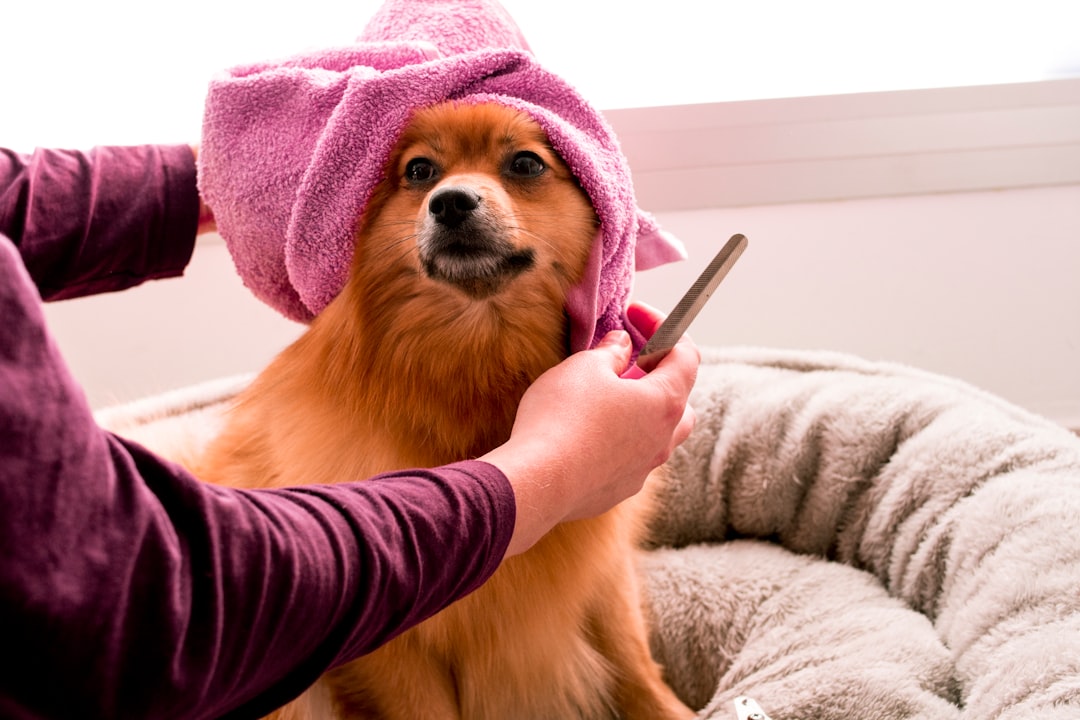
Your pet can't tell you whether they felt safe, whether the groomer handled them gently, or whether the facility smelled of disinfectant or something worse. That places the entire responsibility for assessing a groomer on you — and it's a more consequential assessment than it might appear. In South Africa, pet grooming is entirely unregulated: anyone can open a grooming salon without any training, qualification, or inspection. The results range from professional and caring to genuinely traumatic for the animal. The difference is almost always visible in a few specific signals before you book.
This guide covers how to assess a grooming facility before you leave your pet there, what breed-specific experience matters, how to read handling methods, what special consideration anxious or reactive pets require, and the warning signs that should make you find someone else.
Visit the Facility Before You Book
The most important step in choosing a pet groomer is visiting the salon before your pet's first appointment. Many groomers welcome this and see it as a sign of a responsible owner. A facility that discourages or refuses an inspection visit has a reason for not wanting you to see it — and that reason is almost always something you'd want to know about.
During the visit, look at cleanliness: are the tables, cages, and equipment clean? Is there a strong smell of urine, faeces, or stale water that suggests inadequate cleaning between clients? Is the grooming area well-ventilated? Are animals being housed in appropriately sized crates or kennels if they need to wait between grooming stages? Are the animals you see in the salon calm and uninjured, or showing signs of distress?
Equipment matters too. Grooming tables should have non-slip surfaces and restraint loops that prevent a dog falling off while being groomed — a fall from a grooming table is a common source of injury at substandard facilities. Clipper blades and scissors should look clean and maintained. Dryer equipment should be set at appropriate temperatures — heat burns from high-velocity dryers set too close are a real risk, particularly for dense-coated breeds.
Breed-Specific Experience and What It Means in Practice
Different breeds have genuinely different grooming requirements — not just aesthetically, but technically. Double-coated breeds like Huskies and German Shepherds require specific drying techniques to prevent hot spots. Wire-haired breeds like Schnauzers and Airedale Terriers should be hand-stripped rather than clipped if the coat texture is to be maintained. Breeds with dense or tightly curled coats like Poodles and Bichon Frises need specific cutting techniques to avoid matting problems. Flat-faced (brachycephalic) breeds like Bulldogs and Pugs require particular care during grooming because they overheat easily and can have respiratory distress if handled roughly or dried improperly.
Ask specifically whether the groomer has experience with your breed and how frequently they work with it. Ask what their approach is to your specific breed's coat type. A groomer who answers vaguely or suggests all dogs are essentially the same to groom hasn't encountered the full range. A groomer who talks specifically about your breed's requirements without prompting is demonstrating genuine knowledge.
For working dogs, show dogs, or dogs whose coat condition is particularly important to you, ask whether the groomer has any formal training — the City and Guilds Dog Grooming qualification is one internationally recognised certification, and the South African Veterinary Grooming Association (SAVGA) promotes professional standards in the South African market. Neither is mandatory, but formal training signals a commitment to skill development beyond on-the-job learning only.
Handling Methods and Anxiety in the Grooming Environment
Grooming is an inherently stressful experience for many dogs. Being restrained, having their ears, mouth, and paws handled, enduring loud dryers and clippers, and being in an unfamiliar environment with other animals all stack up. How a groomer handles a stressed or anxious dog is the most important quality indicator you can assess.
Ask how the groomer handles a dog that becomes anxious or reactive during grooming. The answer should describe calm, low-force handling techniques, the use of desensitisation where needed, and a willingness to take breaks or work in stages for very anxious animals. An answer that describes restraint through force, muzzling as a first resort, or a preference for "getting it done quickly" regardless of the animal's stress level is not a good answer.
For dogs known to be anxious about grooming, ask whether the groomer offers shorter, more frequent sessions to build familiarity rather than full grooms that push the animal to its limit. Some groomers specialise in anxious dogs and use cooperative care techniques — these groomers are worth finding even if they charge a premium, because the alternative is a dog that associates grooming with fear and becomes progressively harder to manage.
Understanding Pricing and What Affects It
Grooming prices in South Africa vary by breed, coat condition, size, and location. A rough price guide for a standard groom (bath, dry, trim, nails, ear cleaning) ranges from R200–R400 for small breeds to R400–R800 for large or double-coated breeds. Prices are higher in urban areas and premium salons. Mobile grooming services typically charge R100–R200 above salon prices to cover travel and the convenience of in-home service.
Several factors legitimately increase the price: a coat that is severely matted (de-matting is time-intensive and sometimes impossible without shaving); a dog that requires two handlers due to reactivity; a breed with particularly time-intensive grooming requirements; and first-time clients where the groomer doesn't know the dog's behaviour. Ask upfront whether any of these factors apply to your dog and whether they affect the quoted price — surprises on the invoice after collection are a common complaint.
Be cautious of very low prices. Grooming requires skill, time, and equipment. A groomer charging significantly below market rate is either very new to paid work, using inadequate equipment, or rushing through appointments in a way that affects quality and safety. The cheapest option in a category where your animal's wellbeing is at stake deserves the most scrutiny.
After the Groom — What to Check When You Collect
When you collect your pet, do a quick physical check before you leave: look for any new cuts, razor burns, or redness around sensitive areas (ears, paws, groin). Check the ears — if they smell differently after grooming or the dog is shaking their head, report it immediately. Check that nails have been trimmed and that none are cut into the quick. If you notice anything concerning, raise it with the groomer before leaving the facility. A professional groomer will take concerns seriously and investigate; a defensive or dismissive response is a red flag for future visits.
Quick Checklist Before You Book
- Visit the facility before your pet's first appointment — assess cleanliness, smell, and how current clients look
- Ask specifically about experience with your breed and its coat type
- Ask how they handle anxious or reactive dogs — the answer matters more than price
- Confirm what a full groom includes and what triggers an additional charge
- Ask about their equipment — non-slip tables, appropriate dryer settings, clean blades
- Check whether the groomer has any formal training or SAVGA membership
- Do a physical check of your pet immediately on collection before leaving
- Ask whether shorter familiarisation sessions are available if your pet has grooming anxiety
A good groomer is someone your pet eventually doesn't dread going to — that's the real benchmark. KiesSlim lists pet groomers across South Africa with verified customer reviews, and the most valuable feedback from other pet owners focuses on how their animals behaved during and after the session, not just whether the cut looked nice.