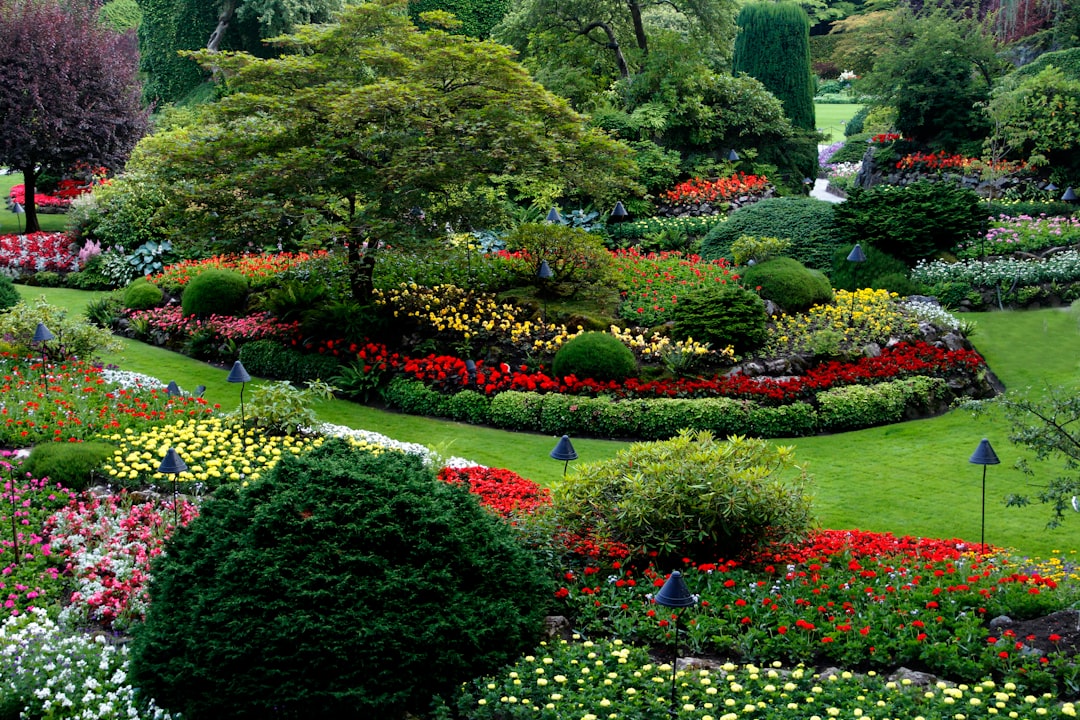
A garden that looks neglected costs you kerb appeal and enjoyment, while a garden project gone wrong — the wrong plants, a drainage problem created by poor grading, or an irrigation system installed without proper design — can cost tens of thousands of rands to fix. In South Africa the garden services industry is almost entirely unregulated, which means anyone with a bakkie and a lawnmower can call themselves a landscaper. Finding someone who genuinely knows what they're doing requires asking the right questions before you hand over a deposit.
Maintenance vs Landscaping — Know What You're Hiring For
Garden services in South Africa divide broadly into two categories: regular maintenance (mowing, pruning, fertilising, weeding) and landscaping (design, installation, hard landscaping, irrigation). These are different skill sets and different types of engagement, and conflating them leads to disappointed expectations on both sides.
For regular maintenance, the key factors are reliability (does the crew show up on the agreed schedule?), the equipment they use, and whether they understand what they're maintaining. A maintenance crew that trims all shrubs into identical balls without understanding the plant's natural form is the visual equivalent of a bad haircut — it takes months to recover. Ask specifically what maintenance they include per visit: does it cover weeding, edging, pruning, leaf clearing, and fertilising on a schedule, or just mowing?
For a landscaping project, you're hiring design knowledge as much as labour. A landscaper who can assess your soil type, drainage, sun aspects, and plant selection for your climate zone produces results that establish well and require lower maintenance long-term. One who plants what's available cheaply at the nursery produces something that may look fine for a season and then struggle. Before accepting any landscaping quote, ask the contractor to walk you through their plant selection rationale for your specific site and climate.
Qualifications and What They Signal
There is no mandatory licensing for garden services or landscaping in South Africa. However, formal qualifications do exist and are worth asking about, particularly for larger projects. The South African Landscapers Institute (SALI) is the professional body for the industry — membership indicates a commitment to professional standards and provides a complaints mechanism. Ask whether the contractor is a SALI member or can demonstrate equivalent training.
For irrigation installation specifically, the Irrigation Association of Southern Africa (IASA) provides accreditation for irrigation designers and installers. An irrigation system installed without design knowledge commonly results in uneven coverage, water-logging in some areas and dry patches in others, and poorly specified components that fail prematurely. If you're having irrigation installed as part of a landscaping project, ask specifically about the contractor's irrigation credentials.
For any electrical components — lighting, automated irrigation controllers, borehole pumps — the work must be done by a registered electrician and accompanied by a Certificate of Compliance. This is a legal requirement in South Africa regardless of whether the electrical work is indoors or outside. A landscaper who does their own electrical work without a COC is creating a liability and insurance problem for you as the property owner.
Water-Wise Design in a South African Context
South Africa is a water-scarce country, and several major metros — Cape Town, Gqeberha, and parts of Gauteng — have experienced or are experiencing meaningful water restrictions. A garden designed without water efficiency in mind creates an ongoing cost and a maintenance burden that becomes a liability during drought periods.
Ask any landscaper you're considering whether they design with water-wise principles. This means selecting plants appropriate to your region's natural rainfall patterns, grouping plants with similar water requirements, using mulch to reduce evaporation, and — where irrigation is included — designing zones that deliver water precisely rather than broadly. Indigenous and endemic plants are generally better adapted to local conditions than exotic species and typically need less supplemental irrigation once established.
Western Cape properties specifically operate under municipal water restrictions that limit irrigation days and hours in summer. A landscaper operating in this region who isn't designing for these constraints is either unfamiliar with local conditions or not thinking long-term on your behalf. Any garden irrigation system in the Western Cape should include a rain sensor and a smart controller that adjusts schedules based on weather data — these are not luxuries but basic water management in a restricted environment.
Getting Quotes That Are Worth Comparing
For ongoing maintenance, ask for a monthly quote that specifies exactly what is included per visit, the frequency of visits, and what falls outside the scope (tree pruning, seasonal planting, pest treatment). An all-in monthly quote that doesn't itemise is difficult to compare and leaves room for scope disagreements once the contract is running.
For a landscaping project, get at least three quotes and ensure they're quoting on an identical brief. Your brief should specify: the area to be landscaped, the style you want, whether irrigation is included, any specific plant preferences or exclusions, any hard landscaping (paving, walls, water features), and the completion timeline. A quote produced without a site visit is a guess — any serious landscaper visits before quoting. A quote arrived at without measuring the site properly will almost certainly have cost surprises mid-project.
Ask each contractor to specify the plants they intend to use and their pot sizes at installation. A landscaping quote can look similar in headline price while one contractor plans to install 5-litre plants (which take years to mature and look sparse initially) and another plans to install 20-litre plants that establish quickly and provide immediate coverage. Pot size is a major cost driver and a major determinant of how the garden looks in the first two years.
Deposit Structure and Protecting Your Investment
Advance payment disappearances are common in garden services — a contractor takes a large deposit for plants and materials and then delivers either nothing or a fraction of the promised work before becoming unreachable. A reasonable deposit for a landscaping project is 30–40% to cover initial material procurement. The balance should be tied to project milestones: a payment on completion of hard landscaping, a payment on planting completion, and a final retention of 10–15% held for 30 days after handover to cover any plants that fail to establish.
Ask specifically whether the contractor offers any establishment guarantee — a commitment to replace plants that die within a defined period (typically 30–90 days) due to installation error or incorrect plant selection. A confident, experienced landscaper will offer this without hesitation because they know their plant selection and installation methods are sound. One who resists a basic establishment warranty is communicating something about their confidence in the work.
Red Flags Before You Hire
A crew that arrives in an unmarked vehicle with no business name or contact details. No written quote — only a verbal price. A very large deposit requested before any materials are on site. Can't show previous completed projects in a similar style. Resistance to any plant establishment guarantee in writing. Electrical work in the quote with no mention of a Certificate of Compliance. A generic plant list with no explanation of why those species suit your specific site conditions.
Quick Checklist Before You Hire
- Visit a previous completed project if possible — not just photos, but an actual installed garden
- Ask about SALI membership or equivalent formal training for landscaping work
- For irrigation installation, ask about IASA accreditation
- Get quotes on an identical written brief — at least three for any project over R15,000
- Ask the contractor to specify plant species and pot sizes in the quote
- Confirm that any electrical components will come with a Certificate of Compliance
- Limit the deposit to 30–40% and tie balance payments to completion milestones
- Ask for an establishment guarantee in writing — 30 to 90 days is standard
The most revealing question you can ask a garden service is to show you work they've done that's more than a year old — that's when the quality of plant selection and installation becomes apparent. KiesSlim lists garden services and landscapers across South Africa with verified customer reviews, so you can see what previous clients say about the finished result and whether the team delivered on what they promised.