Take It Seriously — It Is a Health Risk
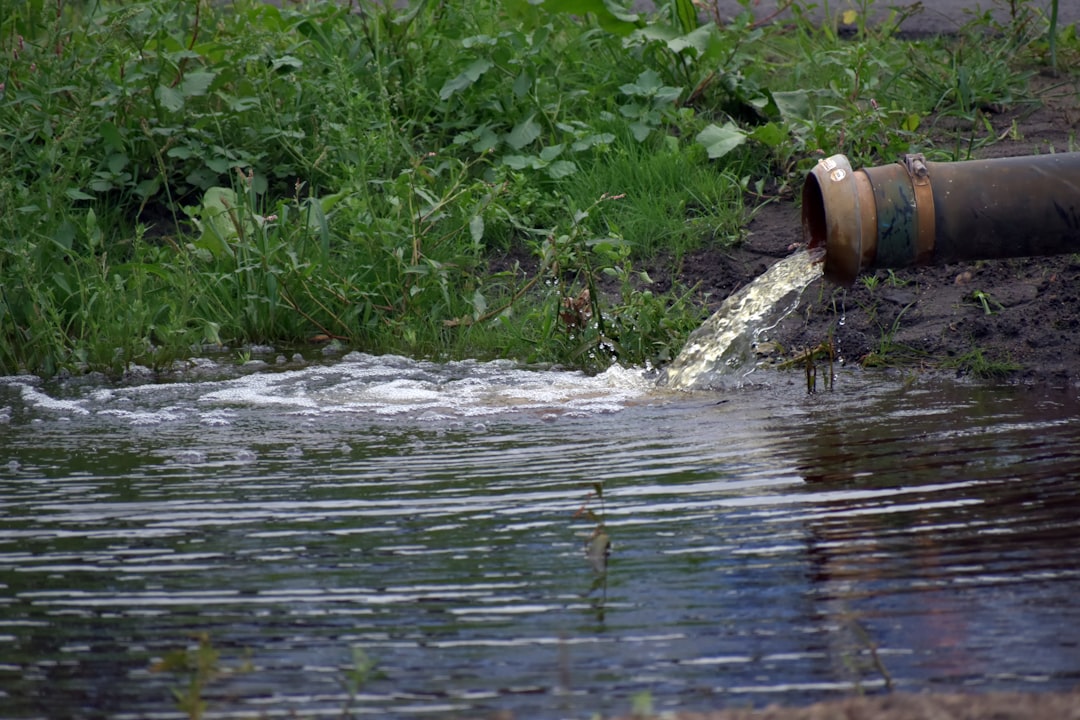
Raw sewage contains bacteria, viruses, and parasites that cause serious illness: E. coli, salmonella, hepatitis A, and numerous others. A sewage overflow is not a plumbing inconvenience to manage casually — it is a health hazard that requires prompt, careful handling and thorough disinfection.
Immediate Steps
- Stop using all water outlets in the house. Flushing toilets, running taps, or using the shower adds to the overflow. Stop all water use immediately.
- Keep people and pets away from the affected area. Restrict access until cleanup is complete.
- Do not attempt to unblock the drain while waste is actively overflowing. Wait for the level to recede or call a plumber immediately.
- Open windows and doors in the affected area to ventilate.
- Photograph the damage before any cleanup — this is required for an insurance claim.
What Causes Sewage Overflow
The most common causes in South African homes:
- Blocked drain or sewer line — build-up of grease, wet wipes (the single most common cause in South African sewers), sanitary products, food waste, or root intrusion from trees growing into old clay pipes
- Municipal sewer blockage or backup — if multiple properties in your street are affected, the blockage is in the municipal main sewer. Report immediately to the municipality.
- Full or blocked septic tank — if you have a septic tank that has not been pumped recently, overflow through inspection chambers or ground saturation in the drain field is a sign of a full tank
- Damaged pipe — collapsed or cracked sewer pipe causing blockage or slow flow
Clearing the Blockage
For a blocked drain without overflow, a drain unblocker chemical or a plunger may resolve minor blockages. For a sewage overflow, do not attempt to unblock with chemicals — this does nothing for solid blockages and adds caustic chemicals to the sewage you are trying to contain.
Call a plumber or drain specialist immediately. They will use a high-pressure water jetter or electric eel (drain snake) to clear the blockage. CCTV drain inspection (available from most plumbing companies) identifies the exact location and nature of the blockage — worth doing for a recurring problem, to assess root intrusion, or to check pipe condition in an older property.
Cleanup and Disinfection
After the blockage is cleared:
- Wear rubber gloves, rubber boots, and an N95 mask during cleanup
- Remove all soaked materials (carpets, rugs, soft furnishings) that cannot be thoroughly disinfected — these should be discarded
- Mop up all liquid waste and dispose of mop water into the sewer (not into the garden)
- Wash all hard surfaces with a strong disinfectant solution (bleach at 1:10 dilution, or a commercial disinfectant rated for sewage)
- Wash hands thoroughly after cleanup, even with gloves on
- If the overflow reached food preparation surfaces or the contents of a refrigerator, discard the food
Insurance
Household insurance typically covers resultant damage from a sudden and accidental sewage overflow (damaged flooring, walls, contents), but may exclude damage from a slow leak or gradually developing blockage. Contact your insurer before beginning major cleanup. A sudden burst pipe or collapsed drain that caused the overflow is more likely to be covered than a gradually blocked system that eventually backed up.
Prevention
- Never flush wet wipes, nappies, sanitary products, or cotton wool — "flushable" wipes are not safe for South African sewer systems
- Keep kitchen fat and grease out of drains — dispose in the bin
- Pump your septic tank every three to five years
- Have your drains CCTV inspected if you live in a property older than 30 years with clay pipes — proactive inspection identifies root intrusion before it causes overflow