Why Aircon Maintenance Gets Neglected — and Why That Is Expensive
Air conditioners are one of those appliances people tend to run until they fail. Unlike a car that has a service light, a split unit or ducted system gives no obvious warning as it gradually becomes less efficient, more expensive to run, and harder on its components. Regular maintenance prevents most aircon breakdowns, extends the lifespan of the unit significantly, and keeps energy consumption at the level it was designed for rather than the inflated level that comes from dirty filters and coils.
In South Africa's highveld and coastal climates, air conditioners often run for eight to ten months of the year. That usage intensity makes maintenance more important, not less.
What You Can Do Yourself — Monthly
The most important owner-level maintenance task is cleaning the indoor unit's air filters. On most split units, the filters are accessible by opening the front panel of the indoor unit. They slide out and can be washed under running water, left to dry completely, and reinstalled.
How often: every two to four weeks during heavy use, monthly during light use. A clogged filter restricts airflow, forces the unit to work harder, reduces cooling efficiency, and can cause the evaporator coil to ice up — which leads to water dripping from the indoor unit.
While the cover is open, check the condensate drain pan for standing water or mould. A small amount of moisture is normal; standing water indicates a blocked drain.
Also wipe down the indoor unit's exterior grilles and vents with a damp cloth to remove dust buildup on the louvres.
What You Can Do Yourself — Seasonally
At the start of each cooling or heating season:
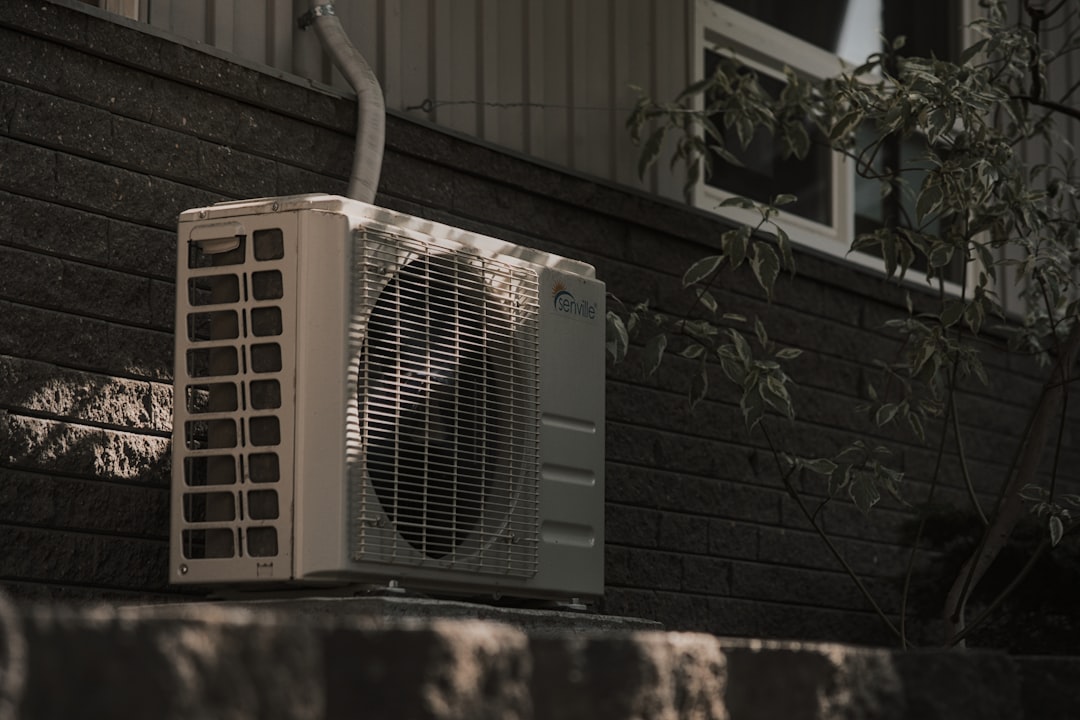
- Check the outdoor unit — clear any vegetation, leaves, or debris from around the condenser unit. The outdoor unit needs at least 30cm of clear space on all sides for adequate airflow. Trim back any plants that have grown around it.
- Inspect the condensate drain line — the drain pipe that carries condensate water away from the indoor unit can become blocked with algae or debris over time. Pour a small amount of diluted bleach (one tablespoon per cup of water) down the drain pipe annually to prevent buildup.
- Check the refrigerant lines — the insulated copper pipes running between the indoor and outdoor unit should be fully covered with intact insulation. Cracked or missing insulation allows heat gain on the lines and reduces efficiency.
- Test the unit before peak season — run the system for 15 minutes in both cooling and heating mode before you need it seriously. Address any issues while service companies are less busy than during a heatwave.
What Requires a Qualified Technician — Annually
An annual professional service should cover items that require specialised tools and qualifications:
- Coil cleaning — both the evaporator coil (indoor unit) and condenser coil (outdoor unit) accumulate fine dust and biological matter that household cleaning cannot address. A technician uses a coil cleaning spray and low-pressure rinse to restore heat transfer efficiency. Dirty coils are one of the most common causes of reduced cooling capacity.
- Refrigerant pressure check — low refrigerant (often called "gas") is a common cause of poor cooling. Refrigerant does not deplete normally — if the pressure is low, there is a leak somewhere in the system. A qualified technician can check the pressure, identify leaks, and top up refrigerant where legally permitted. Note: handling refrigerants requires an F-Gas or equivalent qualification in South Africa.
- Electrical connections — the technician should check and tighten all electrical terminals inside both units. Loose connections cause arcing, component failure, and fire risk over time.
- Blower fan inspection — the indoor blower fan accumulates dust on its blades. A dirty blower fan reduces airflow significantly and in some cases causes vibration and noise. Professional cleaning restores performance.
- Condensate pump (where fitted) — some installations use a condensate pump to remove water. The pump should be tested and the reservoir cleaned annually.
Annual professional servicing typically costs R600 to R1,500 per indoor unit depending on the service scope and the city. For a household with two or three split units, this is a modest investment relative to the alternative — a major refrigerant leak or compressor failure that can cost R8,000 to R20,000 to repair.
Signs Your System Needs Attention Now
Do not wait for the annual service if you notice any of these:
- Reduced cooling or heating capacity — the unit runs but does not reach the set temperature
- Water dripping from the indoor unit onto the wall or floor
- Unusual noises — rattling, grinding, or squealing
- Musty or mouldy smell from the aircon when running
- Ice forming on the indoor unit or the refrigerant lines
- The outdoor unit's fan not running when the system is on
- A significant increase in electricity consumption without a change in usage
Mould — a Health Issue Worth Taking Seriously
Air conditioners that are not cleaned regularly become breeding grounds for mould and bacteria. The musty smell many South African households notice when turning on an aircon after a period of non-use is almost always mould on the evaporator coil or in the drain pan. This gets blown directly into the living space and can aggravate respiratory conditions, particularly in children and the elderly.
If your unit has a persistent musty smell that does not clear after filter cleaning, a professional coil clean and disinfection treatment is necessary. Some technicians offer an antimicrobial fogging treatment that suppresses mould regrowth for six to twelve months.
Choosing a Technician
Use a company or technician registered with the South African Refrigeration and Air Conditioning Contractors Association (SARACCA). Ask specifically what the annual service includes — some companies offer a very basic filter clean and charge full service prices. A proper service should include coil cleaning, refrigerant pressure check, electrical inspection, and drain clearing as a minimum.