South African electricity bills are among the most confusing documents a household receives — and with tariff increases running ahead of inflation for years, getting the billing wrong is expensive. Errors are more common than most people realise: estimated readings, incorrect tariff categories, and billing for a previous tenant's consumption all appear on real accounts. Understanding your bill is the first step to catching these errors and disputing them before they accumulate into arrears you did not actually owe.
This guide walks through the structure of a typical South African electricity bill, whether you are billed by Eskom directly or through a municipality. It covers what each line item means, how to check whether your reading is actual or estimated, how time-of-use tariffs work, and what to do when you believe there is an error.
Who Bills You — Eskom or Your Municipality
In South Africa, most urban and suburban households are billed by their municipality, which buys electricity in bulk from Eskom and resells it at municipal tariffs. Rural households and some peri-urban areas are billed directly by Eskom. This distinction matters because tariff structures, dispute processes, and contact points are different.
Your bill header should clearly state who the billing entity is. If it says your municipality, your tariff schedule is set by that municipality and approved by NERSA (National Energy Regulator of South Africa). Each municipality sets its own tariffs, which is why electricity in Johannesburg can differ meaningfully from Cape Town. If you are an Eskom direct customer, your tariff schedule is one of Eskom's standard residential categories.
Prepaid meters bypass the billing system entirely — you buy units in advance and the meter tracks consumption. If you have a prepaid meter, your concern is getting full value for what you buy, and checking that the tariff per unit is correct when you recharge.
Understanding the Line Items on a Conventional Bill
Most South African electricity bills have the same core components, though the labels may differ between municipalities.
Fixed charge / basic charge: A monthly flat fee you pay regardless of how much electricity you use. This covers infrastructure costs. It typically appears as a fixed rand amount.
Energy charge: The main consumption charge, calculated by multiplying your units used (kWh) by the applicable tariff rate. Most residential tariffs are block tariffs — the first block of units (often 0–350 kWh or 0–600 kWh) is charged at a lower rate, with consumption above that threshold billed at a higher rate. Your bill should show each block separately.
Network demand charge: Some tariffs include a demand charge based on your peak consumption during the month, not just total units. This is more common in business tariffs but appears on some large residential accounts.
VAT: Applied at 15% to the total of the above charges.
Meter reading date and reading type: Critical. Look for whether the reading is marked "actual" (a real meter reading was taken) or "estimated" (the utility calculated your usage based on historical patterns). Estimated readings are reconciled when an actual reading is taken, but they can cause significant billing spikes if estimates have been too low for several months.
How to Check Your Own Meter Reading
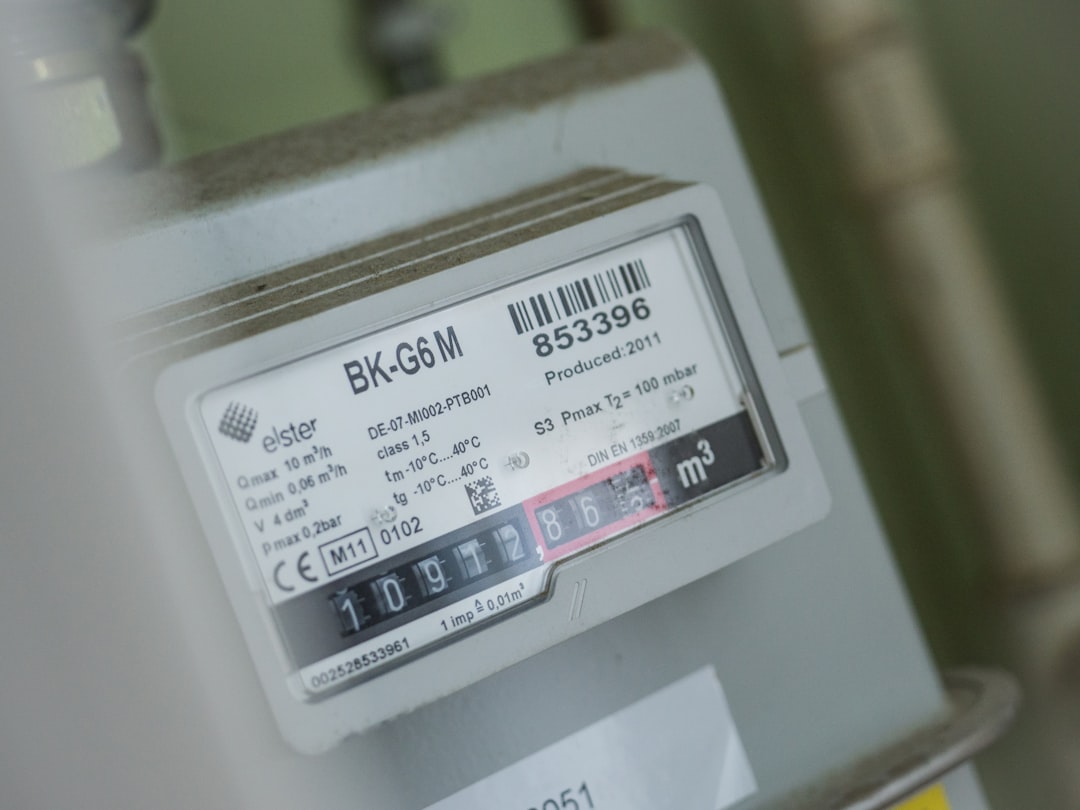
Your electricity meter is almost always accessible — on an external wall, in a meter box, or in a communal meter room in a complex. Read it yourself before or on your billing date each month and compare it to the reading on your bill.
For analogue meters, read the five dials from left to right. For each dial, record the lower of the two numbers the pointer is between (except when the pointer is exactly on a number, in which case record that number only if the dial to its right is at 9 or above). For digital meters, simply read the displayed number.
Your consumption is the difference between this month's reading and last month's reading. Multiply by your applicable tariff rate. If the calculated amount differs significantly from your bill, you likely have an estimated reading discrepancy or a billing error worth investigating.
Take a photograph of your meter each month with the date visible. This creates a timestamped record that is invaluable if you need to dispute a reading later.
Identifying Common Billing Errors
These are the most frequent billing problems South African households encounter.
Accumulated estimated readings: If your meter has been estimated for several months and was underestimated, you will receive a large reconciliation charge when an actual reading is finally taken. This is legal but often surprising. Your bill should show the reading history — check whether previous months were estimated.
Wrong tariff category: If a previous owner or tenant registered the property under a business tariff (which may be higher), or if you qualify for a subsidised lifeline tariff but are billed at the standard rate, you are overpaying. Contact your municipality to confirm your tariff category.
Billing for a previous occupant's arrears: This is illegal but happens. If you moved into a property and start receiving bills that include debt from before your occupancy date, dispute it immediately and provide your lease or transfer documents.
Incorrect block calculation: If your bill shows all consumption billed at the higher block rate when part of it should be at the lower rate, the calculation may be wrong — particularly on accounts that span multiple months due to late reading.
How to Dispute an Incorrect Bill
Start with a written query to your municipality's billing department or Eskom customer care. Include your account number, the specific charge you are disputing, your own meter reading with a dated photograph, and your calculation of what you believe the correct amount is.
Municipalities are required to respond to billing disputes and may not disconnect your electricity during an investigation if you have lodged a formal dispute and continue paying the undisputed portion of your account. Get a dispute reference number in writing.
If the municipality does not resolve your dispute within a reasonable time, escalate to the National Energy Regulator of South Africa (NERSA) or the Public Protector if the matter involves government administration. For Eskom direct customers, the Eskom Customer Care escalation process applies.
Quick Checklist for Your Next Bill
- Check whether your reading is marked actual or estimated — estimated readings can accumulate silently
- Read your own meter and compare the consumption figure to what the bill shows
- Confirm your tariff category is correct for your usage type (residential, not business or commercial)
- Check the block rate calculation — ensure lower-rate blocks are applied to the correct portion of consumption
- Photograph your meter each month with the date visible
- If you moved in recently, confirm no arrears from a previous occupant appear on your account
- Lodge billing disputes in writing and request a reference number before paying the disputed amount
- If wiring or metering issues are suspected, have a registered electrician inspect before disputing
If you believe a metering or wiring fault is causing abnormal consumption, a registered electrician can inspect and provide a report — KiesSlim makes it easy to find qualified electricians in your area with real reviews from other homeowners.