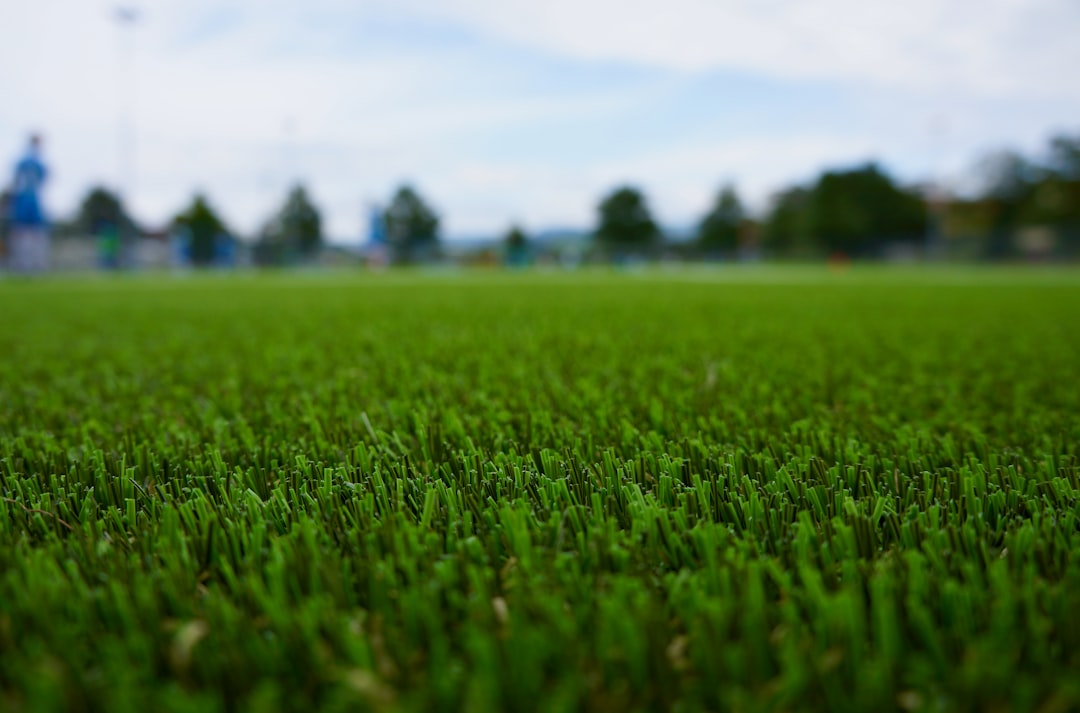
Why Artificial Grass Has Become Popular in South Africa
Water restrictions, extended droughts, and the general difficulty of maintaining a healthy natural lawn in South Africa's harsher climates have driven significant growth in artificial grass installations. From Johannesburg's dry winters to Cape Town's summer water restrictions, the appeal of a green, maintenance-free lawn is straightforward.
Modern artificial grass products are considerably better than earlier generations — softer underfoot, more realistic in appearance, and UV-stabilised to handle South Africa's intense sun. But the market also carries a wide range of product qualities, and the installed price difference between the cheapest and the best can be enormous. This guide helps you understand what drives that difference and what a fair price looks like.
Key Factors That Affect Quality and Price
Not all artificial grass is the same. The main technical specifications that determine quality and longevity:
- Pile height — the length of the grass blades. Shorter piles (25–30mm) suit high-traffic areas and sports surfaces; mid-length piles (30–40mm) are the most popular for residential lawns; longer piles (40–50mm) look lush but can mat down under heavy use.
- Dtex (fibre weight) — a measure of the thickness and weight of individual fibres. Higher dtex (11,000–16,000) indicates a denser, more durable product. Budget products often have lower dtex and will flatten and wear unevenly within two to three years.
- UV stabilisation — critical in South Africa. Grass not properly UV-stabilised will fade and become brittle within two to three years. Ask specifically for the UV warranty period — quality products carry a 7 to 10-year UV warranty.
- Backing — the underside material that holds the fibres in place. A double-layer polyurethane-coated backing is more durable and better at draining water than a single-layer latex backing.
- Drainage rate — how quickly water passes through the product. Poor drainage leads to puddles and waterlogging. A minimum of 30 litres per square metre per hour is adequate for most residential applications; higher is better.
Supply Cost — Product Only
Artificial grass is priced per square metre. In South Africa in 2026:
- Budget products (imported, low-dtex, minimal UV warranty) — R80 to R150/m²
- Mid-range products (good fibre quality, 5–7 year UV warranty, adequate drainage) — R180 to R300/m²
- Premium products (high dtex, 10-year UV warranty, realistic appearance, excellent drainage) — R320 to R500/m²
Premium European and South African manufactured products sit at the top of the range. The cheapest products are almost entirely imported from China with varying quality control. A mid-range product from a reputable local supplier with a verifiable warranty is the right choice for most residential applications.
Installation Costs
Supply cost is only part of the total. Installation involves several components:
- Ground preparation — removing existing lawn, levelling, and compacting the base. If the ground is uneven or the existing lawn has significant root depth, preparation adds cost. Expect R50 to R120/m² for basic preparation.
- Weed barrier — a geotextile fabric laid under the grass to prevent weed growth through the product. R15 to R30/m².
- Sub-base — many quality installations include a layer of compacted crusher dust or decomposed granite as a stable, draining base layer. R80 to R150/m² depending on depth required.
- Installation labour — cutting, fitting, joining, and securing the grass. R60 to R120/m² depending on complexity, shape, and whether edging is required.
- Infill — silica sand or crumb rubber infill is recommended for most products to weigh the grass down, support the pile, and improve drainage. R20 to R40/m².
Total installed cost (mid-range product, standard ground preparation) in 2026:
- Budget installation — R250 to R400/m²
- Mid-range installation — R450 to R650/m²
- Premium installation — R700 to R950/m²
For a typical 50m² residential lawn area, expect to pay R22,500 to R47,500 fully installed for a quality mid-to-premium product.
What to Ask Your Installer
- What is the brand and model of the grass being supplied? Can I see the product specifications sheet?
- What is the UV warranty and what does it cover? (Colour retention, fibre integrity, or both?)
- What sub-base preparation is included in the quote?
- Is weed barrier included?
- What is the drainage rate of the product?
- Do you use infill? What type?
- How are joins handled, and will they be visible?
- What is the workmanship warranty?
Get at least three quotes specifying the same product (or comparable products) and the same scope of preparation. A quote that is significantly cheaper than the others is almost always cutting something — preparation depth, infill, weed barrier, or using a lower-grade product than quoted.
Maintenance Expectations
Artificial grass is not zero maintenance — it is low maintenance. It needs occasional brushing against the pile direction to keep the fibres upright, periodic rinsing to remove dust and pet waste, and an annual check of joins and edges. Leaf litter accumulates on the surface and should be removed. Avoid dragging sharp garden equipment across the surface.
A quality product that is well-installed and properly maintained should look good for ten to fifteen years before replacement becomes necessary.