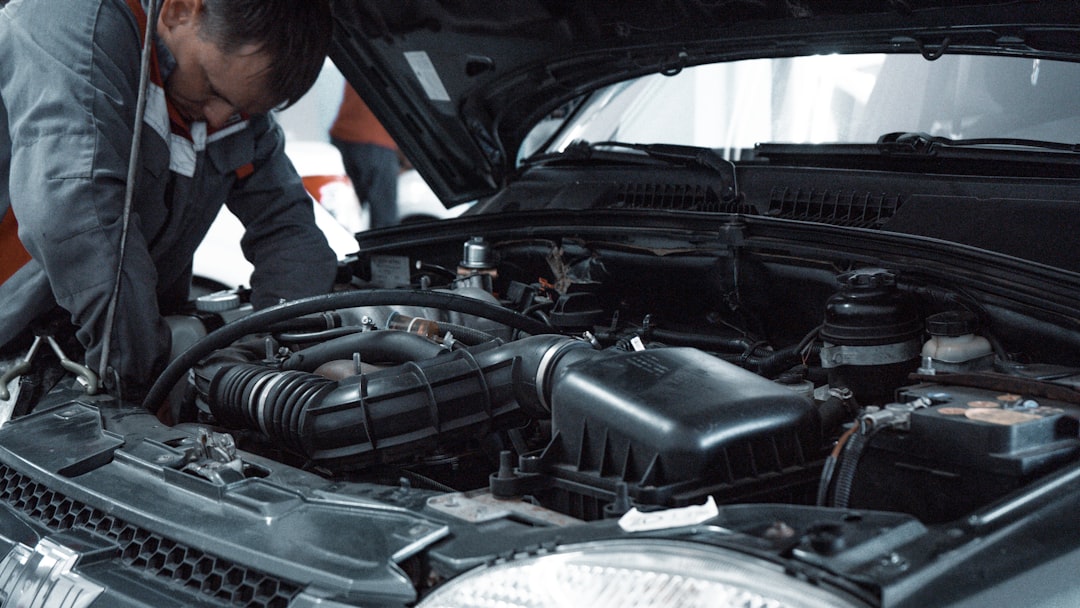
Vehicle maintenance costs in South Africa have increased significantly over the past three years — parts prices tracking currency weakness, labour rates rising with inflation, and consumables like oil and filters costing 30–40% more than they did in 2023. For most South African households, a vehicle is the second most expensive asset after a home, and keeping it running reliably is not optional. Yet many vehicle owners have little idea what a service should cost or how to tell whether the quote from a workshop is reasonable. This creates an environment where overcharging is easy and comparison is rare — a workshop can add R400 of unnecessary filters to an invoice and the customer has no basis to question it.
This guide covers what car servicing and common maintenance items realistically cost in South Africa in 2026, for both dealer and independent workshop environments, and what questions to ask before authorising any work.
Minor Service vs Major Service: What Is the Difference
The terms "minor" and "major" service are used consistently across the South African market, but what they include varies by vehicle manufacturer specification and workshop practice. Understanding the difference prevents you from being upsold a major service when a minor is all that is due.
Minor service (typically every 10,000–15,000km or annually): Engine oil replacement, oil filter replacement, visual inspection of brakes, tyres, lights, belts, and fluid levels. Some manufacturers also include an air filter and cabin filter inspection or replacement at minor services. This is the baseline maintenance that every vehicle needs at regular intervals.
Major service (typically every 30,000km or every third service interval): Everything in a minor service plus: air filter replacement, cabin (pollen) filter replacement, spark plug replacement (petrol engines), fuel filter replacement where applicable, brake fluid replacement, throttle body and injector cleaning on some specifications, and a more comprehensive inspection of suspension, drivetrain, and steering components.
Diesel vehicles often have different service intervals and include diesel fuel filter replacement as a major service item. Turbodiesel engines also have specific oil change requirements (shorter intervals in some cases) that differ from petrol specifications.
Service Costs: Dealership vs Independent Workshop
South Africa has three tiers of service provider: franchised dealerships (authorised by the manufacturer), specialist independent workshops (often ex-dealership technicians with the same equipment), and general repair shops.
Franchised dealerships: Use manufacturer-approved parts and lubricants, have manufacturer-trained technicians, and maintain service records linked to the vehicle's service book. Costs are the highest tier.
Typical dealer service costs (2026):
- Minor service (popular Japanese sedan, 1.4–1.6L): R2,500–R4,500
- Minor service (German premium — BMW, Mercedes, Volkswagen): R3,500–R7,000
- Major service (popular Japanese sedan): R5,000–R9,000
- Major service (German premium): R8,000–R16,000
Independent specialist workshops typically charge 20–35% less than dealerships for equivalent work using quality aftermarket or OEM-equivalent parts. For vehicles outside manufacturer warranty or service plan, this is often the best value option. Labour rates at reputable independent workshops: R600–R1,200 per hour vs R800–R1,800 per hour at dealerships.
The critical question for independent workshops is parts quality. OEM (Original Equipment Manufacturer) parts or quality branded aftermarket parts (Bosch, NGK, Mann Filter, Mahle) are acceptable alternatives to dealer parts. Unknown origin or counterfeit parts are not — they can cause more damage than the problem they were meant to fix.
Brake Replacement Costs
Brakes are the most safety-critical maintenance item and one of the most commonly variable in quote pricing. Labour rates for brake work and parts quality differ enormously between workshops.
Front brake pads replacement (supply and fit, quality aftermarket parts):
- Small hatchback (Toyota Yaris, VW Polo, Hyundai i20): R800–R1,600
- Medium sedan (Corolla, Jetta, Hyundai Elantra): R1,000–R2,000
- SUV (RAV4, Tiguan, CX-5): R1,200–R2,500
- Premium German (BMW 3 Series, Mercedes C-Class): R1,800–R4,500 for OEM pads
Disc replacement (per axle, supply and fit): R1,500–R4,500 for most passenger vehicles, R3,000–R8,000 for premium vehicles. Discs last 60,000–100,000km on most vehicles under normal South African driving conditions.
Brake fluid flush: R400–R700 for a full bleed and fresh fluid (DOT 4). This is often skipped by cost-conscious consumers but is a genuine safety item — brake fluid absorbs moisture over time, lowering the boiling point and creating fade risk under hard braking.
Tyre Costs: What to Expect
Tyre pricing in South Africa varies significantly by brand tier, tyre size, and retailer. Three brand tiers dominate the market:
Premium (Michelin, Bridgestone, Continental, Pirelli, Goodyear): R1,200–R3,500 per tyre for popular passenger vehicle sizes. High performance and longevity; higher purchase price recovered over longer tread life.
Mid-range (Yokohama, Kumho, Falken, Hankook, Toyo): R800–R2,000 per tyre. Good balance of performance and cost — the most popular category in the South African independent market.
Budget (various Chinese and Eastern European brands): R450–R900 per tyre. Highly variable quality. Some budget brands perform acceptably; others have documented wet-braking performance issues. Avoid on the front axle of any vehicle.
Fitting and balancing: R150–R300 per tyre at most fitment centres. Wheel alignment on a two-wheel drive vehicle: R400–R700; four-wheel alignment: R700–R1,200.
Common Additional Costs to Know
Beyond routine servicing, several other maintenance items have predictable costs:
- Timing belt replacement (where applicable — not all modern engines have timing belts): R3,500–R9,000 supply and fit. Interval typically 60,000–90,000km. Failure causes catastrophic engine damage — this is not optional maintenance.
- Alternator replacement: R2,500–R6,000 supply and fit
- Starter motor replacement: R1,800–R4,500
- Battery replacement (standard lead-acid, 60Ah): R1,200–R2,000 fitted
- Shock absorber replacement (per pair): R2,500–R7,000 supply and fit depending on vehicle
- Radiator flush and coolant replacement: R600–R1,200
Quick Checklist Before Authorising Service
- Ask for a written quote before work starts — verbal authorisation leads to invoice surprises
- Ask what parts brand is being used — OEM, quality aftermarket, or unknown?
- Ask the workshop to show you the old parts after replacement — confirms the parts were actually changed
- Know your vehicle's service interval from the owner's manual — do not accept an earlier service schedule without reason
- If a major service is recommended, ask what specifically is due based on mileage and check it against your owner's manual
- Get a second opinion on any single repair estimate above R3,000 — the variance between workshops is often 30–50%
- Check reviews for the workshop — billing transparency and parts quality show up clearly in customer experiences
Your vehicle is one of the most financially significant assets most South Africans own. Finding a workshop that is technically competent, transparent about what they do and why, and honest about what can wait versus what needs doing now is worth the effort of research. Reviews from other vehicle owners on KiesSlim for workshops and fitment centres in your area give you the real picture of who those workshops are when they think no one is watching.