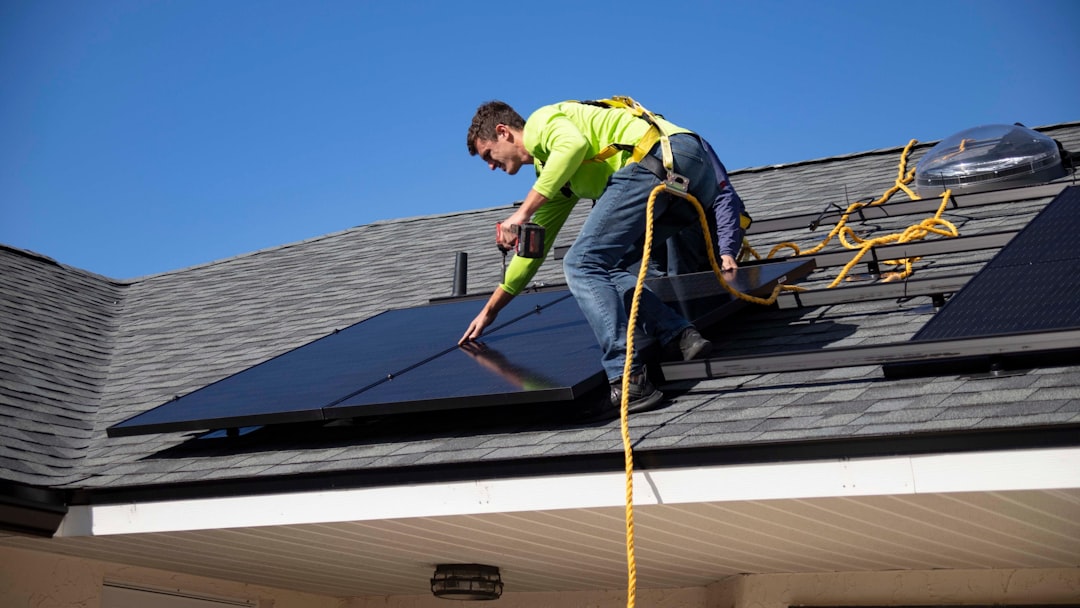
The solar installation industry in South Africa has expanded dramatically since 2022, driven by persistent load-shedding and rising electricity tariffs. With that expansion has come a wide range of quality, pricing, and installer competence — from established SAPVIA-registered companies with years of track record to opportunistic operators who entered the market with little training and have since caused expensive installation failures. Understanding what a home solar system should cost in 2026, how those costs are made up, and what the price variation between quotes actually means is essential before committing to what is typically a R80,000–R250,000 investment.
This guide covers the main components of a home solar system, realistic 2026 cost ranges by system size, what drives cost variation between quotes, the incentives available to South African homeowners, and what to verify before appointing an installer.
The Main Components and What Each Costs
A solar system has three primary components. Understanding each separately helps you evaluate whether a quote is realistic.
Solar panels: Convert sunlight into DC electricity. For residential systems, panels are typically 400W–550W per panel. A standard home system uses 8–16 panels. Panel prices in 2026 range from R2,500–R4,500 per panel for reputable brands (JA Solar, Canadian Solar, Jinko, LONGi). Panels from unknown Chinese manufacturers with no SA distributor support cost less but carry warranty risk — if the manufacturer exits the market, the 25-year panel warranty is worthless.
Inverter: Converts DC electricity from the panels (and batteries) into AC electricity for your home appliances. This is the most technically critical component. For a load-shedding solution, a hybrid inverter (which manages grid, solar, and battery simultaneously) is the appropriate choice. Good hybrid inverters (Sunsynk, Deye, Victron, SolarEdge) cost R18,000–R45,000 depending on capacity (measured in kVA — a 5kVA inverter is standard for most homes). Inverter quality directly determines system reliability.
Battery storage: Stores solar energy for use at night or during load-shedding. Lithium iron phosphate (LiFePO4) batteries are the current standard — they have 4,000–6,000 charge cycles versus 500–800 for the older lead-acid technology. Battery capacity is measured in kilowatt-hours (kWh). A 5kWh battery supports a basic overnight load; a 10kWh battery is appropriate for a family home wanting full overnight independence. LiFePO4 batteries cost R12,000–R22,000 per 5kWh unit from reputable brands (Pylontech, BYD, Freedom Won).
Realistic System Sizes and 2026 Cost Ranges
System sizing depends on your daily energy consumption (kWh/day from your electricity bill) and your goals — load-shedding backup only versus substantial grid independence.
Entry-level load-shedding backup (3kVA inverter, 4 panels, 5kWh battery): Powers lights, TV, router, and phone charging during outages. Suitable for a small home or flat. Total cost: R55,000–R80,000 supply and install.
Standard family home system (5kVA inverter, 8–10 panels, 10kWh battery): Covers lights, fridge, TV, computers, and moderate appliance use. Provides 4–6 hours of load-shedding coverage and reduces grid consumption during the day. Total cost: R95,000–R140,000 supply and install.
Larger home / near-independence system (8–10kVA inverter, 14–16 panels, 15–20kWh battery): Covers most household loads including a pool pump, washing machine, and air conditioning. Significantly reduces or eliminates the monthly electricity bill. Total cost: R160,000–R250,000 supply and install.
These ranges assume premium-brand components and professional installation by a registered electrician. Quotes significantly below these ranges for equivalent specifications almost always mean cheaper components, thinner cable (undersized for the load), or reduced installation quality.
Section 12B Tax Incentive for Homeowners
Since March 2023, South African individuals can claim a tax rebate of 25% of the cost of new and unused solar panels (not inverters or batteries) against their personal income tax — up to a maximum rebate of R15,000. This applies for the 2023/24 and 2024/25 tax years. To qualify, panels must be new, installed at a primary residence, and connected to the inverter by a registered electrician who issues a Certificate of Compliance.
At current panel prices, a system with 10 panels at R3,500 each (R35,000 in panels) would generate a rebate of R8,750. This is a meaningful reduction in the effective cost. Your installer should provide an itemised invoice showing panel costs separately from other components, which SARS requires for the rebate claim.
What Drives Cost Variation Between Quotes
A R40,000 variation between quotes for "similar" systems deserves investigation, not celebration. The most common sources of legitimate variation:
Component brand and specification — a Victron inverter costs more than a generic equivalent; Freedom Won batteries cost more than unbranded alternatives. Ask for the specific brand and model of every component in the quote.
Cable and balance of system — undersized DC cables, cheap MC4 connectors, and inadequate earthing are all ways to reduce cost invisibly. A properly sized system uses appropriately rated cable throughout. Ask whether the cabling is included in the quote and what the DC cable rating is.
Installation quality — proper roof penetration sealing, correct panel orientation and tilt angle, proper earthing, DB board integration, and a Certificate of Compliance all require skilled labour. Budget installations often cut these corners.
Warranty terms — a 5-year workmanship warranty from an established company is meaningfully different from a 1-year warranty from a sole operator who may not be trading in two years.
Quick Checklist Before You Sign
- Get quotes from at least three installers — specify the same component brands in each quote to compare apples with apples
- Ask for the specific brand and model of the inverter, panels, and batteries in the quote
- Verify the installer is registered with SAPVIA (South African Photovoltaic Industry Association) or employs a registered electrician who will issue the COC
- Confirm a Certificate of Compliance will be issued after installation — required for insurance and the tax rebate
- Ask about workmanship warranty duration and whether the company will still be trading to honour it
- Check the panel brand has a local distributor who can honour the 25-year performance warranty
- Ask specifically whether roof penetrations will be waterproofed — a common failure point
- Request an itemised invoice separating panel costs from other components for the Section 12B tax rebate
Reviews from homeowners who have had solar systems installed in your area — covering both the installation experience and long-term reliability — are among the most valuable research you can do before committing to a system. KiesSlim makes it easy to find those reviews before you choose an installer.