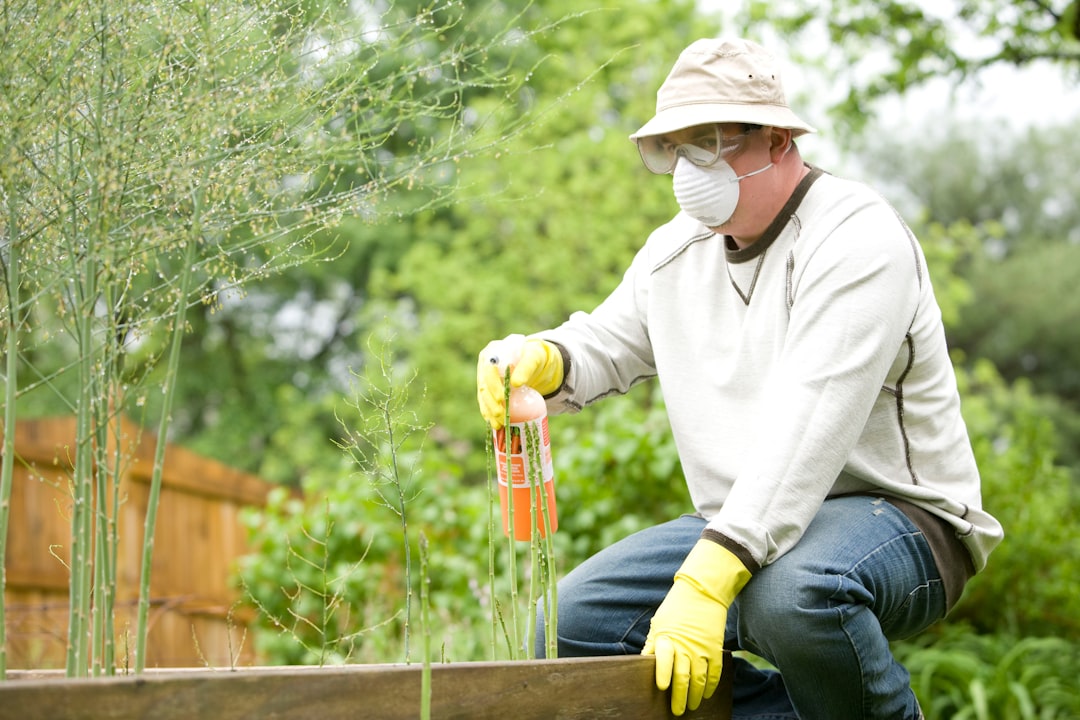
Pest problems in South Africa are a year-round reality for both homeowners and businesses. Cockroaches in warm, humid kitchens. Rodents finding their way into roof spaces as winter approaches. Termites quietly damaging wooden structures for years before anyone notices. Mosquitoes breeding in standing water through the summer storm season. The pest control market in South Africa has a wide quality range — from SAPCA (South African Pest Control Association) registered, trained operators using correctly labelled and dosed chemicals, to informal operators who purchase consumer products in bulk and apply them without the knowledge or registration to do so safely. The cost of ineffective pest control is not just the treatment fee — it is the continued damage from pests that were not properly addressed, and in some cases the health risk from incorrectly applied pesticides.
This guide covers what pest control realistically costs in South Africa in 2026, by pest type and treatment method, and what to look for when selecting a pest control operator.
Registration and Qualifications: The Baseline Check
Pest control operators in South Africa must be registered with the Pest Control Board under the Fertilizers, Farm Feeds, Agricultural Remedies and Stock Remedies Act. This registration requires training in pest identification, pesticide safety, and application methods. The Pest Control Board maintains a register of registered technicians. Ask any pest control operator for their Pest Control Board registration number before allowing them to treat your property.
SAPCA (South African Pest Control Association) membership is voluntary but indicates a company that has committed to professional standards beyond the legal minimum. SAPCA members are listed on the SAPCA website and are bound by a code of conduct. For complex treatments — particularly termite management, fumigation, or treatments in food preparation areas — SAPCA membership is a useful additional indicator of professionalism.
Cockroach Treatments
Cockroach infestations are the most common pest control call-out in South African homes and restaurants. Two species dominate: the German cockroach (Blattella germanica — the small species found in kitchens and bathrooms) and the American cockroach (Periplaneta americana — the large species found in drains and warm, dark areas).
Treatment methods vary by species and infestation level:
Gel baiting (German cockroach, preferred method): Small amounts of insecticide gel applied at harborage points. Cockroaches eat the bait and carry it back to the nest, producing a knockdown effect over 3–5 days. Highly effective when correctly applied. Leaves no residue visible to occupants. Recommended for food preparation areas and sensitive environments.
Residual spray treatment: Insecticide applied to surfaces where cockroaches travel and shelter. Effective but requires vacating the treated area for 2–4 hours and keeping surfaces dry for 24 hours. Often used in combination with gel baiting for severe infestations.
Cost ranges (residential, standard kitchen and bathroom treatment):
- Once-off gel treatment: R500–R1,000
- Once-off spray treatment: R600–R1,200
- Monthly service contract (includes re-treatment as needed): R350–R700/month
For a restaurant or food business, monthly pest control contracts are a regulatory requirement under R962 (the Regulations relating to General Hygiene Requirements for Food Premises). Expect to pay R800–R2,500/month for a commercial food premises depending on size and pest pressure.
Rodent Control
Roof rats (Rattus rattus) and Norway rats (Rattus norvegicus) are common in South African residential areas. Mice (Mus musculus) are widespread in urban environments. All three are disease vectors and cause structural damage through gnawing of electrical wiring, pipes, and insulation.
Treatment approaches:
Rodenticide bait stations: Tamper-resistant bait boxes placed at identified entry points and runways. Anticoagulant rodenticides cause death within 3–5 days. Bait stations must be monitored and replenished. Single treatment rarely eliminates an established population — follow-up visits are standard practice.
Mechanical traps: Used where rodenticide cannot be safely placed (near pets, children, water features). More labour-intensive but leaves no toxic bait in the environment.
Entry point exclusion: Sealing gaps in walls, roof eaves, and around pipe penetrations is the only permanent solution to rodent ingress. Treatment without exclusion means the population is replaced from outside. Many pest control operators will identify but not seal entry points (different trade) — clarify this at quote stage.
Cost ranges:
- Initial rodent assessment and baiting: R700–R1,800
- Follow-up visits: R400–R900 each
- Monthly rodent contract: R500–R1,200/month
Termite (White Ant) Treatment
Termite damage is one of the most expensive pest problems in South Africa. Subterranean termites (particularly Coptotermes species and Microtermes species) cause structural timber damage that is invisible until significant destruction has occurred. Drywood termites attack timber without soil contact. The Western Cape, KwaZulu-Natal, and Gauteng all have significant termite populations.
Termite treatment is significantly more complex and expensive than surface pest treatments:
Soil treatment (liquid termiticide): A chemical barrier is established in the soil around and under the structure, preventing subterranean termites from entering. Requires drilling through paving or floors to access soil. Chemical barriers last 5–10 years depending on the product. Cost: R5,000–R25,000 depending on house footprint and access difficulty.
Baiting systems: In-ground bait stations are placed around the perimeter. Termites carry the bait back to the colony, eventually eliminating it. Requires ongoing monitoring and bait replenishment. Cost: R8,000–R20,000 installation plus R1,500–R3,000/year monitoring.
Drywood termite fumigation: For drywood termites in roof timbers, tenting (enclosing the structure) and fumigating with methyl bromide or sulfuryl fluoride. This requires vacating the property for 48–72 hours. Cost: R15,000–R50,000 depending on structure size.
For any suspected termite problem, get a professional inspection before treatment. The species, extent of infestation, and access conditions all affect the appropriate treatment and cost. A reputable pest control company will not quote termite treatment without a proper inspection.
Mosquito and Flying Insect Control
Mosquito control in South Africa has become more prominent due to malaria risk in Limpopo and northern KwaZulu-Natal, and the spread of Aedes mosquitoes (potential dengue and chikungunya vectors) in coastal areas.
Outdoor mosquito control:
- Residual spray treatment of vegetation and resting sites: R600–R1,500 per treatment for a standard residential garden
- Larviciding (treating standing water): R300–R700 per visit
- Misting systems (automated outdoor spray): R15,000–R40,000 installed, R500–R1,000/month refill
For commercial properties or event venues, mosquito control contracts typically run R1,000–R4,000/month depending on area and treatment frequency.
Bed Bugs: The Difficult and Expensive Treatment
Bed bug infestations have increased significantly in South African urban areas over the past decade. They are notoriously difficult to eliminate — a single missed egg extends the treatment cycle by weeks. Professional bed bug treatment requires either chemical treatment (multiple visits) or heat treatment (single visit, highly effective).
- Chemical bed bug treatment (3 visits over 6 weeks): R2,500–R6,000 for a standard bedroom
- Heat treatment (whole room heated to 55°C+ for several hours): R4,000–R12,000 per bedroom
DIY bed bug treatment is almost always unsuccessful. The eggs are resistant to most consumer products and the insects hide in locations that consumer sprays cannot reach.
Quick Checklist Before Hiring a Pest Control Company
- Ask for the Pest Control Board registration number of the technician who will attend
- Ask whether the company is a SAPCA member for complex treatments
- Get a written quote specifying the pest, treatment method, and product name
- Ask how many treatments are included in the quoted price and what the follow-up protocol is
- For termites: insist on an inspection visit before any quote — treatment without inspection is guesswork
- Ask whether entry point exclusion is included or separate for rodent treatments
- Get at least two quotes for treatments above R2,000
- Check reviews specifically mentioning whether the treatment worked — effectiveness is the only metric that matters
Pest control effectiveness is measured by whether the pest is actually controlled — not by how professional the technician looked or how quickly they arrived. A company that returns until the problem is resolved is more valuable than one that completes a single treatment and disappears. Reviews from South African homeowners and business owners on KiesSlim give you the outcome-level evidence of which companies actually eliminate infestations versus which collect fees and provide temporary relief.