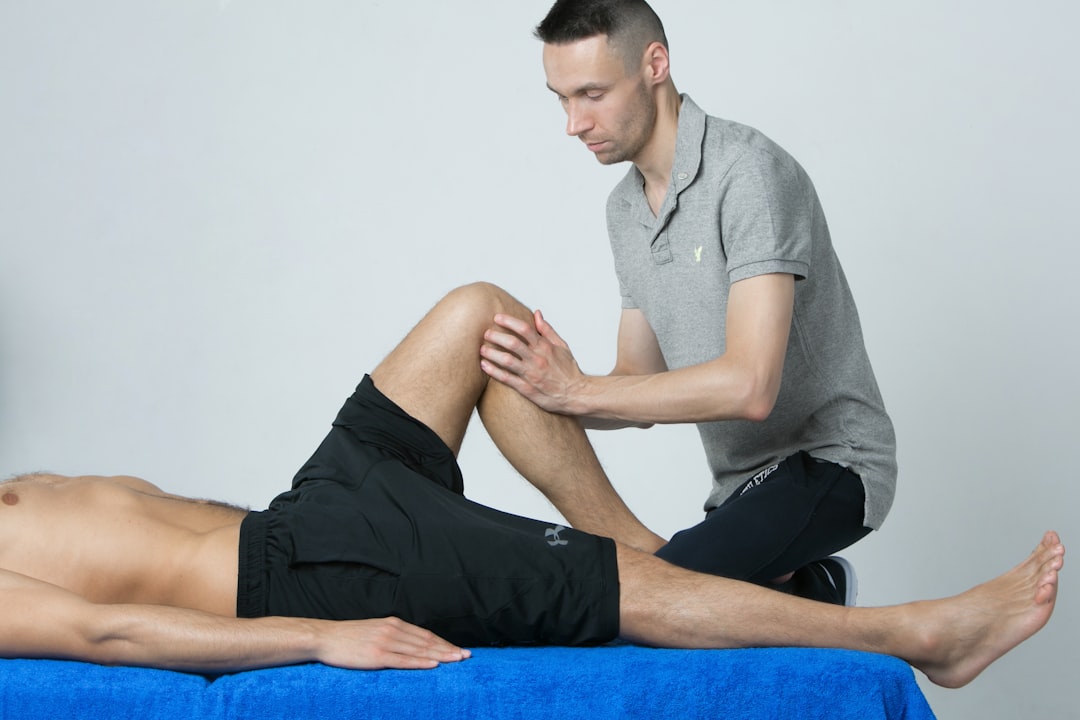
Physiotherapy is one of the more expensive recurring healthcare costs for South Africans dealing with musculoskeletal injuries, post-surgical rehabilitation, or chronic pain conditions. With sessions ranging from R500 to over R1,200 each, and medical aid benefits that run out faster than many patients expect, understanding what physiotherapy should cost — and what good value looks like — can significantly affect both your out-of-pocket spending and the quality of care you receive.
Initial Assessment and Consultation Fees
The first physiotherapy session includes a detailed clinical assessment: full history of the presenting complaint, physical examination (range of motion, strength testing, special tests for the area being assessed), clinical diagnosis, and treatment plan formulation. This assessment typically takes longer than a standard treatment session — 45 to 60 minutes rather than the standard 30 minutes.
Initial assessment fees in 2026 at private physiotherapy practices in major South African metros: R700–R1,400. Initial assessment fees at practices in smaller towns or lower-cost areas: R500–R900. Assessments at hospital-based outpatient physiotherapy departments (government or private hospital): R400–R800 depending on the facility.
The initial assessment fee is separate from any treatment provided during the same visit. Some physiotherapists include a brief treatment at the end of the assessment session at no additional charge; others bill the assessment and first treatment separately. Clarify this before your appointment so you are not surprised by the account.
Standard Treatment Session Fees
A standard physiotherapy treatment session in South Africa is typically 30 minutes in private practice. Fees in 2026:
- 30-minute treatment session, standard private practice: R500–R900
- 45-minute session (where offered for more complex cases): R700–R1,200
- 60-minute session (hydrotherapy, complex neurological rehabilitation): R900–R1,500
- Home visit physiotherapy (where the physio comes to the patient): R800–R1,600 per visit (higher due to travel time)
Some physiotherapy modalities attract additional billing above the session fee. Common add-ons and their typical costs:
- Dry needling: R150–R350 per session (billed additionally when performed)
- Ultrasound therapy: R80–R200 per session
- TENS / electrical stimulation: R80–R180 per session
- Taping (Kinesio or rigid strapping): R80–R250 per taping application depending on area
Ask at the beginning of any session whether additional modalities will be used and what the charge is. Some practices include modalities in the session fee; others bill them separately. Knowing upfront prevents account surprises.
What Medical Aid Covers
Most medical aid schemes in South Africa cover physiotherapy from the day-to-day or savings benefit, not from a specific unlimited physiotherapy benefit. This means physiotherapy comes out of the same pool of benefits as GP visits, specialist consultations, and other day-to-day healthcare costs — and depletes faster than many members expect.
Physiotherapy for certain conditions is covered under the Prescribed Minimum Benefits (PMBs) — specifically, post-surgical rehabilitation following PMB-level procedures and physiotherapy for designated chronic conditions listed in the PMB regulations. If your physiotherapy relates to a PMB condition or follows a PMB procedure, it should be covered from the risk benefit (not your savings account) — ask your scheme to confirm this and instruct the physiotherapist to code the claim accordingly.
Most major schemes pay physiotherapy at their own tariff, which typically ranges from R350–R600 per session in 2026. If your physiotherapist charges R800 per session and your scheme pays R500, you pay the R300 gap — every session. This gap adds up rapidly over a treatment course of 6–12 sessions. Network physiotherapists (where applicable on your scheme plan) may have agreed rates with no gap; ask your scheme for a list of network providers before booking.
Typical Treatment Courses and Total Costs
Understanding the expected total cost of a physiotherapy treatment course helps you budget and evaluate whether you are making appropriate use of your benefits:
- Acute soft tissue injury (muscle strain, minor ligament sprain): 4–8 sessions, total private cost R2,500–R7,000
- Post-surgical rehabilitation (knee or shoulder surgery): 12–24 sessions, total private cost R8,000–R22,000
- Chronic lower back pain: ongoing — 6–12 sessions initially, then reassessment; initial course R4,000–R10,000
- Neurological rehabilitation (stroke, TBI): extensive and ongoing — monthly cost at specialist facilities R4,000–R12,000+
Home Exercise Programmes — What You Should Receive
A core component of quality physiotherapy is a structured home exercise programme (HEP) — exercises you perform at home between sessions that reinforce and accelerate the in-session treatment. A physiotherapist who does not provide a written or documented HEP after the first two to three sessions is not delivering complete care. The HEP should be progressed as your condition improves, not remain static throughout your treatment course.
Patients who perform their HEP consistently typically require fewer sessions to achieve the same outcome — which means a physiotherapist who provides a good home programme may cost you less in total (fewer sessions needed) even if their per-session fee is slightly higher than a competitor who does passive treatment without a home programme component.
Quick Checklist Before You Start Treatment
- Asked about the initial assessment fee and whether any treatment is included in that first session
- Confirmed the standard session fee and what modalities are included vs. billed additionally
- Asked your medical aid what they pay per physiotherapy session and whether this practice is on network
- Checked whether your condition may qualify for PMB-level physiotherapy cover
- Asked for an estimated number of sessions and treatment goals after the initial assessment
- Confirmed that a home exercise programme will be provided and progressed during the treatment course
- Read reviews from other patients about whether treatment resulted in actual recovery
Reviews from patients who describe their recovery outcome — not just the practitioner's manner — are the most informative for physiotherapy practices. KiesSlim lists physiotherapists across South Africa with verified patient reviews — check what others experienced before booking your first assessment.