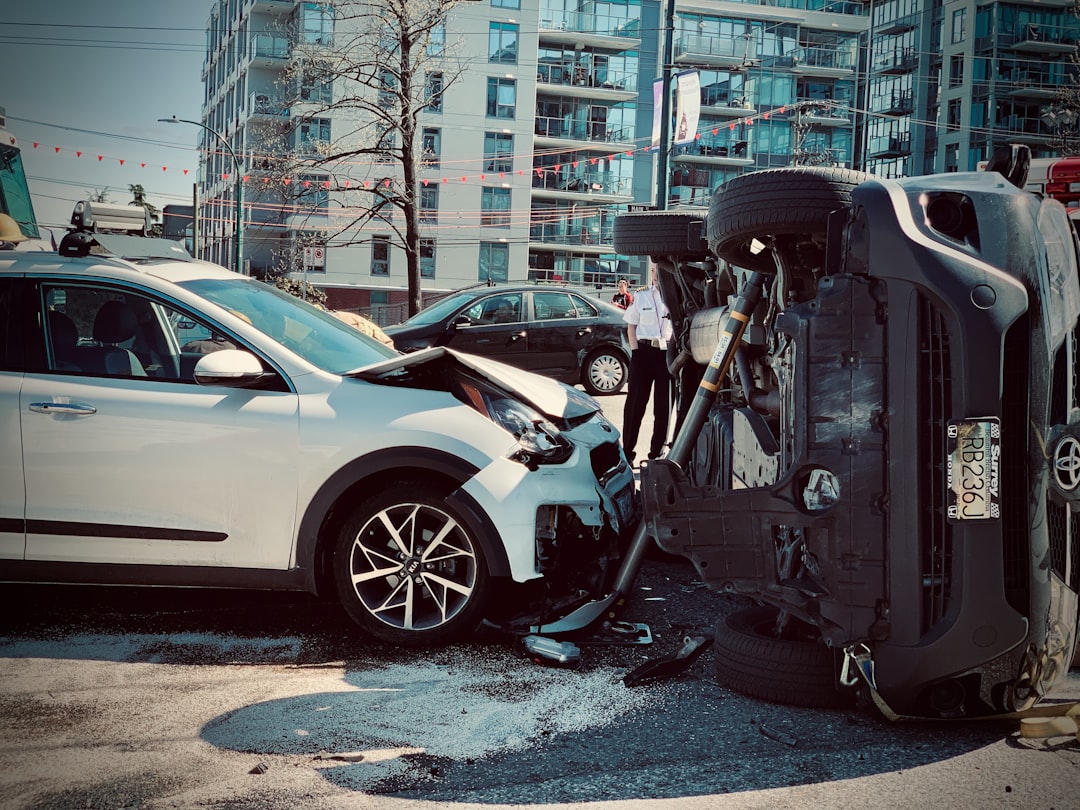
The minutes immediately after a car accident in South Africa are disorienting — and the decisions made in those minutes have lasting consequences for insurance claims, legal liability, and personal safety. Most South Africans handle accident scenes poorly not because they are careless, but because they have never been told what to do. The result is missed evidence, failed insurance claims, and in some cases, accepting liability for accidents that were not their fault. Knowing the correct sequence of steps before an accident happens means you can act correctly when it does.
This guide covers exactly what to do at the accident scene, your legal obligations under the National Road Traffic Act, how to document the incident for your insurance claim, what to do in the days that follow, and the common mistakes that result in claim failures.
Immediate Steps at the Scene
The first priority after any accident is safety. If the vehicle is driveable and is creating a hazard in the road (blocking traffic, obstructing a lane), move it to the side of the road before stopping. If it cannot be moved, switch on hazard lights and, if available, place warning triangles at least 45 metres behind the vehicle on a regular road (further on a highway).
Check whether anyone is injured. If there are injuries, call emergency services (10177 for ambulance, 10111 for SAPS, or 112 from a mobile phone). Do not move a seriously injured person unless they are in immediate danger from fire or an incoming vehicle. Attempting to move someone with a spinal injury can cause permanent paralysis.
If the accident involves another vehicle, you are legally required under the National Road Traffic Act to stop at the scene and provide your name and address to the other driver, to any injured person if requested, and to a police officer. Leaving the scene of an accident without doing this is a criminal offence (commonly called "hit and run"), regardless of who caused the accident.
What Information to Exchange and Document
This is the step that most people handle inadequately. Use your phone — take photographs and notes immediately while details are available.
From the other driver: Full name, ID number, contact number, licence number, and licence plate number. Photograph their licence and licence disc. Also note the make, model, and colour of the other vehicle.
Insurance information: Ask for the other driver's insurance details. Write down the insurer name and policy number. They are not legally obligated to share this with you at the scene (though your insurer will need it for a third-party claim), but most drivers will provide it.
Scene photographs: Photograph the position of both vehicles before any vehicles are moved. Photograph all damage on both vehicles from multiple angles. Photograph the road surface (skid marks, debris, potholes). Photograph any road signs or traffic signals in the area. Photograph the licence plates of all vehicles involved. If there is a traffic light, note whether it was functioning. These photographs are your primary evidence.
Witnesses: If anyone witnessed the accident, get their name and contact number. An independent witness who saw the sequence of events is valuable if liability is disputed.
Note the time and exact location. Record the GPS coordinates from your phone, or note the nearest street intersection and landmark.
Your Legal Obligations — The Accident Report
Under South African law, you must report any accident involving injury, death, or damage above R200 to a police station within 24 hours. In practice, this threshold means virtually all accidents should be reported. Failure to report is a criminal offence.
Go to the nearest police station (or the station closest to where the accident occurred) and complete an accident report (SAP 502 form). You will receive a case number, which your insurer requires for the claim. This report is also important if the other driver later claims injuries that were not apparent at the scene — your contemporaneous report establishes that no injuries were reported at the time.
If SAPS attended the scene, ensure you get the case number and the attending officer's name and badge number before leaving.
Notifying Your Insurer
Notify your insurer of the accident as soon as possible — most policies require notification within 24–48 hours of an accident, regardless of whether you intend to claim. Failure to notify timeously can be grounds for declining a claim.
When notifying your insurer, provide: the date, time, and location of the accident; the case number from the police report; the other driver's details and vehicle information; your photographs; and a factual description of what happened. Do not speculate about fault in your initial report — simply describe the sequence of events factually.
If the accident was not your fault and the other driver is insured, you can claim against their insurer as a third party. This process can be slower than claiming from your own insurer (who then recovers from the third-party insurer), but it means your own no-claim bonus is not affected. Discuss both options with your insurer before deciding which route to use.
The Road Accident Fund — For Injury Claims
If you or a passenger were injured in an accident involving a motor vehicle, you may have a claim against the Road Accident Fund (RAF). The RAF compensates victims of motor vehicle accidents for loss of income, medical expenses, and general damages (pain and suffering) — regardless of who caused the accident.
RAF claims are time-limited: you have three years from the date of the accident to lodge a claim (two years for hit-and-run accidents where the driver is unidentified, though extensions apply in some circumstances). A specialist RAF attorney can assess your claim and handle the submission — most work on a contingency basis (no win, no fee). For significant injuries, do not attempt to lodge a RAF claim without professional assistance.
Common Mistakes That Cause Insurance Claims to Fail
Do not admit fault at the scene — even if you believe you were responsible. Liability is a legal and factual determination, not a scene-side confession. Anything you say at the scene can be used against you. Factual information only.
Do not accept a cash settlement from the other driver at the scene in lieu of insurance. Cash settlements are informal, unenforceable, and do not account for injuries that develop later or vehicle damage that proves more extensive than it appeared.
Do not delay reporting to your insurer — late notification is one of the most common reasons for claim complications. Notify even if you have not decided whether to claim.
Quick Checklist for the Scene
- Move vehicle to a safe position if driveable — switch on hazards and place warning triangles
- Check for injuries and call emergency services if needed
- Get the other driver's full name, ID number, licence number, contact number, and licence plate
- Photograph both vehicles (all damage, all angles) and the scene before anything moves
- Get contact details from any witnesses
- Note the exact time and location — GPS coordinates if possible
- Report the accident to SAPS within 24 hours and get a case number
- Notify your insurer within the policy's notification period — usually 24–48 hours
If your vehicle needs repair after an accident, finding a reputable panel beater or mechanic with a track record of quality repairs is important — KiesSlim makes it easy to find and compare service providers in your area based on real client reviews.