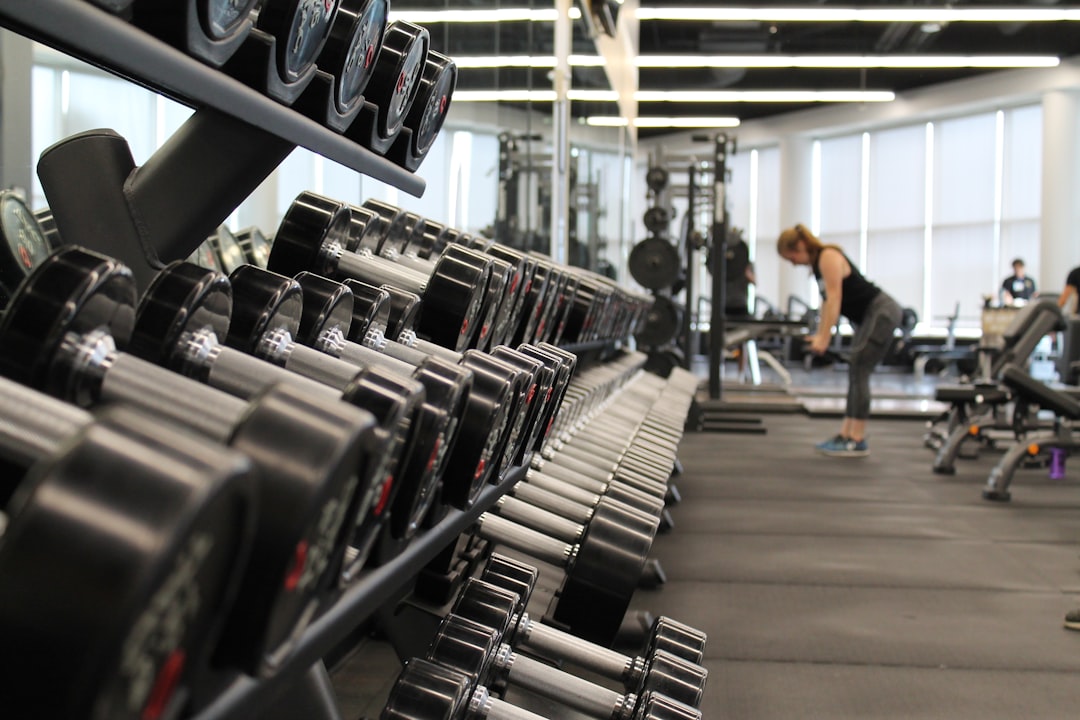
Gym membership in South Africa is one of the most commonly regretted financial commitments people make. The joining process is designed to get you signed before the enthusiasm of the moment fades — a high-energy sales tour, a limited-time offer, a contract that runs for 24 months, and a cancellation clause buried in the fine print. Many South Africans pay for gym memberships they never use, or pay for memberships at a gym that does not actually serve their needs, because they signed based on the sales experience rather than on a realistic assessment of what the gym offers.
This guide covers how to evaluate a gym beyond the sales tour, what your contract must say and what to watch for in the fine print, how to assess equipment quality and maintenance, the questions worth asking about peak-hour crowding and class availability, and the warning signs that suggest a gym is more interested in your debit order than your fitness.
Visit at the Time You Would Actually Train
This is the single most useful thing you can do before joining any gym, and almost nobody does it. The gym you tour at 10am on a Tuesday is a completely different experience from the same gym at 6pm on a Wednesday. Equipment availability, queue times for machines and benches, noise level, locker room congestion, and class availability all vary dramatically by time of day.
If you plan to train before work, visit during the 6am–8am window before committing. If you train after work, visit during the 5pm–7pm rush. Ask whether you can do a trial session at your preferred training time rather than accepting a guided tour at a convenient time for the sales staff. A gym that resists letting you experience it during peak hours is showing you exactly why they are resistant.
During your visit, count how many people are waiting for equipment. Notice whether the free weights area is functional or chaotic. Check whether cardio equipment has out-of-order machines that have been sitting broken for weeks — a useful indicator of maintenance standards. Look at the locker rooms: cleanliness and adequate space are not optional in a facility you will use daily.
Read the Contract Before You Sign
South African gym contracts are governed by the Consumer Protection Act (CPA), which gives consumers specific rights around cooling-off periods and cancellation. Know these rights before you sign anything. Under the CPA, you have a five-business-day cooling-off period after signing a gym contract concluded through direct marketing. If the contract was concluded in-person at the gym, the CPA cooling-off may not apply automatically — though many gyms offer their own short-term cancellation window as a competitive practice.
The contract must specify the total monthly fee, including all components — the base membership, any mandatory add-ons like locker rental or group class access, and the joining fee. Get the total monthly debit order amount confirmed in writing before signing. Contracts where the base fee is attractively low but mandatory add-ons push the real monthly cost significantly higher are a common pattern.
Understand the cancellation terms in detail. A 24-month contract that requires three months written notice to cancel, combined with a penalty for early termination, can result in significant cost if your circumstances change. Ask specifically: what does it cost me to cancel in month six? What documentation is required for cancellation due to medical circumstances or relocation? Get the answers in writing.
Annual increases are standard in South African gym contracts — typically between 5% and 10% per year. Confirm the increase mechanism in the contract. Some gyms use CPI-linked increases, others use a fixed percentage. A 10% annual increase on a 24-month contract means your fee in month 24 is meaningfully higher than in month one.
Evaluate the Equipment Quality and Range
Equipment quality varies enormously between gyms and is not reliably correlated with price. A premium-branded gym with good marketing can have ageing equipment maintained poorly. A no-frills facility with lower fees can have well-maintained, functional machines that cover everything you need.
For free weights training, check whether the dumbbell range is complete and in good condition, whether there are adequate squat racks and barbells, and whether benches are in usable condition. For cardio, check whether treadmills, bikes, and rowing machines are in working order — walk down the row and note how many have out-of-order tags or visibly broken displays. For resistance machines, check whether cables fray, seats adjust properly, and pin stacks are complete.
Ask about their equipment maintenance schedule. A gym that cannot tell you when equipment is last serviced or that has obvious deferred maintenance across the floor is cutting corners in a way that affects both the quality of your training and your safety. Equipment that breaks mid-session can cause injury, particularly with free weights setups.
Classes, Trainers, and What Is Actually Included
Many gym memberships advertise group class access as a feature, but the practical reality varies significantly. Ask specifically: how many classes run per day at times I can actually attend? What is the booking process — are popular classes first-come-first-served, or is there a booking system? Are all classes included in the membership fee, or are some classes premium add-ons?
If you plan to use a personal trainer, ask about the qualification requirements for trainers working at the gym. South African personal trainers should ideally hold a REPSSA (Registered Exercise Professionals of South Africa) registration or equivalent. Ask the gym what minimum qualification their trainers hold. A gym that employs trainers with no meaningful qualification is not investing in the quality of their training staff.
Understand what is included in the membership in practical terms. Guest passes, towel service, steam room and sauna access, parking, multiple branch access — these vary by gym and by membership tier. Do not assume any of these are included based on the sales conversation. Ask for a written list of exactly what your membership covers.
The Hygiene and Facility Standards That Matter
A high-traffic gym is a breeding ground for fungal infections, bacteria, and viruses if hygiene standards are not actively maintained. During your visit, check whether cleaning spray and paper towels or wipes are readily available throughout the floor — not just at one station near the entrance. Check whether they are actually being used by members and staff, or merely present for appearance.
Locker room hygiene is particularly important. Showers should be clean, drains should be functional and not standing in water, and the overall condition should suggest regular deep cleaning rather than surface-level maintenance. Check that lockers function properly and that the facility has adequate capacity for the number of members using it at peak times.
Air conditioning and ventilation quality affects both comfort and hygiene in a facility where dozens of people are exercising simultaneously. A gym that is visibly stuffy or that smells heavily of sweat during off-peak hours when few people are present has a ventilation problem that will be significantly worse during peak hours.
Red Flags to Watch For
High-pressure sign-up tactics — limited-time offers that expire today, pressure to sign before leaving the building, salesperson who follows up multiple times after your visit — are designed to short-circuit careful evaluation. A gym with a genuinely good product does not need to pressure you into signing before you have had a chance to think.
Inability to answer direct questions about the contract, fee structure, or cancellation terms is a significant problem. Sales staff should be able to give you a straight answer on total monthly cost, contract length, cancellation conditions, and what happens if you want to put your membership on hold. Vagueness on any of these suggests the answers are not ones that help them close the sale.
No trial access. A gym that refuses to let you train before committing to a 24-month contract is telling you something about their confidence in the experience they provide. Most competitive gyms offer a free trial day or week precisely because they believe the product sells itself.
Quick Checklist Before You Sign
- Visit at your actual intended training time — not during a sales-convenient off-peak window
- Get the total monthly debit order amount in writing including all compulsory add-ons
- Read the cancellation terms — understand the notice period, early exit penalty, and valid reasons for fee-free cancellation
- Check the equipment condition — count out-of-order machines and check free weights for completeness
- Ask about class schedules at times you can actually attend, and whether they are included or charged separately
- Confirm annual increase mechanism and rate in the contract
- Ask for a written list of everything included in your membership tier
- Negotiate the joining fee — it is almost always negotiable and frequently waived entirely for new members
The best gym for you is not necessarily the biggest, most well-known, or most expensive one — it is the one you will actually go to consistently, at times that suit your schedule, with equipment and facilities that match how you train. Reviews from South Africans who are actual members of local gyms — not people on a free trial — are some of the most useful information available before making a 24-month financial commitment. KiesSlim makes it easy to find and compare gyms in your area based on real member experiences.