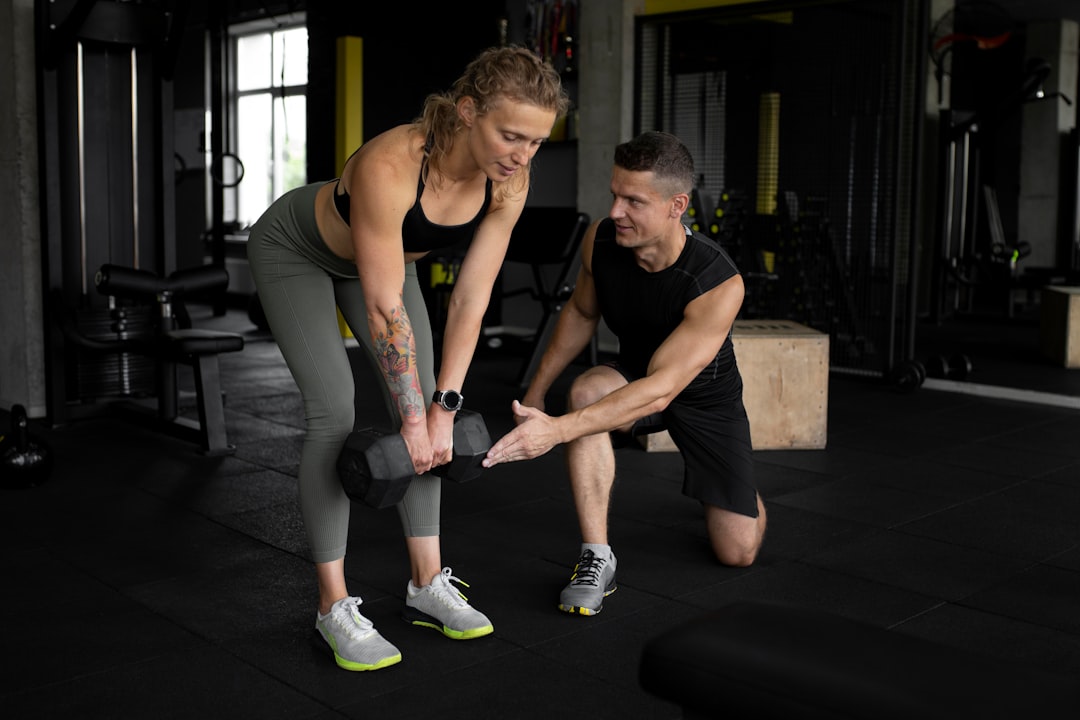
South Africa has a large and growing personal training industry, with no shortage of qualified, experienced coaches who genuinely change clients lives. It also has a significant number of individuals who completed a short online certification and are charging premium rates for sessions that are, at best, ineffective and, at worst, pushing clients into injury. The challenge for anyone looking for a personal trainer is that most people cannot assess training quality from the outside. A trainer who looks fit, speaks confidently, and posts regularly on social media may have no formal qualification and no understanding of programming, periodisation, or injury risk. A quieter, less visible trainer may have a decade of formal education and a list of clients who have transformed their bodies and health under proper guidance.
This guide covers what to look for when choosing a personal trainer in South Africa, what qualifications are relevant, how sessions should be structured, and the red flags that signal you are about to waste money and potentially injure yourself.
Qualifications: What Is Legitimate and What Is Not
South African fitness training qualifications range from weekend certificate programmes to four-year degrees. The minimum credible qualification for a personal trainer is an NQF Level 4 Fitness qualification registered with the South African Qualifications Authority (SAQA). This is the baseline standard recognised by reputable gym groups and fitness industry bodies.
Above this baseline, look for:
REPSSA (Registrar of Exercise Professionals South Africa) registration: REPSSA is the professional body for exercise professionals in South Africa. Registered professionals are listed on the REPSSA database and must maintain their registration through ongoing education. This is the closest thing to a professional registration body for fitness practitioners in South Africa. Asking a trainer for their REPSSA registration number and verifying it takes 60 seconds and immediately distinguishes regulated professionals from unqualified operators.
Higher-level qualifications: A National Diploma in Sport and Recreation, a BSc in Sport Science, or a BSc in Biokinetics indicates a significantly deeper knowledge base than a short certification. Biokineticists in particular (registered with HPCSA) are exercise specialists with post-graduate training who work with medical referrals, injury rehabilitation, and chronic disease management. If you have a specific health condition or are recovering from injury, a biokineticist rather than a personal trainer may be the appropriate professional.
Specialist certifications: Post-qualification certifications in areas like strength and conditioning (CSCS from the NSCA), nutrition coaching, corrective exercise (NASM CES), pre- and post-natal exercise, or older adult fitness indicate a trainer who has invested in their professional development beyond the minimum.
What a Proper Initial Assessment Should Include
The first session with a personal trainer should be an assessment, not a workout. A trainer who starts training you intensely without first assessing your baseline is working without information — they do not know your movement restrictions, your injury history, your fitness level, or your body's response to load. This is how injuries happen in week two.
A proper initial assessment covers: your health history (current and past medical conditions, medications, recent injuries or surgeries), your training history (what you have done before, what worked, what did not), your goals (specific, not just "get fit" — lose X kg, run Y race, manage a specific condition), a movement screen (checking basic mobility and movement patterns that affect exercise selection), and baseline fitness measurements (body composition, cardiovascular fitness, strength baseline if relevant to goals).
The assessment should result in a written programme or plan, not just a first workout. What exercises, what intensity, what progression model, over what timeframe — these should be explicit. A trainer who cannot articulate their programming rationale is guessing.
Session Quality: What to Expect and What to Watch For
A good personal training session is structured. It begins with a warm-up that is relevant to the session ahead (not generic jumping jacks), progresses through the programmed work with appropriate coaching cues and load management, and ends with a cool-down that addresses the muscles worked. The trainer is present and attentive — not on their phone, not coaching someone else from across the gym.
Coaching cues matter. A trainer who simply demonstrates an exercise and watches you do it is providing observation, not coaching. A trainer who explains why a hip hinge is different from a squat, how to brace the core during a press, and what it should feel like is building your understanding and long-term independence. The best trainers make their clients progressively less dependent on them by building knowledge alongside fitness.
Red flags in ongoing sessions: no progression over time (same weights, same exercises, no evidence of systematic load increases), no documentation of what was done in previous sessions, sessions that feel like entertainment rather than productive training (group games masquerading as a programme), and a reluctance to modify exercises when you report pain or discomfort.
Cost Benchmarks for Personal Training in South Africa
Personal training rates in South Africa (2026) by location and trainer level:
Gym floor PT (in-house trainer at a commercial gym): R200–R450 per session. Often discounted in packages (10 or 20 sessions). Quality varies enormously — the gym employs trainers with a minimum NQF Level 4 but experience and commitment range widely.
Independent trainer (own studio or mobile): R350–R800 per session. Typically more experienced and self-selected for quality — the trainers who build independent practices are usually the ones who built a strong client reputation first.
Online coaching: R800–R3,000 per month for a programmed training plan, nutrition guidance, and regular check-ins. The lower-cost option if you are self-motivated and have some training experience. Not suitable as a first-time personal training experience.
Biokineticist (HPCSA registered): R600–R1,200 per session at private practice. Medical aid may cover sessions under the chronic disease management or rehabilitation benefit depending on the scheme and referral reason.
Questions to Ask Before Your First Paid Session
- What is your formal qualification and REPSSA registration number?
- What experience do you have with my specific goal or condition?
- Will the first session be an assessment or a workout?
- How do you structure your programmes — what is your periodisation approach?
- How do you track client progress and adjust programmes over time?
- What is your cancellation policy — and what happens if I get injured?
- Can I speak to a current or recent client as a reference?
A personal trainer is someone you will be physically vulnerable with — they will see you at your least fit and most challenged. The relationship works when you trust both their knowledge and their approach. Reviews from other clients on KiesSlim for personal trainers in your area give you insight into what training with this person is actually like over months — whether they push without understanding limits, whether they disappear when sessions get hard, and whether their clients actually reach their goals.