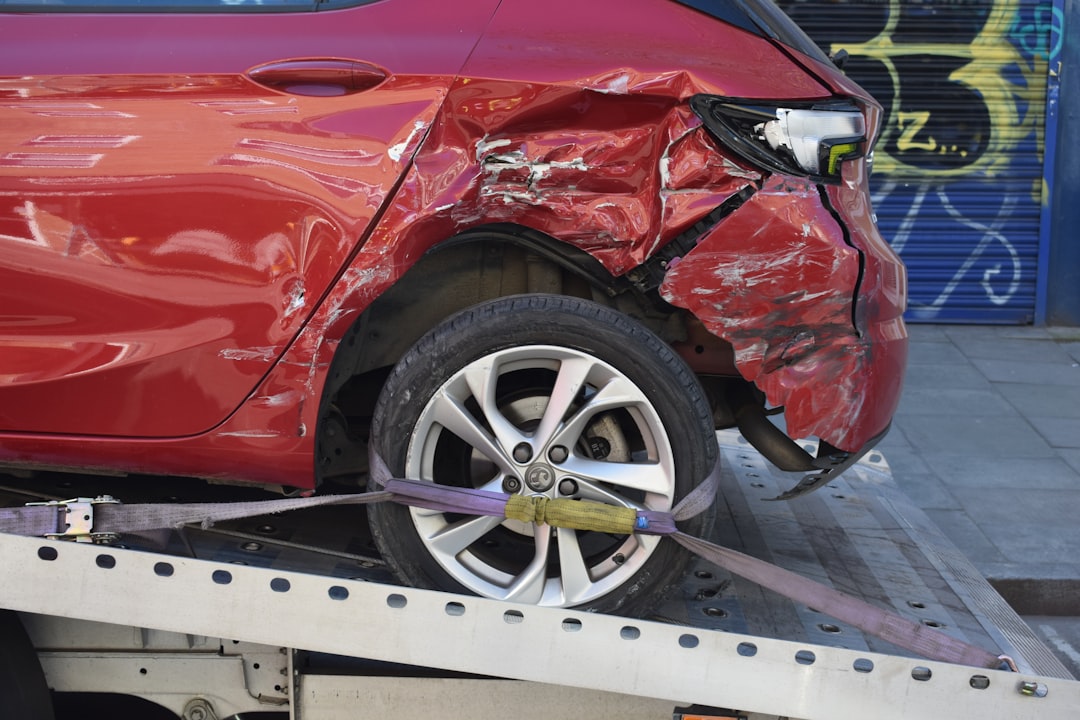
The Road Accident Fund (RAF) is a government-run compensation scheme that pays out to anyone injured in a motor vehicle accident in South Africa — regardless of who caused the accident. This includes passengers, pedestrians, cyclists, and in some circumstances, drivers. If you or a family member was injured in a road accident and you have not claimed from the RAF, you may be entitled to significant compensation that you are simply unaware of. At the same time, the RAF claims process is complex, adversarial, and time-limited — and poorly managed claims routinely receive fractions of what a well-managed claim would recover.
This guide covers who qualifies for a RAF claim, what you can claim for, how the process works, the critical time limits that apply, and why specialist attorney representation — almost always on a contingency basis — is in your interest for any significant injury claim.
Who Qualifies for a RAF Claim
The RAF compensates any person injured in an accident involving a motor vehicle on a South African public road. The definition of motor vehicle is broad — cars, taxis, buses, motorcycles, trucks. The definition of public road is also broad — most paved and gravel roads qualify.
You qualify if you were: a passenger in a vehicle involved in an accident; a pedestrian or cyclist hit by a vehicle; a motorcyclist in an accident involving another vehicle; or in limited circumstances, a driver injured by another driver's negligence. Drivers who were the sole cause of a single-vehicle accident generally cannot claim against the RAF for their own injuries (as there is no third party at fault), but can claim for passengers injured in their vehicle.
The RAF also pays death claims — compensation to dependants of a person who died in a road accident. A spouse, children, and in some cases parents may all qualify as dependants with valid claims.
What the RAF Compensates
RAF claims cover several categories of loss, and understanding each helps you assess what your claim is worth.
Medical expenses: Past medical costs incurred as a result of the accident injuries, and future medical costs that the injury will continue to generate. This includes hospitalisation, surgery, physiotherapy, medication, and any assistive devices (wheelchairs, prosthetics). Future medical costs are projected by medical experts and form a significant part of serious injury claims.
Loss of earnings: Past income lost due to the inability to work during recovery, and future loss of earning capacity if the injury has a long-term impact on your ability to work. An actuary calculates the present value of future income loss — this is often the largest component of a significant injury claim.
General damages (pain and suffering): Compensation for the pain, suffering, disfigurement, and loss of amenity of life caused by the injury. The RAF Act introduced a threshold for general damages — only injuries classified as "serious" under the RAF's assessment criteria qualify. Minor injuries (soft tissue injuries with no lasting effects) generally do not meet the serious injury threshold. Fractures, spinal injuries, head injuries, and serious soft tissue injuries with ongoing effects typically qualify.
Loss of support (death claims): Dependants of a person killed in a road accident can claim for the income support they have lost, calculated actuarially based on the deceased's income, age, and the dependants' age and circumstances.
The Critical Time Limits
RAF claims are governed by strict time limits under the RAF Act. Missing these limits bars your claim, regardless of its merits.
For accidents involving identified drivers and vehicles: you must lodge your claim within three years of the accident date (or within three years of the date you became aware of the accident for claims involving unidentified drivers, subject to specific procedural requirements).
For accidents involving unidentified vehicles (hit-and-run): you have two years from the date of the accident to lodge. The procedural requirements are stricter — you must have reported the accident to SAPS within 14 days, and the SAPS accident report is required documentation.
For death claims: the three-year period runs from the date of death, not the accident date (if the two differ).
For children: the time limit is suspended until the child turns 18, at which point the three-year period starts running. A child injured at age 5 has until age 21 to lodge a claim.
Do not rely on your memory of when an accident happened — the RAF strictly enforces these limits and has successfully defended on prescription grounds where claims were lodged even one day late.
Why You Should Use a Specialist RAF Attorney
You can lodge a RAF claim yourself — the form (RAF 1) is available on the RAF's website. However, self-representation on any significant injury claim almost always results in a substantially lower outcome than representation by a specialist RAF attorney.
The RAF has in-house legal teams whose job is to assess and minimise payouts. They dispute injury classifications, challenge medical evidence, and negotiate actuarial assumptions in ways that a claimant without legal representation cannot effectively counter. A specialist RAF attorney knows how the RAF argues these points, which medical specialists produce authoritative reports, and how to structure the documentation to maximise your entitlement.
Most RAF attorneys work on a contingency basis — they charge no upfront fee and are paid from the compensation when the claim is settled. The contingency fee is regulated: attorneys cannot charge more than 25% of the compensation (excluding prescribed medical expenses). This means a qualified attorney's involvement costs you nothing upfront and typically increases the net amount you receive even after the fee, compared to a self-lodged claim.
Choose an attorney who specialises in RAF claims, not a general practice that handles RAF as a sideline. Ask how many RAF matters they finalise per year and whether they have in-house medical and actuarial consultants or established relationships with relevant experts.
The Claims Process — What to Expect
After lodging the claim (RAF 1 form with supporting documentation), the RAF has 60 days to make a decision on liability (whether they accept that the accident qualifies for compensation). Assessment of the quantum (how much) is a separate, often lengthy process.
The RAF will typically request medical records, request their own medical examination of the claimant, and dispute the extent of injuries or the causal link between the accident and the claimed symptoms. This back-and-forth process typically takes 2–5 years for litigated matters, though many claims settle before trial.
RAF payouts are made as lump sums — there are no ongoing monthly payments. Future medical and income loss is actuarially calculated and paid as a single present-value amount.
Quick Checklist if You Have a Potential RAF Claim
- Note the accident date — time limits are strict and run from the accident, not from when you decide to claim
- Ensure the accident was reported to SAPS and get the case number — this is required documentation
- Seek medical treatment and ensure your injuries are documented in medical records from as close to the accident date as possible
- Consult a specialist RAF attorney — most offer free initial consultations and work on contingency
- For hit-and-run accidents, note the 2-year limit and the 14-day SAPS reporting requirement
- For child injuries, be aware that the time limit is suspended until the child turns 18
- Keep all medical receipts, income records, and documentation of how the injury affected your ability to work
- Do not accept a settlement offer from the RAF without legal advice on whether it is fair
A specialist RAF attorney in your area who handles these claims regularly is the most important resource for a significant injury claim — KiesSlim makes it easy to find attorneys in your city with real reviews from clients who have gone through the RAF process.