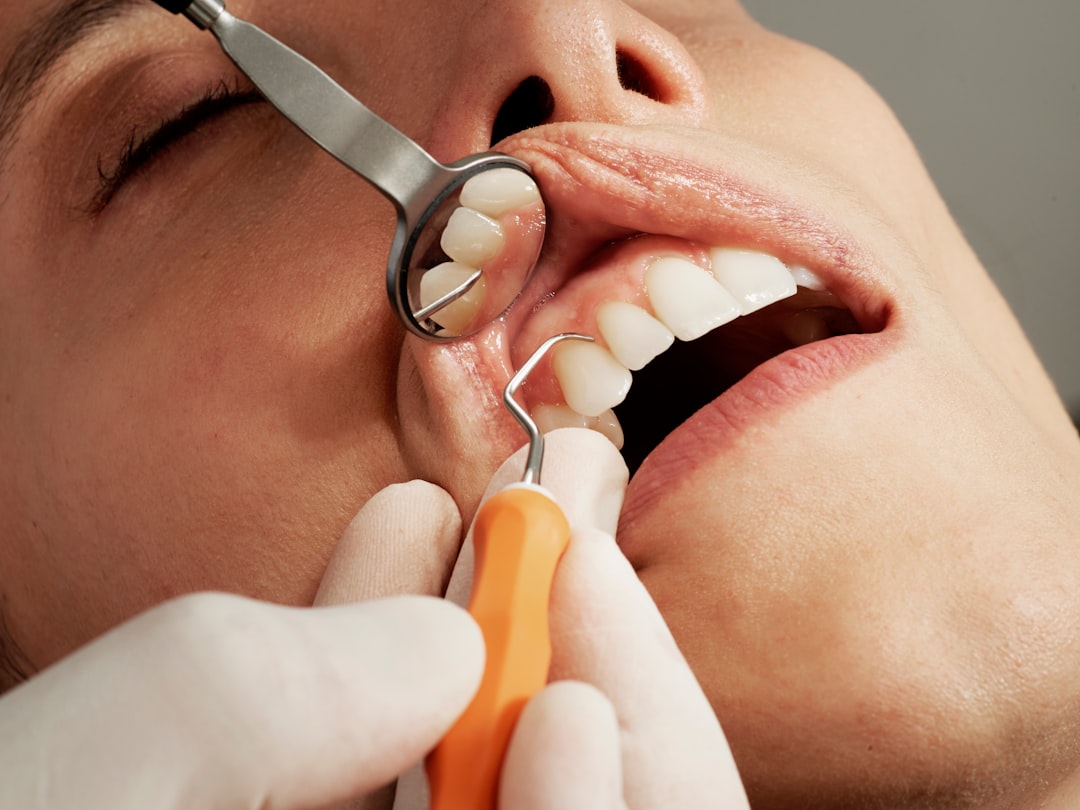
Dental care in South Africa sits in an uncomfortable gap for most people — too expensive to access casually, but serious enough that avoiding it compounds costs over time. A tooth that needs a filling today will need a root canal next year if left untreated. Beyond cost, the quality of dental care varies widely: sterilisation standards, X-ray equipment, and the thoroughness of examination differ meaningfully between practices. Knowing how to assess a dentist before you sit in the chair is how you avoid both overcharging and genuine clinical risk.
This guide covers registration verification, how medical aid dental benefits actually work, what good sterilisation practice looks like, how to understand fee structures, and the signs that a dental practice is worth trusting with your long-term care.
Verify HPCSA Dental Board Registration
Every dentist practising in South Africa must be registered with the HPCSA (Health Professions Council of South Africa) under the Dental Therapy and Oral Hygiene Professions Board or the Medical and Dental Professions Board, depending on their qualification. A dentist (BDS or equivalent) is registered under the Medical and Dental Board. Dental therapists and oral hygienists have their own registration categories and are authorised to perform a more limited scope of procedures.
Registration is publicly searchable on the HPCSA website. Confirm your dentist is currently registered and in good standing. A lapsed or suspended registration means the practitioner is operating illegally — and any work performed, including anaesthetic administration, is done without the legal protections that registration provides for patients.
The South African Dental Association (SADA) is the voluntary professional body for dentists. Membership isn't a legal requirement, but SADA members are bound by a professional code and can be subject to disciplinary processes. For patients, it's an additional layer of accountability worth checking on the SADA member directory.
Dental Benefits on Medical Aid — Reading the Fine Print
Dental benefits on South African medical aid plans are among the most commonly misunderstood. Most plans distinguish between basic dental (check-ups, fillings, extractions — typically paid from risk benefits) and specialised dentistry (crowns, bridges, orthodontics, implants — which may require a separate benefit, may be subject to sub-limits, or may not be covered at all on lower plan tiers).
The critical number is the annual dental limit. A plan that covers R3,500 per year for dental sounds reasonable until you need a root canal and crown, which can cost R8,000–R15,000 at a private dentist. Know your annual benefit limit before agreeing to treatment — ask the practice to pre-authorise treatment with your medical aid if the amount is significant. Pre-authorisation gives you a clear picture of what will be covered and what you'll pay out of pocket before you're committed.
Like GPs, dentists may be in-network or out-of-network for your specific medical aid plan. In-network dentists have agreed to charge at the scheme's negotiated rate, reducing or eliminating the gap payment. Out-of-network dentists bill at their own rates, which can be significantly above scheme tariff — leaving you with a substantial amount to pay even on a good plan. Always confirm network status before booking, not after.
Sterilisation Standards — What to Look For
Dental procedures carry a real infection risk if instruments aren't properly sterilised between patients. Blood and saliva contact make dental instruments potential vectors for hepatitis B, hepatitis C, and in theory HIV if sterilisation protocols aren't followed. The standard in a compliant South African dental practice is autoclave sterilisation for all instruments that enter the mouth.
When you visit a new practice, you can ask to be shown their sterilisation setup or ask directly how instruments are sterilised between patients. A practice that uses an autoclave — a pressurised steam steriliser — and can show you the equipment is meeting the clinical standard. Practices that rely solely on chemical disinfection for intraoral instruments are not meeting current clinical guidelines.
Single-use items should genuinely be single use. Needles, syringes, disposable suction tips, and examination gloves should be opened fresh from sealed packaging in front of you. If you see a dentist reuse a needle or work with gloves that were worn during the previous patient's procedure, that's a reason to end the visit and find a different practice.
Fee Transparency and Getting a Treatment Plan in Writing
Dental fees in South Africa are not government-regulated, and private dental fees vary considerably between practices — sometimes by 100% or more for the same procedure. Practices in high-income areas or with premium equipment naturally charge more, but the range across equivalent quality levels is still wide. Shopping around for a crown or a large filling by getting at least two quotes is entirely reasonable.
Before any treatment beyond a check-up and clean, ask for a written treatment plan with itemised costs per procedure using the standard SADA/Dental tariff codes. This allows you to check what will be covered by your medical aid at scheme tariff and understand the gap precisely. Any practice that resists providing this — or presents a single combined total without itemisation — is making it harder for you to exercise informed consent, which is your right under the National Health Act.
A check-up consultation should include X-rays (the frequency depends on clinical need and previous X-ray history), a full mouth examination, and a professional clean. If a dentist skips the examination and proceeds straight to drilling, or identifies an extensive treatment plan without X-ray confirmation, that warrants a second opinion before you commit to any invasive work.
Assessing the Practice Culture
A good dentist explains what they're doing before they do it and answers questions without making you feel like you're wasting their time. They don't pressure you into immediate decisions on elective treatment — a dentist who says you need a crown immediately without presenting all options, including whether watching and waiting is clinically appropriate, is prioritising throughput over your interests.
For children especially, the practice environment and the dentist's manner matter significantly. A child's first few dental experiences shape their relationship with dental care for decades. Practices that work specifically with paediatric patients typically have staff trained in age-appropriate communication and a waiting room environment designed with children in mind. Ask whether the dentist regularly treats children in the age range you need before bringing a nervous child to a general adult practice.
Quick Checklist Before You Book
- Verify HPCSA registration on the HPCSA website — confirm current good standing
- Check whether the practice is in your medical aid plan's network
- Know your annual dental benefit limit and pre-authorise major treatment
- Ask about their sterilisation method — autoclave is the clinical standard
- Request a written, itemised treatment plan with tariff codes before committing to any significant work
- Check SADA membership on the SADA directory for additional accountability
- Get a second opinion before committing to extensive or expensive treatment
- Ask specifically about paediatric experience if booking for a child
Consistent dental care with a practitioner you trust is genuinely one of the better long-term health investments you can make. KiesSlim lists dentists across South Africa with verified patient reviews — look for specific mentions of how the dentist explained treatment, how fees were communicated, and whether the practice felt clean and professional.