Why Orthodontic Costs Vary So Widely
Orthodontic treatment pricing in South Africa varies significantly between practices, cities, and appliance types. A treatment that costs R25,000 at one practice may cost R55,000 at another for similar complexity and outcome. Understanding what drives the difference helps you evaluate quotes and choose an appropriate level of care without overpaying or compromising on quality.
Types of Orthodontic Appliances and Their Costs
- Traditional metal braces — the most common and cost-effective option. Stainless steel brackets bonded to the teeth with an archwire. Full treatment (18–24 months) typically costs R18,000 to R35,000 depending on complexity and the practice. Some complex cases requiring extractions or jaw surgery may cost more.
- Ceramic (tooth-coloured) braces — similar mechanism to metal braces but less visible. Add R5,000 to R10,000 to the metal brace cost. More prone to staining if dietary instructions are not followed.
- Lingual braces — brackets placed on the inside (tongue-facing) surface of the teeth, completely invisible from the front. R40,000 to R80,000 for full treatment. More complex to adjust; not all orthodontists offer them.
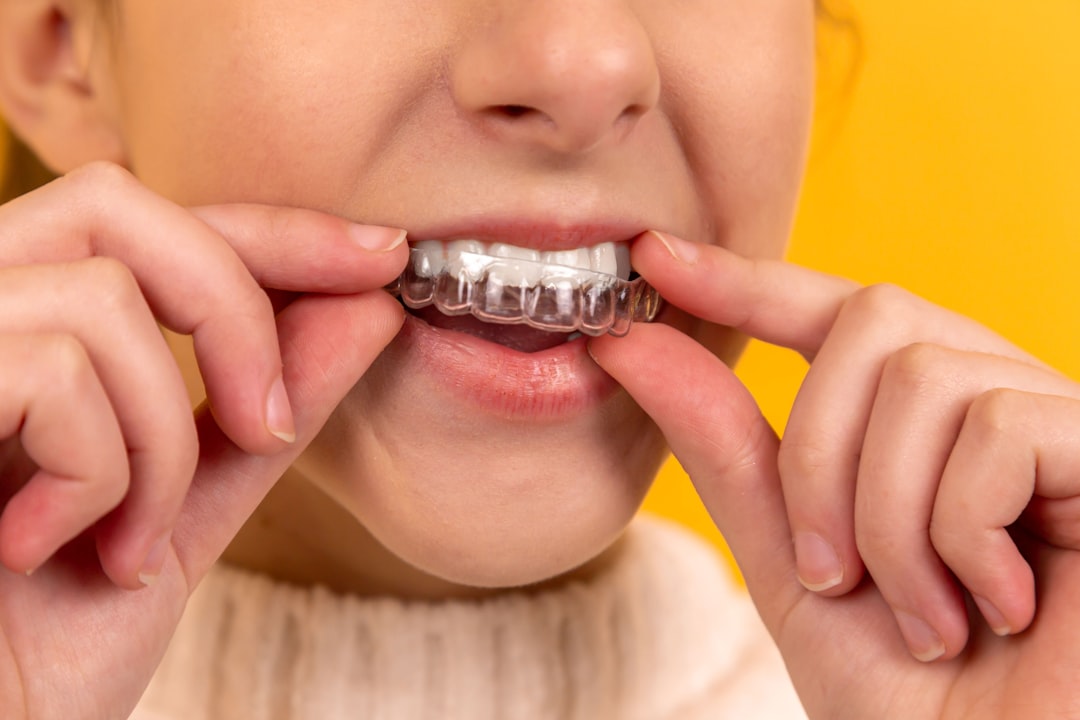
- Clear aligners (Invisalign and similar) — a series of custom-made clear plastic trays that progressively move teeth. Suitable for mild to moderate cases. Invisalign comprehensive treatment: R35,000 to R65,000. Less expensive clear aligner brands: R15,000 to R30,000. Not suitable for complex bite correction or significant tooth movement.
What Determines the Total Cost
- Case complexity — mild crowding is straightforward; significant bite correction, jaw discrepancies, or cases requiring extractions take longer and cost more
- Duration of treatment — most full treatment courses are 18 to 30 months; shorter or longer courses affect cost
- Retainers — essential after active treatment; confirm whether retainers are included in the quoted price or are additional
- Consultation and X-ray fees — many practices charge a separate consultation fee (R500 to R1,500) and require orthodontic X-rays before starting
- Emergency appointments — brackets that come off or wires that break require additional appointments; ask whether these are included
Medical Aid Cover
Most South African medical aid schemes cover orthodontics as a specialist benefit, but sub-limits apply. Common medical aid orthodontic benefits in 2026:
- Hospital plans / basic options — typically no orthodontic benefit
- Mid-range plans — R8,000 to R15,000 lifetime benefit per beneficiary, usually only applicable to functional orthodontics (bite correction) not cosmetic alignment
- Comprehensive plans — R15,000 to R35,000 lifetime benefit
Confirm your specific benefit with your scheme before starting treatment. The scheme rates paid by your medical aid may be significantly less than the orthodontist's fee — the gap is your out-of-pocket cost unless covered by gap cover.
Choosing an Orthodontist
Orthodontists in South Africa are dental specialists who have completed a three-year postgraduate degree after their basic dental degree. A general dentist offering orthodontic treatment has not completed this specialist training. For anything beyond very minor tooth movement, a registered orthodontist is the appropriate provider. Verify registration on the Health Professions Council of South Africa (HPCSA) database.
Get treatment plans from two orthodontists for complex cases — not just to compare price, but to compare approach. Different orthodontists may recommend different treatment plans for the same case, and understanding the rationale helps you make an informed decision.