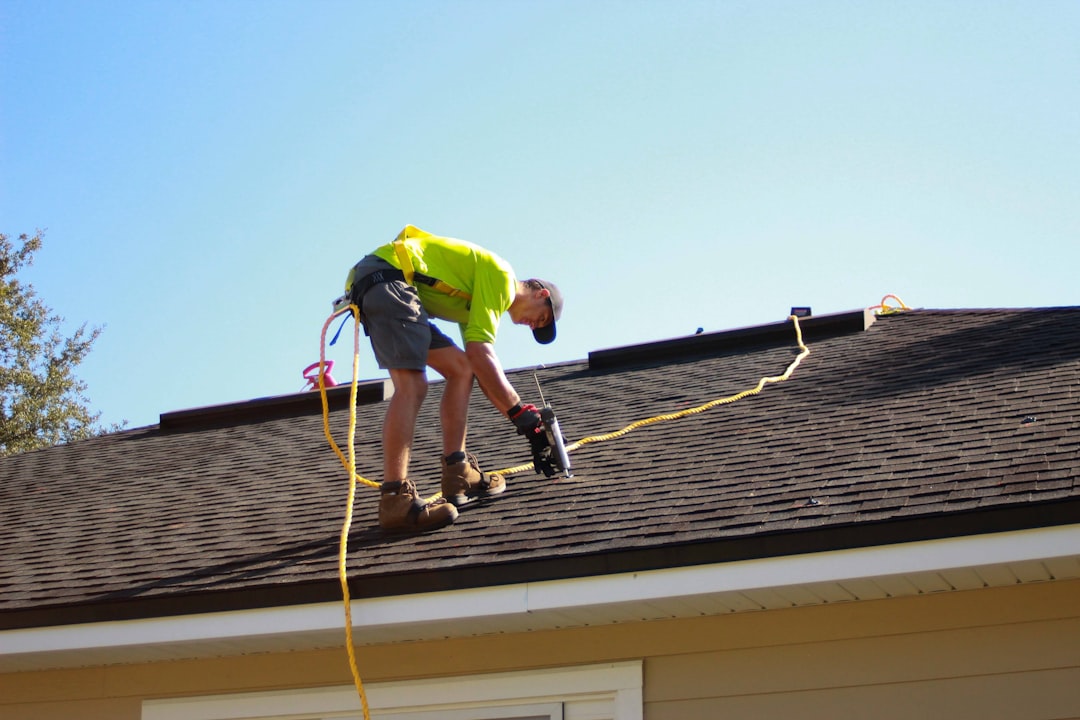
A roof failure is one of the most damaging and expensive problems a South African homeowner can face. Water ingress destroys ceilings, insulation, structural timbers, and electrical systems — and the damage often compounds for months before it's visible. The roofing industry in South Africa has a significant informal sector, and the pattern of a contractor taking a substantial deposit, doing partial work, and disappearing is unfortunately not rare. Roofing quotes for even modest repairs or re-roofing projects run into tens of thousands of rands, so the stakes of choosing poorly are high.
Start with a Proper Roof Assessment
Before accepting any quote, a reputable roofing contractor should conduct a physical roof inspection. For a tile or slate roof, this means getting onto the roof surface, checking for cracked, slipped, or missing tiles, inspecting ridge and hip pointing, checking valley flashings for deterioration, and assessing whether the underlying sarking (underlay) and battens are sound. For a corrugated iron or Chromadek metal roof, the inspection should include checking every fixing point, assessing for rust or corrosion, and inspecting ridge caps and box gutters.
Flat roofs and concrete roofs require a different approach — the waterproofing membrane is the critical component, and its condition can't be assessed without getting onto the surface and checking seams, upstand flashings, and drainage points. A contractor who quotes for flat roof waterproofing without physically inspecting the existing system is guessing at the scope and the price.
After the inspection, ask for a written report or at minimum a verbal explanation of exactly what they found and why they're recommending the specific scope of work. Photographs from the inspection are valuable documentation — ask whether they can share them. A contractor who can't explain what they found during the inspection in concrete terms is a red flag for the quality of their diagnostic work generally.
Material Choices and Their Long-Term Implications
South African roofing uses several dominant materials, each with different cost, lifespan, and maintenance profiles. Concrete roof tiles are the most common on residential properties — durable, with a lifespan of 40–50 years when maintained, but heavy (requiring adequate structural support) and subject to moss and lichen growth in high-rainfall areas that needs periodic treatment. Clay tiles are more expensive but last longer and retain their appearance better.
Chromadek and similar prepainted metal sheeting is increasingly popular for new builds and re-roofing — lighter, faster to install, and well-suited to South Africa's hail-prone regions. The quality of the paint system matters: a 30-micron paint coating has a significantly different lifespan than a 15-micron coating, particularly in UV-intense inland regions. Ask specifically what paint system and coating weight applies to the product being quoted.
For flat roof waterproofing, the main options are torch-applied modified bitumen membranes, liquid-applied polyurethane or acrylic systems, and torch-on systems with a reflective coating. Each has different suitability depending on your climate and the existing substrate. A quality flat roof waterproofing system should last 10–15 years with minimal maintenance. An inferior system begins failing in three to five. Ask for the product specification, the manufacturer's data sheet, and the warranty the manufacturer offers on the installed system.
Warranties and Guarantees — Get Them in Writing
Roofing work should come with two types of warranty: a manufacturer's product warranty on the materials, and a workmanship warranty from the contractor on their installation. These are separate and both matter.
A manufacturer's warranty is typically conditional on installation by an approved or trained applicator — a cheap installation using a product correctly specified can void the warranty entirely if the installer isn't registered with the manufacturer. Ask specifically whether the contractor is an approved applicator for the waterproofing or roofing system they're quoting, and ask them to show you the manufacturer warranty terms for your installation.
The contractor's workmanship warranty should be a minimum of two years for roofing repairs and five years for a full re-roof or flat roof waterproofing. A contractor offering a 12-month workmanship warranty on a full re-roof is telling you something about their confidence in the installation. Get the warranty terms in writing as part of the contract — a verbal warranty promise that isn't documented isn't enforceable.
Payment Structure for a High-Value Trade Job
Roofing is a category where deposit abuse is common because materials are genuinely expensive and contractors need to procure them before work starts. A reasonable deposit is 30–40% of the quoted total, tied specifically to materials procurement. You can ask for proof of material purchase — a supplier invoice — before releasing even the deposit if the amount is significant.
Structure the balance as staged payments: a progress payment when the roof structure or substrate preparation is complete, and a final payment on completion and sign-off. Retain 10% until the work has been inspected after the first significant rain event — that is the real test of a roofing job, and it's the most important inspection you'll do. Never pay the full contract value before weather has tested the installation.
For larger projects, consider asking whether the contractor can provide a performance bond or equivalent security through a reputable surety. This is more common on commercial projects but isn't unreasonable on residential work over R100,000. Any contractor who considers this request insulting rather than professional has communicated something about their confidence in their own execution.
NHBRC and MBSA — What Registration Means Here
For new roof construction as part of a new build, the builder should be NHBRC registered and the project enrolled with the NHBRC warranty scheme. For roofing work on an existing structure — repairs, re-roofing, or waterproofing — NHBRC registration is not mandatory, but Master Builders South Africa (MBSA) membership provides a layer of accountability that informal operators don't have. MBSA members are bound by a code of conduct and subject to a complaints process. Check the MBSA website to verify membership before signing any contract.
Quick Checklist Before You Hire
- Insist on a physical roof inspection before accepting any quote — ask for photos
- Ask the contractor to explain what they found and why they're recommending the specific scope
- Get material specifications in writing — paint system weight, product brand, membrane type
- Confirm the contractor is an approved applicator for any warranted waterproofing system
- Get workmanship warranty terms in writing — minimum 2 years for repairs, 5 years for full systems
- Limit the deposit to 30–40% and tie the final payment to a post-rain inspection
- Check MBSA membership on the MBSA website for an added accountability layer
- Get at least three quotes for any job over R20,000 using an identical written scope
A roofing contractor's reputation on completed work — and critically, how they respond when a leak reappears six months later — is the most useful information you can have before hiring. KiesSlim lists roofing contractors across South Africa with verified customer reviews from homeowners who've been through the experience, including what happened after the job was done.