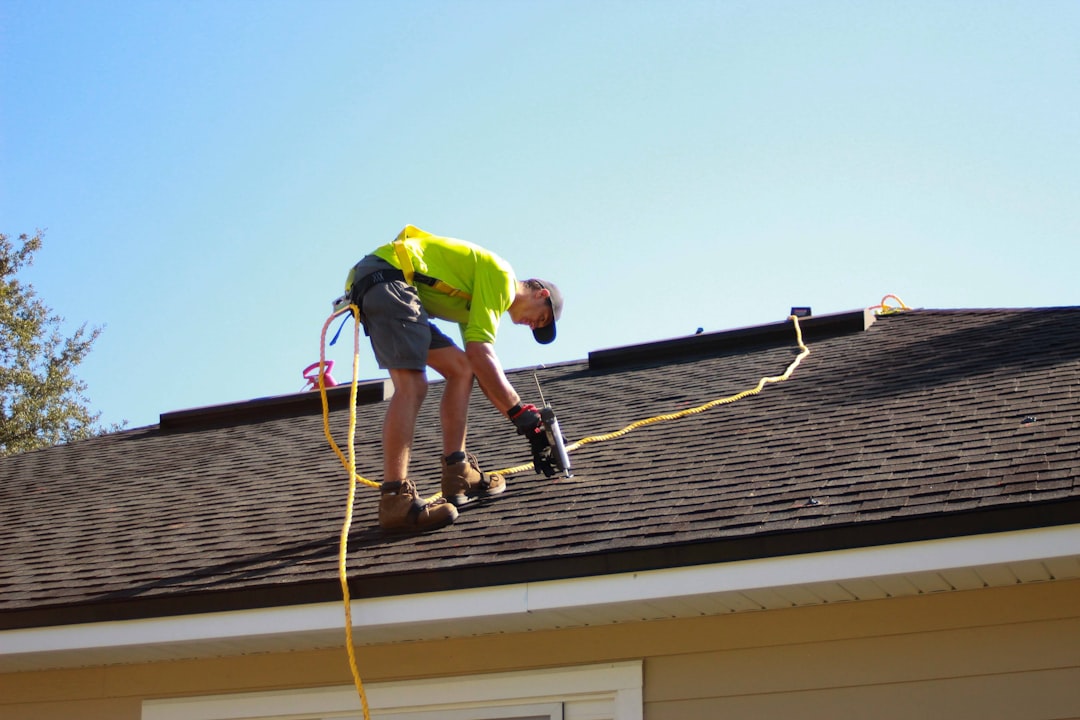
Roofing repair costs in South Africa vary enormously depending on what is wrong, how accessible the repair is, and what materials are required. A missing tile that can be replaced in 30 minutes is a very different proposition from a flat roof that has failed its waterproofing membrane and requires full removal and reinstatement. The absence of price transparency in the roofing market — combined with the urgency of a leaking roof — creates conditions where overcharging is common and difficult to identify without a reference point. This guide provides realistic 2026 price benchmarks for common roofing work so you can evaluate any quote before you accept it.
Minor Roof Repairs — Tile Replacement and Leak Patching
The most common residential roofing repair in South Africa is replacing a small number of broken or displaced tiles and resealing the ridge capping. For a repair involving 5–15 tiles plus repointing of ridge capping: R1,500–R4,000 in 2026, including materials and labour. Individual tile replacement without ridge repointing: R200–R500 per tile in accessible areas, higher for difficult pitch or height situations.
A simple leak repair — identifying the specific entry point and sealing it with flashing, roof sealant, or tile repositioning — should cost R600–R2,000 depending on difficulty of access and the repair method required. A roofer who charges more than R3,000 for a basic single-point leak repair involving no new materials should provide a detailed explanation. A roofer who quotes R500 for a leak repair without actually accessing the roof to identify the source has not done the diagnostic work required to repair the root cause.
Note that temporary leak repairs using roof sealant or bitumen patch products are not permanent solutions — they are appropriate while a proper repair is organised, but they are not a substitute for correctly identifying and fixing the source of the leak.
Ridge and Hip Repointing
Ridge capping — the concrete or mortar-bedded tiles along the apex and hips of a tiled roof — cracks and fails over time as the mortar deteriorates. Failed ridge mortar is one of the most common sources of roof leaks because water enters through the cracks and runs under the tiles. Repointing involves removing old failed mortar, cleaning the area, and applying new mortar or flexible ridge fixing compound.
Ridge repointing costs R120–R250 per linear metre of ridge or hip in 2026. A standard 3-bedroom house with approximately 20–30 linear metres of ridge and hip should cost R2,400–R7,500 for a complete ridge repoint. A quote below R1,500 for a complete ridge repoint on a standard house, or quotes that include no material specification for the mortar product, should prompt questions about whether the correct flexible compound (rather than standard sand-cement mortar, which cracks faster) is being used.
Flat Roof and Waterproofing
Flat roofs in South Africa are typically finished with either a torch-on bitumen membrane, a liquid-applied waterproofing product, or a reinforced acrylic coating system. Each has different longevity, performance in different climate zones, and cost. A flat roof that has failed its waterproofing — typically after 10–15 years for most systems — requires full removal of the failed system and application of a new membrane.
Liquid-applied waterproofing (acrylic or polyurethane) over a sound substrate: R120–R250 per square metre in 2026. Torch-on bitumen membrane (new layer over existing): R200–R350 per square metre. Full system removal and new torch-on membrane: R350–R600 per square metre including removal, new membrane, and sealing of penetrations and perimeters. A standard flat roof garage or carport of 40 square metres should cost R8,000–R24,000 for a full waterproofing system replacement.
Waterproofing warranties from reputable contractors are typically 5–10 years for torch-on systems and 3–5 years for liquid-applied systems. Any waterproofing contractor who does not offer a written warranty should be treated with caution — the warranty is the primary commitment that the product and installation will perform as claimed.
Sheeting and IBR Roof Repairs
Steel IBR or corrugated sheeting roofs are common on garages, industrial buildings, and some residential properties. Common failure points include: corroded or loose fasteners (tek screws or roofing nails) that allow water ingress at the fixing point; sheets that have been damaged by hail or falling objects; and ridge and flashing failures at wall junctions or penetrations.
Replacing a damaged section of IBR sheeting (up to 3 sheets including flashing around the repair): R1,500–R4,000 in 2026. Replacing a full steel IBR roof on a standard 3-bedroom house (approximately 150–200 square metres): R35,000–R80,000 depending on the access difficulty, height, sheet profile specified, and whether purlins require treatment or replacement. A quote at the low end of this range for a full re-roof should specify exactly what sheeting gauge (0.4mm vs 0.6mm IBR makes a significant durability difference) and whether the quote includes new ridge caps, barge boards, and flashings.
When to Be Concerned About a Quote
- A roofer who quotes without physically accessing the roof — accurate diagnosis requires being on the roof
- A leak repair quote that does not identify the specific source of the leak before quoting the repair
- Ridge repointing quoted without specifying whether flexible compound or standard mortar will be used
- A waterproofing quote with no written warranty or a warranty shorter than three years
- A full re-roof quote that does not specify the sheeting gauge, ridge profile, or flashing materials
- Storm-chaser contractors arriving unsolicited after rain events — see the Red Flags guide for roofing contractors
Quick Checklist Before You Accept a Quote
- Confirmed the roofer physically accessed and inspected the roof before quoting
- Received a quote specifying materials by product — not just "tiles" or "waterproofing"
- For waterproofing: confirmed the warranty period and its terms in writing
- For sheeting: confirmed the gauge and profile of material to be installed
- Deposit agreed at 30% maximum — balance on satisfactory completion
- Compared at least two quotes with the same defined scope and materials specification
- Asked for references from roofs repaired at least 12 months ago — to confirm the repair held through a rainy season
- Read reviews from homeowners who can confirm the repair lasted after rain
For roofing specifically, the most valuable reviews are those written after the first rainy season post-repair. KiesSlim lists roofing contractors across South Africa with verified homeowner reviews — check what others paid and experienced before you commit to any roofing work.