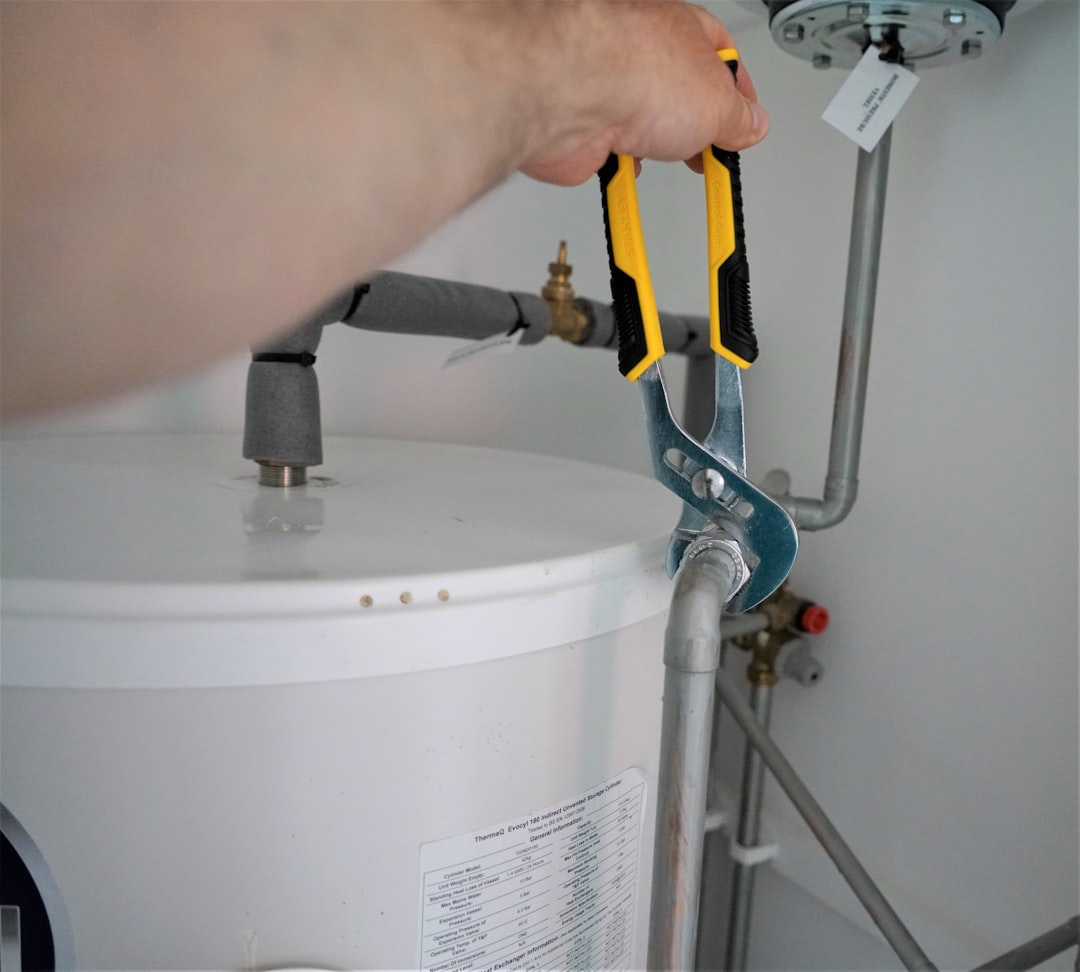
Plumbing is one of those trades where the price variance between quotes is enormous and the quality difference between a good plumber and a bad one is often invisible until months later when the "fixed" leak reappears or the badly soldered joint fails inside a wall. Understanding what plumbing repairs should realistically cost in South Africa gives you two things: the confidence to question an inflated quote, and the scepticism to worry about one that is suspiciously cheap. Both extremes carry risk.
This guide covers realistic price benchmarks for the most common residential plumbing jobs in South Africa in 2026, the factors that make quotes vary, and the compliance requirements that matter before you authorise any significant plumbing work.
How Plumbers Charge in South Africa
Most plumbers charge a callout fee plus an hourly rate, or a fixed rate for defined standard jobs. Callout fees typically range from R350–R800 depending on the area and whether it is a standard working-hours call or an emergency. After-hours, weekend, and public holiday callouts typically cost 1.5x to 2x the standard rate.
Hourly rates for a qualified plumber in major metros: R350–R600 per hour. Labour for straightforward jobs is often billed in minimum increments — a one-hour minimum is standard even if the actual repair takes 30 minutes. For defined jobs (fitting a tap, replacing a valve, clearing a drain), flat-rate pricing is more common and easier to compare between quotes.
Materials are charged separately in most quotes. Ask whether the quote includes materials and labour together, or whether materials will be billed at actual cost on completion. An open-ended "materials at cost" arrangement can produce surprises — get a materials estimate upfront even if the final amount varies slightly.
Common Jobs and Price Ranges
Dripping tap or leaking tap repair (replacing a washer, cartridge, or ceramic disc): R400–R900 for a single tap depending on the tap type. Mixer taps and designer taps are more complex and may cost R700–R1,500 for parts and labour. Replacing an entire tap: R800–R2,000 including the new tap fixture (mid-range quality) and fitting.
Blocked drain clearing: R500–R1,500 for a standard blocked sink or bath drain that can be cleared manually or with a hand snake. Blocked sewer lines requiring a plumber's electric snake or hydro-jetting: R1,200–R3,500 depending on access and the extent of the blockage. CCTV drain inspection (to identify the location and cause of a recurring blockage): R1,500–R3,000.
Burst or leaking pipe repair: R800–R2,500 for an accessible pipe that requires a section to be replaced. Pipes hidden inside walls or under screed (concealed pipes) cost significantly more — the pipe repair itself may be R1,000–R2,000, but the associated breaking out and making good of walls or floors can add R2,000–R8,000 to the job. Get a full quote including reinstatement of surfaces before authorising work on concealed pipes.
Geyser replacement: R3,500–R8,000 including the new geyser (150-litre or 200-litre), labour, the pressure-reducing valve, and the required Certificate of Compliance. The geyser unit itself accounts for R2,500–R5,500 of this cost depending on the brand and size. Replacing a geyser without obtaining a COC is non-compliant — the COC is required by law whenever a geyser is replaced.
Geyser Faults — Repair vs. Replace
A geyser presenting with a specific fault may be repairable at lower cost than replacement. Common repairable faults and their costs: thermostat replacement (R600–R1,200 parts and labour); element replacement (R800–R1,800); pressure-reducing valve replacement (R500–R900); drip tray and overflow pipe inspection and repair (R500–R1,000). A geyser that is older than 10–12 years or has already required repairs twice is worth replacing rather than repairing again — the tank itself can fail internally, and a repair only fixes the presenting symptom.
When a plumber recommends replacement rather than repair, ask: How old is the geyser? Is the tank visibly corroding? Is the repair likely to resolve the problem permanently? A plumber who recommends replacement for a four-year-old geyser with a straightforward thermostat fault is likely upselling. A plumber who recommends replacement for a twelve-year-old geyser that has already been repaired twice is giving you sound advice.
Compliance Requirements for Plumbing Work
The National Building Regulations require that plumbing work on water supply and drainage systems be carried out by a registered plumber and certified with a Certificate of Compliance. In South Africa, plumbers must be registered with the Institute of Plumbing South Africa (IOPSA) or an equivalent body, and registered as a competent person with the local municipality for compliance certification purposes.
A Certificate of Compliance is legally required for: geyser installation or replacement; any new water connection or significant modification to a water supply system; and any new drainage or sewer installation. You will need the COC when selling your property — an illegal installation discovered at sale can delay or complicate the transaction. Ask every plumber before they start significant work: Will you issue a Certificate of Compliance for this job?
A plumber who says "I do not do COCs" or "a COC is not required for this" for a geyser replacement or new installation is not compliant. This is a risk flag — if the work is not certified, you have no recourse if it fails and causes damage, and your insurer may deny a related claim.
Emergency Plumbing — What to Expect to Pay
Emergency plumbing (burst pipes, severe leaks, geyser failure causing ceiling damage) is significantly more expensive than planned work. After-hours callout rates of R600–R1,200 for the callout alone are standard. Hourly rates after hours: R500–R900. A geyser that bursts at midnight, floods a ceiling, and needs to be replaced involves not just plumbing but possibly ceiling repairs, carpet drying, and geyser replacement — budget R8,000–R20,000+ for a severe event including all downstream damage.
If you have home insurance, contact your insurer as soon as a geyser bursts or a burst pipe causes significant damage. Most home contents and building insurance policies cover geyser failure and resultant water damage — the claim process should involve an approved contractor, not simply whoever you call first. Check your policy for the emergency contact number before you need it.
Quick Checklist Before Hiring a Plumber
- Confirm IOPSA registration or equivalent for any significant work
- Ask upfront whether a Certificate of Compliance is included for geyser or installation work
- Get at least two written quotes for non-emergency jobs
- Ask whether materials are included in the quote or billed separately
- For concealed pipe repairs: get a full quote including reinstatement of surfaces before authorising work
- For geyser faults: ask whether repair is viable before agreeing to replacement
- For emergencies: check whether your home insurance covers geyser failure and has an approved contractor process
- Read reviews that specifically mention work quality — particularly whether repairs held over time
Plumbing is one of those trades where cutting costs on the repair costs more in the long run — a poorly repaired pipe that fails inside a wall causes far more damage than the original repair would have cost done correctly. Read reviews on KiesSlim before hiring a plumber, and pay particular attention to whether reviewers mention the repair lasting and whether the plumber was transparent about costs upfront.