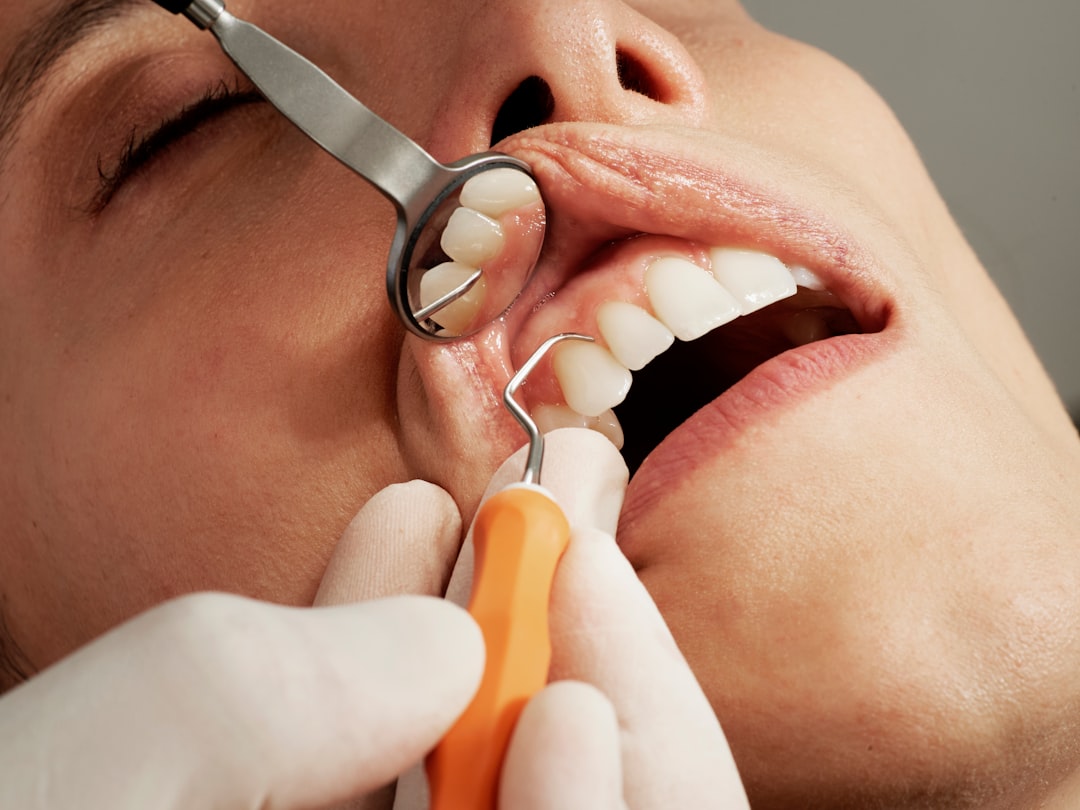
Dental care in South Africa is one of the most delayed forms of healthcare — and the consequences are well documented. Minor cavities become root canals. Untreated gum disease leads to bone loss. Impacted wisdom teeth managed conservatively for years eventually require surgical extraction. The cost trajectory in dentistry is almost always upward: the longer a problem is left, the more expensive the treatment. Yet many South Africans avoid routine check-ups because they do not know what they should cost, whether their medical aid will cover them, or whether they are being treated to appropriate clinical standards. This guide addresses all of those questions.
This guide covers what a routine dental check-up and professional teeth cleaning realistically costs in South Africa in 2026, how medical aid dental benefits work in practice, what a thorough examination should include, and where the gaps between expected and actual costs most commonly appear.
What a Routine Dental Check-up Costs
A routine dental check-up (comprehensive examination) in South Africa is billed using NRPL (National Reference Price List) codes. The NRPL is published by the Board of Healthcare Funders and represents the standard tariffs at which most medical aids reimburse dental procedures. Private practices may charge above NRPL — the difference is your out-of-pocket co-payment.
NRPL tariff for a comprehensive dental examination (code 8101): approximately R280–R380 at 2026 rates. This is what most medical aids reimburse. Private dental practices typically charge R400–R900 for a comprehensive examination.
The difference between the NRPL tariff and the practice charge is the gap you pay. A practice charging 200% of NRPL means you pay the full amount if your medical aid reimburses at 100% of NRPL and you have benefits available — but you still get a bill for double the NRPL rate if your benefit is exhausted.
Self-pay check-up costs (no medical aid): R350–R800 at most private dental practices in South Africa's major cities, with significant variation by area and practice positioning. CBD and township-adjacent practices tend to charge at or near NRPL. Upmarket suburban practices in Sandton, Camps Bay, or Umhlanga charge at the upper end or beyond.
Professional Teeth Cleaning (Scale and Polish)
A professional scale and polish (NRPL code 8162 for supragingival scaling, 8163 for subgingival scaling where gum disease is present) involves removing calculus (tartar) and plaque from tooth surfaces and polishing the enamel. This is distinct from a cosmetic teeth whitening procedure.
NRPL tariff for a standard scale and polish: R350–R500 combined for both codes at 2026 rates. Private practice charges: R500–R1,200.
Patients with active gum disease (periodontitis) may require subgingival scaling — cleaning below the gum line — which takes longer and may be done in multiple appointments. This is a clinical necessity for managing active periodontal disease, not an upsell.
How often you need a professional clean depends on your individual calculus formation rate and gum health. The standard recommendation is every 6–12 months for most patients. Patients with active gum disease or high calculus formation may need every 3–4 months.
How Medical Aid Dental Benefits Work
Most South African medical aid schemes provide a dental benefit, but the structure varies significantly between schemes and benefit options.
PMB (Prescribed Minimum Benefit) dental cover: Only emergency dental procedures are classified as PMBs — extraction of a tooth causing pain is an example. Routine check-ups and preventive care are not PMBs, meaning they are covered at scheme discretion, not mandatorily.
Savings account vs risk benefit: On many medical aid plans, routine dental is paid from your personal medical savings account (PMSA) rather than from the risk pool. This means you are effectively paying for it yourself from your annual contribution — there is no shared risk component. The value proposition changes when you understand this structure.
Annual dental limit: Most plans have an annual dental benefit cap. Common limits range from R2,000 to R8,000 per beneficiary per year depending on the plan. This covers routine check-ups, scale and polish, basic fillings, and possibly a single X-ray series. Major dental work (crowns, implants, orthodontics) typically requires a separate benefit or is subject to significant co-payments.
Network dentists: Some schemes (particularly hospital plans and network plans from Discovery, Bonitas, Medihelp) require you to use a network dentist to access reimbursement at the full scheme rate. Using a non-network dentist on a network plan results in lower reimbursement or no reimbursement at all. Check your plan's network requirements before booking.
What a Thorough Dental Examination Should Include
A comprehensive dental examination is more than a quick look in the mouth. A thorough initial examination covers:
Oral cancer screening: Visual and tactile examination of all soft tissue — tongue, cheeks, floor of mouth, palate, and throat — for suspicious lesions. South Africa has a relatively high rate of oral cancer linked to tobacco use and HPV. This should be routine, not an optional add-on.
Periodontal assessment: Probing of gum pockets around each tooth to identify early gum disease. Normal pocket depths are 1–3mm; depths of 4mm and above indicate the beginnings of periodontal disease. This assessment tells you whether you need a standard clean or active periodontal treatment.
Dental X-rays: Not required at every appointment, but bitewing X-rays every 12–24 months detect decay between teeth, under fillings, and bone levels that are invisible on visual examination. A dentist who never recommends X-rays, or who recommends them every single visit, is at opposite ends of what is appropriate. Periapical X-rays are taken for specific teeth with symptoms. A full-mouth series (FMX or OPG) is relevant for new patients with no prior records or for complex treatment planning.
Occlusion assessment: How your teeth bite together affects jaw joint health, wear patterns, and the longevity of any restorative work. Mentioning teeth grinding or clenching (bruxism) to your dentist at the first appointment is relevant to treatment planning.
A check-up that ends with "you are fine, see you in a year" without a periodontal assessment is not a comprehensive examination — it is a cursory visual inspection. Ask what was assessed if you are unsure.
Common Additional Costs to Anticipate
A check-up may identify work that needs to be done. Realistic cost ranges for common procedures in 2026:
- Composite (tooth-coloured) filling: R700–R1,800 per tooth, depending on size and surface involved
- Amalgam filling (silver): R500–R1,200 (less common in private practice now but still used)
- Single tooth X-ray (periapical): R200–R400
- Bitewing X-rays (2 films): R400–R700
- OPG (panoramic X-ray): R600–R1,200
- Tooth extraction (simple): R600–R1,200
- Surgical extraction (impacted wisdom tooth): R2,500–R6,000
- Root canal treatment (single root): R3,500–R6,500; multi-root (molar): R5,000–R10,000
- Porcelain crown: R6,000–R14,000 per tooth
Quick Checklist Before Your Appointment
- Check whether the practice is on your medical aid's network — this affects reimbursement rates
- Ask the receptionist what the practice charges for a check-up and whether it is at NRPL or above
- Bring your medical aid card and know your remaining dental benefit for the year
- Ask whether the examination includes a periodontal assessment and oral cancer screening
- Ask about X-ray recommendations — understand the clinical reason before agreeing to any radiograph
- Request a written treatment plan with costs before agreeing to any additional procedures
- Ask what your out-of-pocket cost will be after medical aid reimbursement before the appointment concludes
A dentist who takes the time to explain your oral health status, what they found, what they recommend, and why is a dentist worth keeping. The relationship you build with a good dentist over years is genuinely protective — they know your baseline and can detect changes early. Patient reviews on KiesSlim for dental practices in your area give you insight into clinical thoroughness, communication, and fair pricing that a website profile cannot.